Soccer is a world of passion, and the roles of manager and coach are vital yet distinct. While many assume these titles are interchangeable, each carries its own unique philosophy and responsibility.
In Europe, a manager is more than a tactician. They often oversee transfers, contracts, and strategic planning, blending on-field tactics with executive decisions that shape the club’s future.
Across continents, the American model leans toward a head coach focused solely on training and match strategy, with a sporting director handling transfers. These differences influence club identity and success.
Who pulls the strings: Inside club structures
In most European clubs, especially in the UK, the term manager often refers to the person who oversees not just training, but also transfers, contracts and long-term squad building. Clubs like Manchester United and Arsenal have historically given managers such broad authority.
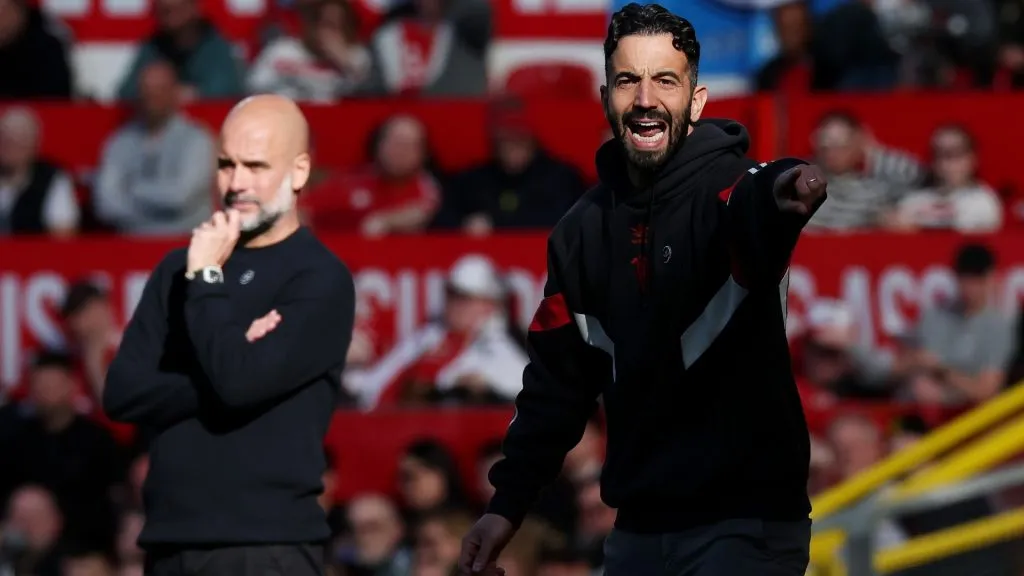
Ruben Amorim, Manager of Manchester United, gestures as Pep Guardiola, Manager of Manchester City, looks on during the Premier League match in 2025. (Source: Michael Steele/Getty Images)
In contrast, many American and continental European clubs use the head coach model. Here, the coach focuses mainly on tactics and player development, while a sporting director or general manager handles recruitment and budgeting.
Duties on and off the pitch: Who does what?
The manager’s job in English soccer is akin to being both the captain and the strategist of a ship, charting courses that affect every aspect of the club’s operations. They set the training regime, decide on match tactics and often have the final say in team selection.
Meanwhile, in environments where the head coach model prevails, the coach’s responsibilities center on day-to-day training and tactical setups, leaving broader strategic decisions to an upper management team.
This split is especially evident in leagues with strict salary caps and structured transfer policies, highlighting a clear delineation between on-field execution and off-field administration, as Give Me Sport reported.
U.S. vs. Europe
The differences between the U.S. and European models are stark yet fascinating. In the MLS and other American competitions, the head coach is tasked with preparing the team tactically, while a general manager or sporting director handles recruitment and broader club strategies.
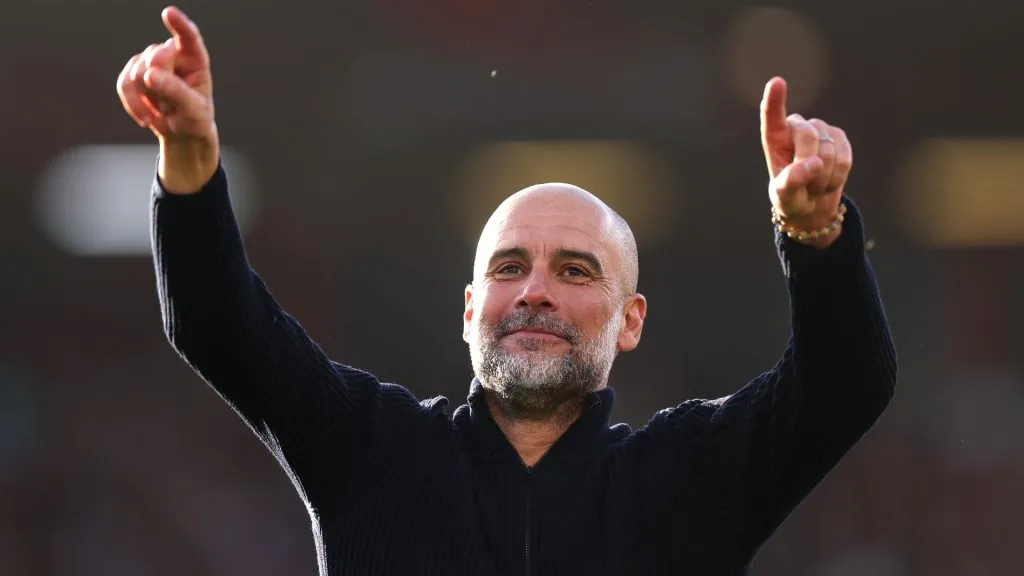
Pep Guardiola, Manager of Manchester City celebrates with the fans during the Emirates FA Cup Quarter Final match between AFC Bournemouth and Manchester City on March 30, 2025. (Source: Alex Pantling/Getty Images)
Conversely, European clubs, notably in the Premier League, often vest extensive authority in the manager, allowing them to influence everything from youth development to high-profile transfers.
This structural divergence not only reflects differing cultural approaches to the sport but also affects the competitive dynamics and success metrics of clubs on both sides of the Atlantic, according to Goal.
Famous examples
When exploring famous examples, figures like Pep Guardiola and Diego Simeone illustrate how blurred the lines can be between manager and coach. Guardiola, though titled head coach at Manchester City, exerts considerable influence over transfers and club strategy, benefiting from a supportive board.
Diego Simeone, celebrated for his intense leadership at Atlético Madrid, epitomizes the modern manager by combining tactical discipline with long-term institutional influence.
These leaders, who are among the highest-paid, highlight how the success of a club often hinges on the seamless integration of both on-field coaching and off-field management—a balance that many clubs strive to perfect.