The opening ceremony of the FIFA World Cup has become one of the most globally watched entertainment stages in sports, featuring a rotating lineup of international superstars that blends music, culture and soccer.
According to FIFA’s official archives and historical coverage of World Cup ceremonies, these performances have consistently been part of a broader strategy to merge global pop culture with the opening night energy.
Looking ahead, the 2026 edition is already being positioned as the most entertainment-heavy World Cup yet, with reports confirming additional global acts being integrated into both opening and halftime programming.
Which artists performed at FIFA World Cup opening ceremonies by year?
FIFA World Cup opening ceremonies have featured a rotating mix of global superstars and cultural performers, with each edition reflecting the growing shift from traditional ceremonies to large-scale entertainment shows.
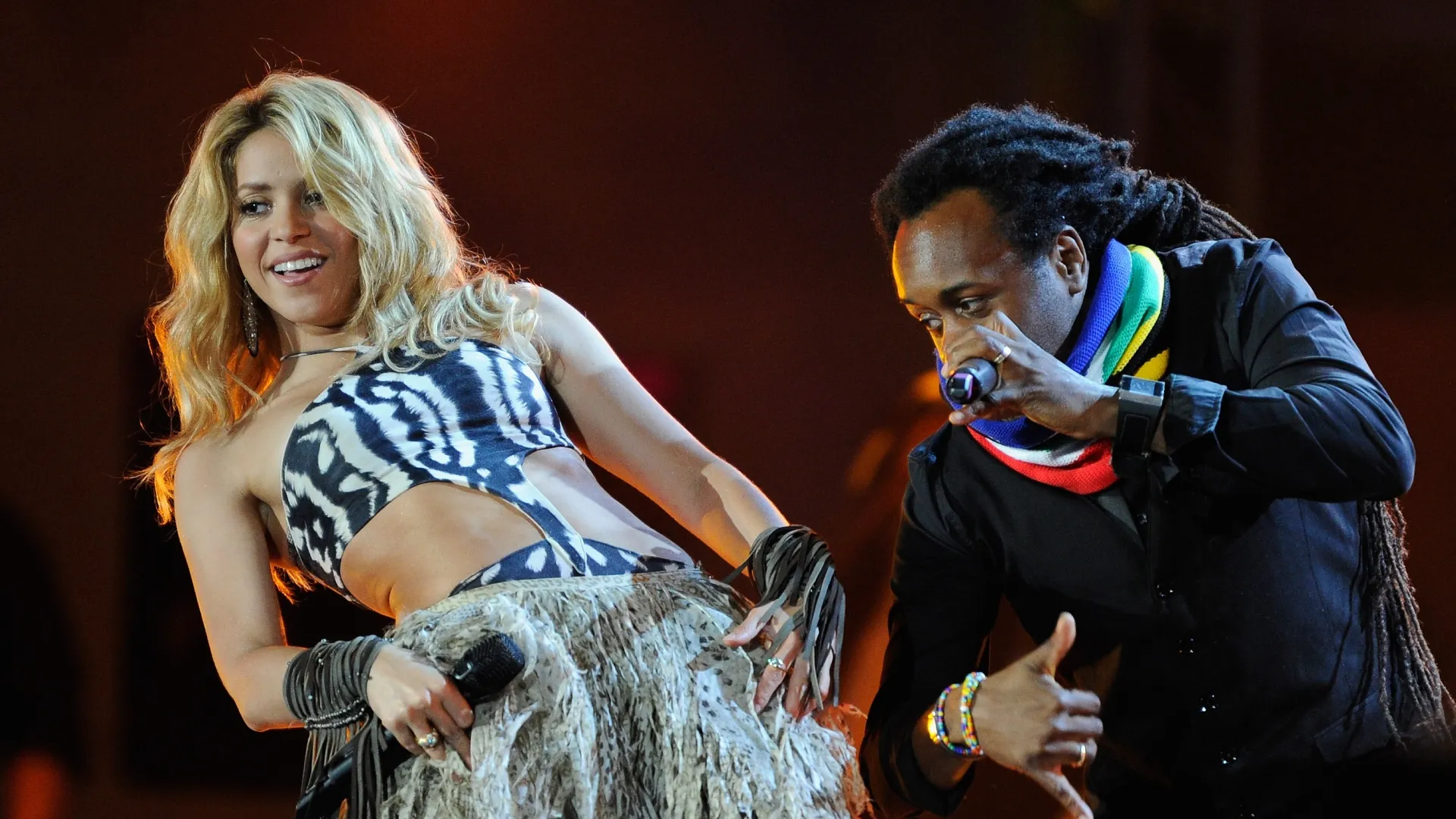
Shakira performs a song during the kick-off celebration concert for the 2010 FIFA World Cup (Source: Stuart Franklin/Getty Images)
In 1998, the modern era of World Cup music truly began with Ricky Martin, whose performance of “The Cup of Life” became one of the most iconic anthems ever created. The trend continued to evolve in 2002 and 2006.
- 1978 (Argentina): Cultural performances and traditional ceremony elements, no major global pop headliner.
- 1982 (Spain): Large-scale choreographed performances by local artists and school groups.
- 1986 (Mexico): Cultural showcase at Estadio Azteca, focused on national heritage.
- 1990 (Italy): Classical music highlight featuring the world-famous Three Tenors (Pavarotti, Domingo, Carreras), one of the most iconic artistic moments in World Cup history.
- 1994 (USA): Featured major music stars including Diana Ross and later closing ceremony performances by Whitney Houston, marking the beginning of modern entertainment-style World Cups.
- 1998 (France): Ricky Martin performed “The Cup of Life”, becoming the first global pop anthem of the modern World Cup era.
- 2002 (South Korea/Japan): Mix of international and regional performers, with a stronger focus on cultural fusion rather than a single global headliner.
- 2006 (Germany): Orchestral and stadium-based performances with limited pop-star focus compared to later editions.
- 2010 (South Africa): Massive lineup including Shakira, Hugh Masekela and multiple African and international artists, marking a turning point in global music integration.
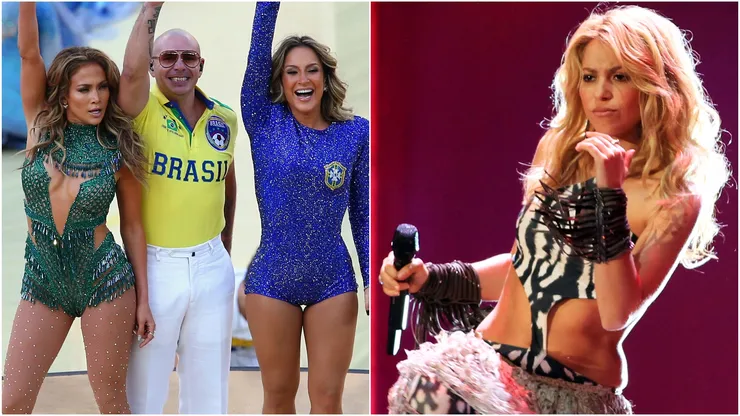
- 2014 (Brazil): Featured Jennifer Lopez, Pitbull and Claudia Leitte, performing the official anthem “We Are One (Ole Ola)”.
- 2018 (Russia): Included Robbie Williams and Aida Garifullina, blending pop and classical performance styles.
- 2022 (Qatar): Featured Morgan Freeman (narration) and BTS member Jungkook, who performed “Dreamers”, alongside Qatari cultural artists.
Who was the most iconic performer in World Cup history?
Shakira is widely regarded as the most iconic World Cup performer in history due to the global cultural impact of her 2010 anthem “Waka Waka (This Time for Africa)”. Her performance during the World Cup in South Africa was iconic.
The song became a worldwide phenomenon, accumulating billions of streams and remaining permanently linked to World Cup identity across generations. However, other performers have also left a lasting legacy.
Ricky Martin’s “The Cup of Life” (1998) helped establish the modern World Cup anthem formula, while Jennifer Lopez and Pitbull (2014) represented FIFA’s push toward mainstream global pop collaborations.