Mexico co-hosts the 2026 World Cup with one clear goal in sight: to make history at home by achieving a historic result. The nation aims to construct an unforgettable run and advance to at least the semifinals in this expanded edition. Doing so would shatter historical ceilings and establish a new landmark era for Mexican soccer.
Historically, Mexico has reached the quarterfinals only twice in its World Cup history—in 1970 and 1986, and those remain its best finishes to date. Crucially, both of those legendary campaigns took place on home soil, proving that the energy of local crowds plays a massive role in the team’s success. Outside its own borders, El Tricolor has traditionally struggled to break past the first knockout stage, showing a stark contrast in performance.
Before the disappointing group-stage exit at Qatar 2022, Mexico had reached the Round of 16 in seven consecutive tournaments, establishing a baseline of consistency but failing to progress further. Now, playing in front of its passionate fans across familiar stadiums, including a renovated Estadio Azteca, the team will try to bounce back from recent failures. The pressure is immense, but the opportunity to redefine Mexican soccer history has never been greater.
A new path for the elusive fifth game
For decades, playing in the elusive “fifth game” has been the ultimate obsession for Mexican soccer fans and media alike. It represents the psychological barrier that has kept the nation just outside the elite tier of global soccer powerhouses. However, the expansion to a 48-team format has completely altered the math and the meaning behind this traditional milestone.

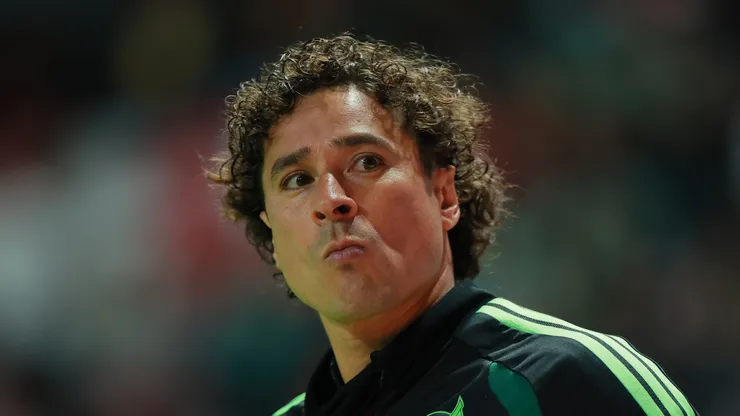
Javier Aguirre, manager of Mexico
The tournament now features a Round of 32 immediately following the group stage, which adds an extra single-elimination match to the gauntlet. This means that if Mexico advances from its group and wins its first knockout match, it will secure its coveted fifth game in the Round of 16. In past tournaments, playing a fifth match automatically meant a quarterfinal appearance, but the new bracket shifts that reward.

Because of this structural change, supporters are careful not to mix up the competitive benchmarks as the tournament kicks off. Whiing the fifth game remains a deeply symbolic hurdle for the culture, it no longer carries the same sporting weight it once did. The true competitive objective for the coaching staff and squad has shifted further down the bracket.
Setting sights on the Quarterfinals and beyond
To truly match the achievements of 1970 and 1986, Mexico must now target the quarterfinals, which requires playing a sixth match in this expanded format. The expanded field means the path is longer and arguably more unpredictable, requiring deep roster rotation and immense tactical flexibility. Supporters recognize this reality, focusing their true expectations on reaching the final eight teams.
If El Tricolor can navigate this newly designed knockout phase and reach the quarterfinals, the dream of an unprecedented semifinal appearance will be fully alive. With home-field advantage lasting throughout the early stages, the squad has a unique setup to make history. The journey begins now, and the entire nation is waiting to see if this generation can finally shatter the glass ceiling.