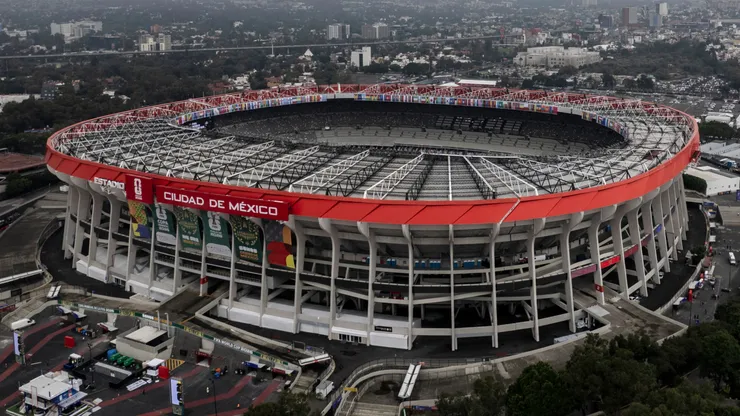
The iconic Estadio Azteca, temporarily rebranded as Mexico City Stadium for the 2026 FIFA World Cup, has undergone a series of extensive modernizations to elevate the matchday experience. Mexico, who will face another inaugural match in their history, have worked tirelessly to meet the strict standards of international soccer ever since FIFA originally awarded the tournament hosting rights to the North American co-hosts back in 2018.
Although the tournament was secured nearly a decade ago, the physical transformation of the legendary venue did not officially begin until 2024. The delay initially sparked immense curiosity among local and international fans, who wondered how the historic colossus would adapt to modern demands without losing its distinct soul.
The hosts originally envisioned a sweeping redevelopment plan that would completely reshape the surrounding urban landscape. However, organizers ultimately shifted their focus directly toward modernizing the interior bowl and optimizing the immediate structural amenities to prioritize fluid matchday logistics.
Full details of the historic renovations
To accommodate the massive influx of global supporters, all the stadium seats were changed, removing previous logos, to adapt to FIFA regulations and adjust the capacity to around 87,000 spectators. These main changes include the total replacement of seats for a capacity of 87,000 spectators, a state-of-the-art hybrid playing field, more than 20,000 square feet of LED screens, and new VIP zones and access areas.
Se pone la piel chinita… 🏟️
— Charlie P (@CharliePM10) June 8, 2026
Todo listo 🙌🏻
Así luce el Estadio Azteca… a solo 3 días de la gran inauguración #FIFA26
México 🇲🇽 v Sudáfrica 🇿🇦 pic.twitter.com/gFOCV3OQXU
The playing surface itself received an elite upgrade to ensure flawless performance under intense global scrutiny. A pitch with next-generation hybrid technology was installed, accompanied by a deep drainage system and underground thermal control to withstand heavy tournament usage and unpredictable weather.

Regarding the connectivity and technology, over 21,500 square feet of high-performance LED screens were integrated, along with a surround audio system. A new LED lighting system was installed that meets strict standards for 4K and 8K broadcasts, which operates alongside a newly deployed cashless payment network, 270 security cameras, and a stadium-wide Wi-Fi system that has occasionally drawn minor connectivity complaints from fans in the upper stands.
Scaling back the astonishing initial project
Logistical flow inside the complex saw a massive overhaul as the access routes for the press, players, authorities, and fans were completely segregated to avoid overcrowding. Additionally, the main concourse now features a vibrant new zone packed with diverse restaurants, official merchandise stands, and various food and beverage vendors to keep crowds entertained before kickoff.
These interior focus areas became necessary after the original, astonishing blueprint faced heavy local pushback from the surrounding community. Mexico had initially proposed to expand the stadium environs to build a four-story shopping mall and a seven-story hotel, but resistance from neighbors who faced potential eviction forced organizers to abandon those plans and concentrate strictly on the stadium’s internal aesthetics.