
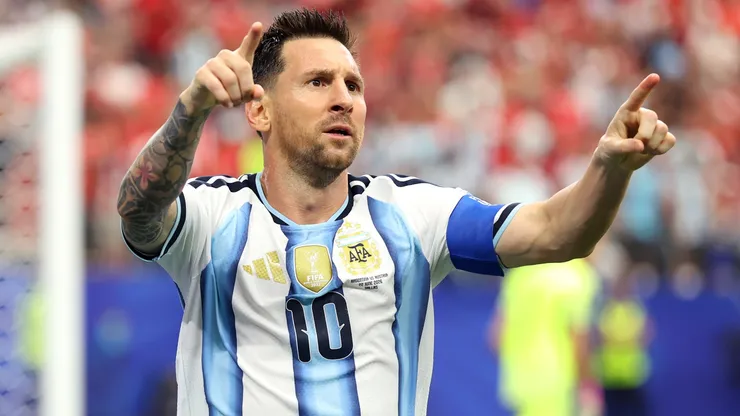
The expanded 2026 FIFA World Cup has introduced a new layer of drama to the group stage. With 48 teams divided into 12 groups of four, finishing in the top two is no longer the only path to the knockout rounds.
For the first time in World Cup history, eight of the 12 third-place teams will also advance, creating a high-stakes race that stretches across every group and keeps more nations alive until the final matchday.
Once all group matches are completed, FIFA will rank the 12 third-place finishers in a separate standings table. The teams will be ordered primarily by points earned, followed by goal difference and goals scored.
How are the eight best third-place teams decided at the 2026 World Cup?
The eight best third-place teams are determined by ranking all 12 third-place finishers from the group stage and selecting the top eight. Those teams join the 12 group winners and 12 runners-up in the newly created Round of 32.
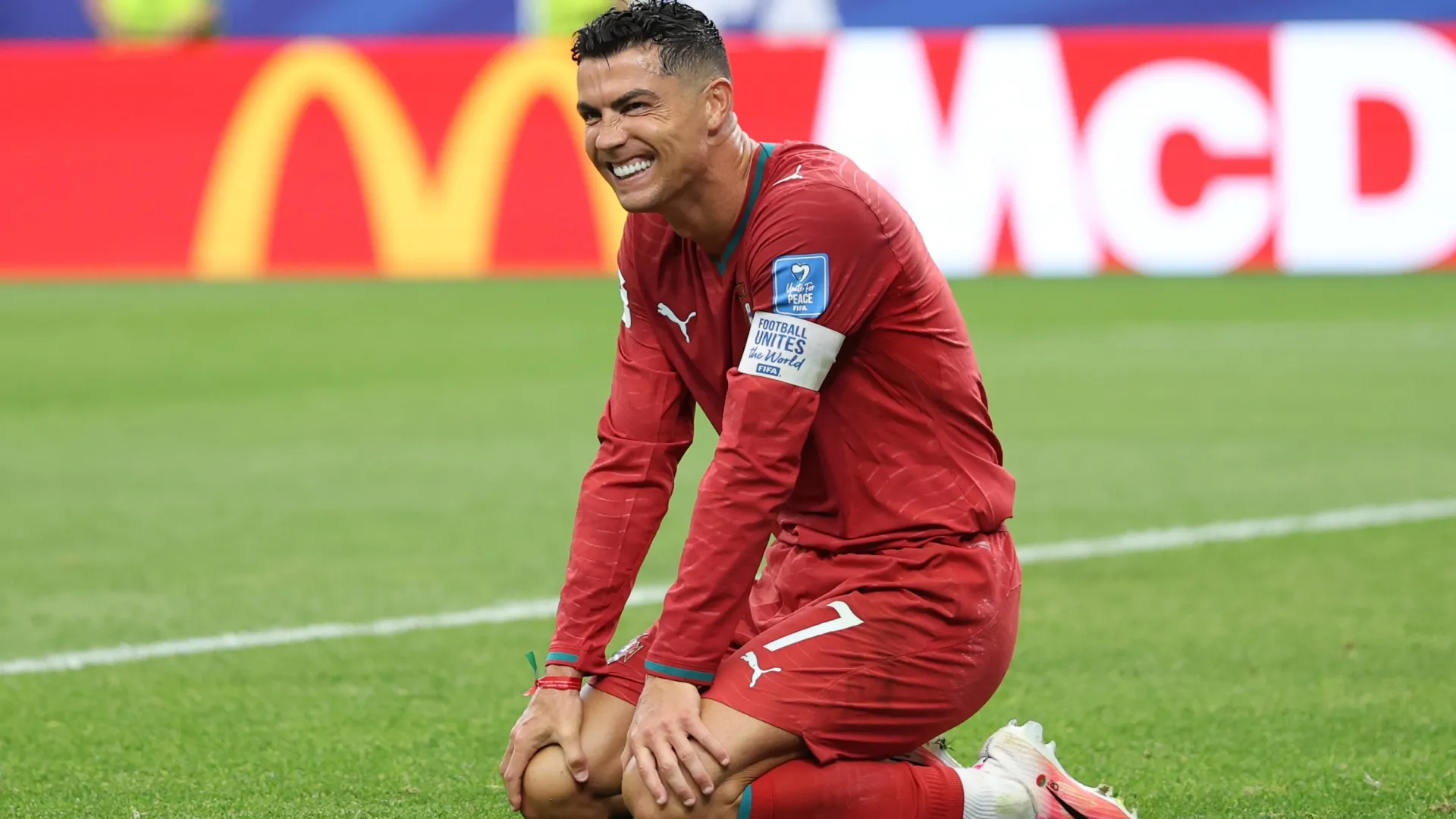
Cristiano Ronaldo during the FIFA World Cup 2026 Group K match (Source: Charlotte Wilson/Getty Images)
The 2026 FIFA World Cup features 48 teams divided into 12 groups of four. After each team plays three group-stage matches, the top two teams in every group automatically advance to the knockout stage.
That accounts for 24 spots, leaving eight more places available for the strongest third-place finishers. To determine which third-place teams move on, FIFA creates a separate ranking table including only the nations that finished third in their respective groups.
The teams are then ordered according to a series of criteria, beginning with points earned during the group stage. This format keeps more teams alive deeper into the tournament.
Even nations that fail to finish in the top two of their group can still qualify for the knockout rounds if their overall record compares favorably with the other third-place teams across the competition.
What are the tiebreakers for third-place teams at the 2026 World Cup?
If third-place teams are tied on points, FIFA uses goal difference as the first tiebreaker, followed by goals scored and additional criteria if necessary.
The ranking process begins with total points earned during the group stage. A team with four points, for example, will always rank above a team with three points regardless of goal difference.
If two or more third-place teams finish level on points, FIFA applies the following criteria:
- Goal difference in all group matches.
- Total goals scored in all group matches.
- Team conduct (disciplinary) record, commonly known as fair-play points.
- FIFA World Ranking, if teams are still tied after all previous criteria.
Because of these rules, every goal can have a major impact on qualification chances. A late goal in a match that appears decided could ultimately be the difference between advancing to the Round of 32 and being eliminated from the tournament.
Can a team qualify with only three points?
Yes, a team can qualify for the Round of 32 with only three points if its record is among the eight best third-place finishes. A nation could finish third after winning one match and losing two, ending the group stage with three points.
In many international tournaments that have used a best-third-place format, teams with three points have occasionally advanced thanks to a superior goal difference or goals-scored total. The expanded 2026 World Cup creates a similar possibility because only four of the 12 third-place teams will be eliminated.
However, three points provide little margin for error. Teams in that situation typically need a respectable goal difference and favorable results elsewhere to remain among the top eight third-place finishers.
How many third-place teams will advance to the Round of 32?
Eight third-place teams will qualify for the Round of 32, while four will be eliminated after the group stage. The math behind the format is straightforward. The 12 group winners and 12 runners-up account for 24 teams. FIFA then adds the eight best third-place finishers to create a 32-team knockout bracket.
As a result, two-thirds of all third-place teams will continue their World Cup journey. This significantly increases the chances of advancing compared to previous editions, where finishing outside the top two positions meant automatic elimination.
The knockout stage then follows a traditional single-elimination structure consisting of the Round of 32, Round of 16, quarterfinals, semifinals, third-place match and final.
Why did FIFA change the World Cup format in 2026?
FIFA expanded the World Cup from 32 to 48 teams to increase global representation and allow more nations to participate in the sport’s biggest tournament.
The new format adds 16 additional teams compared to the previous editions, creating more opportunities for countries from every confederation to qualify. FIFA also increased the number of matches from 64 to 104, making the tournament the largest in World Cup history.
Initially, FIFA considered a format featuring 16 groups of three teams. However, concerns about competitive integrity and the possibility of collusion led the organization to adopt 12 groups of four teams instead.
The current structure guarantees each nation at least three matches and preserves simultaneous final group-stage games. The addition of the best third-place qualifiers also helps create a balanced 32-team knockout bracket.
Rather than sending only 24 teams to the next round, FIFA can maintain a traditional elimination structure while keeping more nations involved throughout the group stage.