
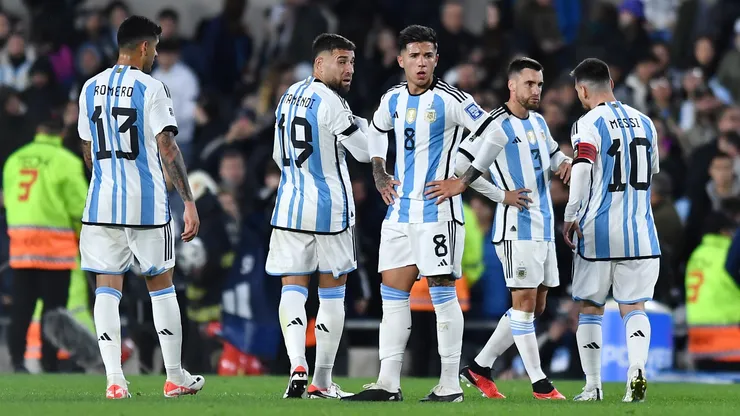
When the action stops at the FIFA World Cup, fans have the same question: how long do they actually have before kickoff resumes? Whether it’s time to grab a snack or catch their breath, halftime has long been part of the experience.
In the edition in the United States, Canada and Mexico, that tradition will remain largely unchanged. For the tournament’s 104 matches, the standard halftime interval is set to last 15 minutes, in accordance with the Laws of the Game.
The only notable exception could come in the World Cup final, where FIFA is planning the competition’s first-ever halftime entertainment show, potentially extending the break on the sport’s biggest stage.
Why is halftime 15 minutes in soccer?
Halftime in soccer lasts 15 minutes because that is the maximum interval established by the Laws of the Game. According to Law 7 of the IFAB, players are entitled to a halftime break “not exceeding 15 minutes”.
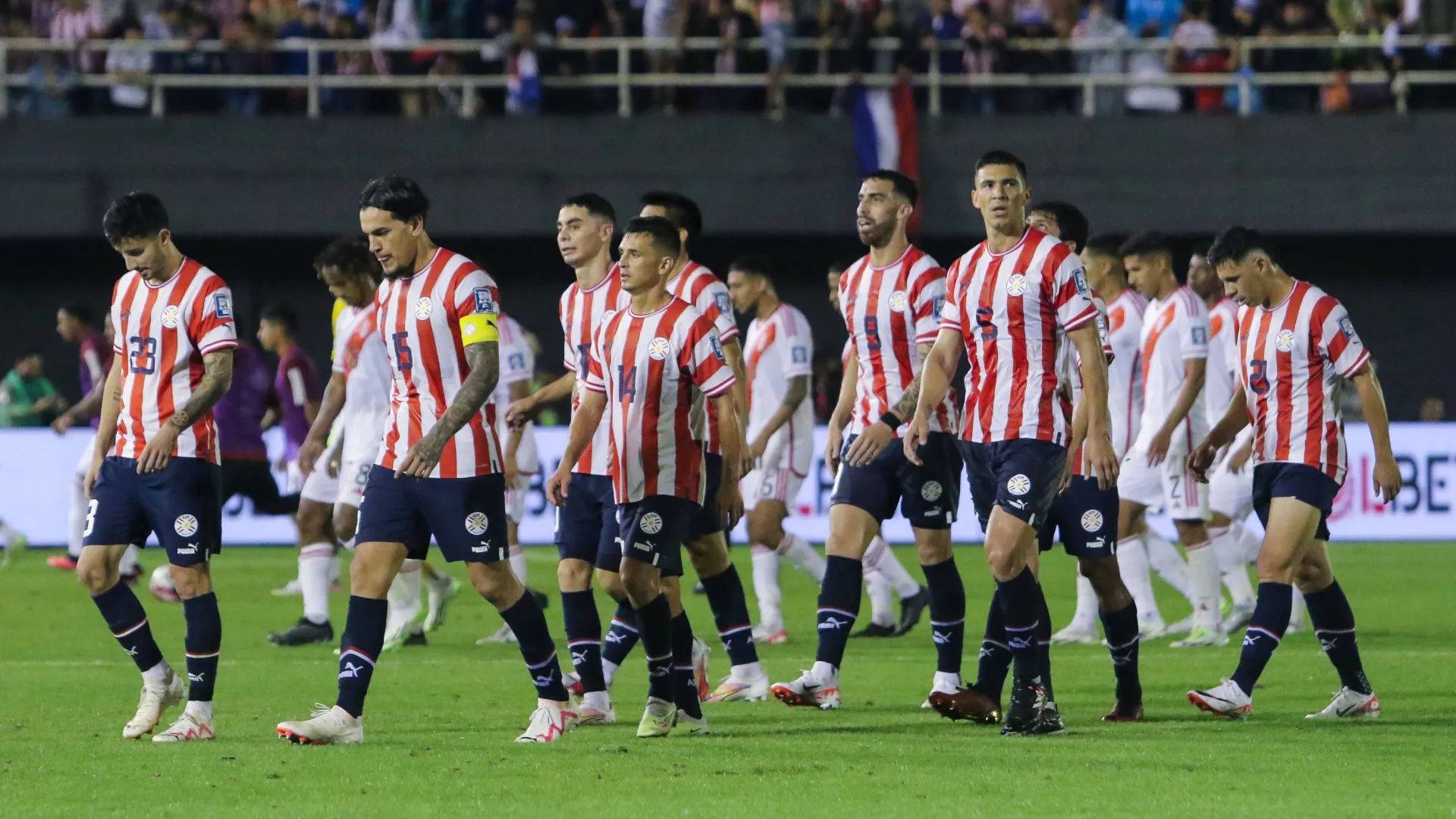
Players of Paraguay leave the field at halftime during a FIFA World Cup 2026 Qualifier match (Source: Christian Alvarenga/Getty Images)
The reasoning behind the rule is practical. Players need enough time to recover physically after an intense first half, receive medical treatment if necessary, rehydrate, and listen to tactical instructions from their coaching staff.
At the same time, the break cannot be so long that it disrupts the rhythm of the match or significantly extends the overall event. The 15-minute interval strikes a balance between player welfare and maintaining the flow of the spectacle.
Can referees extend halftime at the World Cup?
Referees can authorize changes to halftime at the World Cup, but only under specific circumstances. IFAB’s Laws of the Game state that competition rules determine the duration of the halftime interval and that it “may be altered only with the referee’s permission”.
Fans should still expect a standard 15-minute break in the overwhelming majority of World Cup matches. Referees do not simply add extra minutes because of injuries, VAR reviews or lengthy stoppage time in the first half.
Those delays are compensated for during play through additional time, not by extending halftime. However, exceptional situations can lead to adjustments. Security concerns, severe weather, technical issues inside the stadium or organizational requirements may require a slightly modified interval.
What do players do during halftime at the World Cup?
Players use halftime to recover, regroup and prepare for the second half. Although fans only see them disappear into the tunnel, those 15 minutes are often among the most important of the entire match.
Managers and coaching staffs review what happened during the first half. Tactical adjustments are discussed, weaknesses in the opponent are highlighted, and players receive specific instructions based on the evolving match situation.
If a team is trailing, coaches may change formations or personnel. If they’re protecting a lead, the message could focus on discipline and game management. Medical teams also play a critical role.
Players receive treatment for knocks and minor injuries, undergo quick physical evaluations, and work with trainers to loosen muscles before returning to the field. Hydration and nutritional support become priorities, particularly during tournaments played in demanding weather conditions.
For the players themselves, halftime offers a brief mental reset. Veterans often speak up to calm younger teammates, captains reinforce the coach’s message, and squads refocus on the objectives for the remaining 45 minutes.