Some NBA seasons refuse to follow the script. A handful of teams stumble through months of uneven play, battered records and shifting lineups, only to find themselves still breathing when the postseason door cracks open just wide enough.
Their paths rarely feel glamorous. Wins come in streaks, losses in waves and doubts settle in early. Yet within the chaos, something holds—an edge, a burst of timing, a locker room that refuses to surrender even when the standings insist otherwise.
What emerges is a catalogue of improbable survivors. Teams that slipped past logic, reshaped expectations and turned flawed campaigns into unforgettable runs. Their stories endure because they prove that hope can grow in the most unlikely terrain. However, there are also teams that create expectations only to fail when it matters the most.
Teams that struggled in NBA playoffs
The NBA postseason is where legends are forged, but not all invitees arrive with elite credentials. Some slide into the bracket burdened by a turbulent regular season, or worse, dragging a legacy of ineffectiveness.
These are the most dramatic narratives of teams that, due to historical circumstances, fleeting momentum or advantageous geography, gate-crashed the playoff party:
Worst postseason winning percentage
The Indianapolis Olympians (1952-53)
In an era when the NBA was still finding its footing, and league rules often allowed a high percentage of teams into the playoffs, the Indianapolis Olympians etched a mark of historical postseason inefficiency that remains unmatched.
While other teams in the league’s formative years might have slipped in with a worse regular-season winning percentage, the Olympians achieved something unique: they hold the franchise record for the lowest winning percentage within the playoffs at a desolate 4-9 (30.8%).
Unlike modern teams that simply get dispatched 0-4 in a single series, the Olympians extended their playoff agony across their short four-season history. Their final, 1952-53, playoff appearance, coming after a modest 28-43 regular season (39.4%), resulted in a 0-2 loss in the Division Semifinals.
This collective 4-9 playoff record—a reflection of their overall fragility in crucial games across their existence—serves as a stern reminder that qualifying is only the entry fee. The Olympians, soon condemned to folding after that final season, left behind a record of playoff struggle as unique as their short, pioneering tenure.
The worst-to-playoffs resurrection
Detroit Pistons (2023-24 to 2024-25)
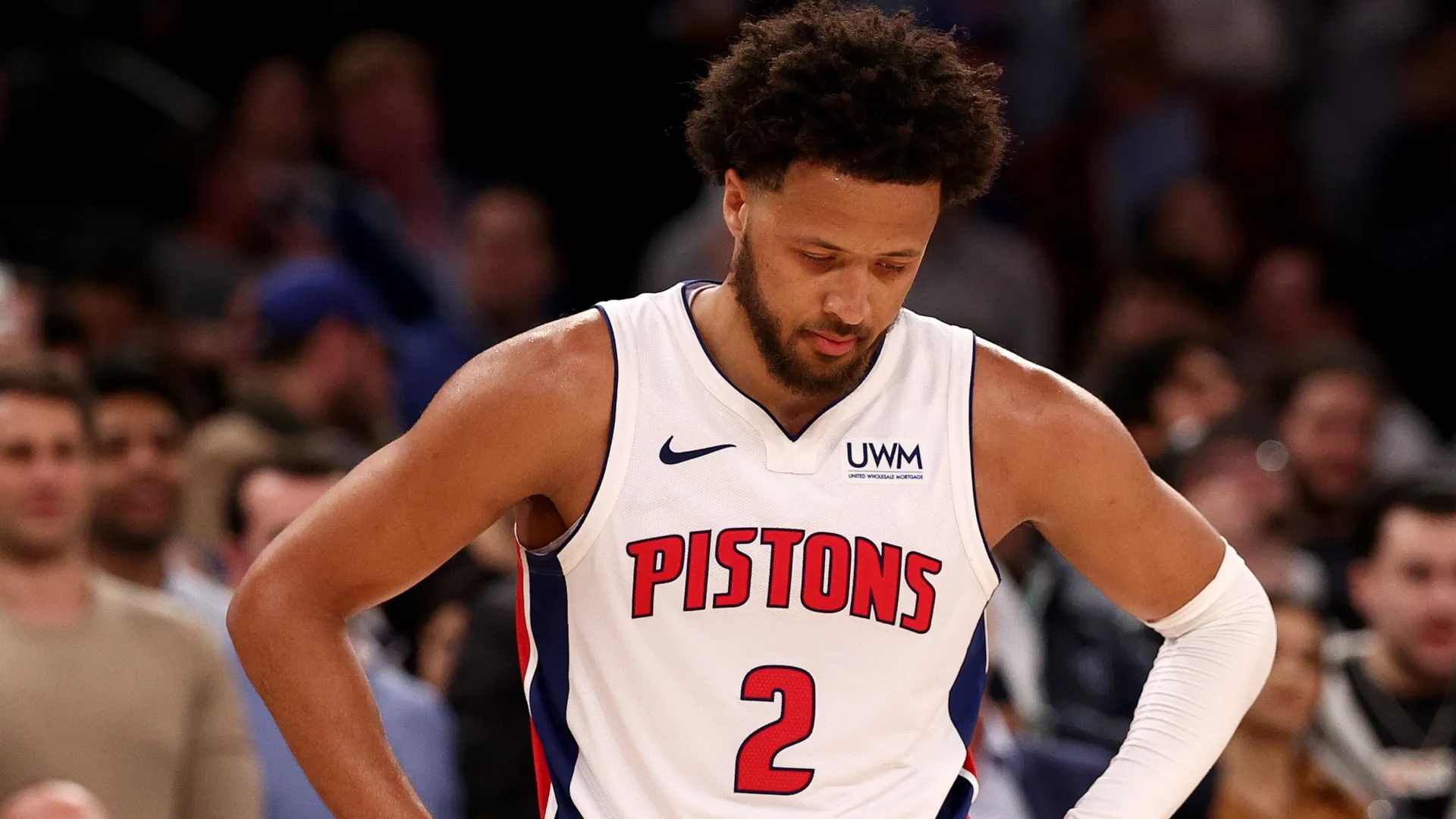
Cade Cunningham #2 of the Detroit Pistons in 2024. (Source: Elsa/Getty Images)
If success is measured by the speed of redemption, the feat pulled off by the Detroit Pistons in their swift pivot from the 2023-24 season to 2024-25 stands as one of the NBA’s most stunning modern achievements.
The 2023-24 campaign was an unmitigated disaster, ending with a miserable 14-68 record (17.1% winning percentage), the worst in the entire league, and a historically humiliating 28-game losing streak. The narrative was one of absolute, entrenched crisis.
Yet, the transformation was meteoric and historically unprecedented. The following year, under new leadership and with a newly solidified core led by Cade Cunningham, the Pistons didn’t just improve—they qualified for the playoffs comfortably (finishing 44-38, a 53.7% winning percentage).
Detroit became the first team in NBA history to go from holding the worst regular-season record league-wide to securing a playoff berth the very next season. This resurrection story is not just an underdog tale; it’s a powerful testament to the volatility that a single, focused offseason, good coaching, and player development can inject into a seemingly doomed franchise.
Other noteworthy early exits (The 0-4 club)
These teams share a painful distinction: the perfect sweep in the first round, leaving them with an ignominious 0-4 playoff record in a single series. While this mark is shared by many throughout league history, these recent examples starkly illustrate the vast chasm separating a mere playoff qualifier from a true contender in the modern NBA.
Memphis Grizzlies (2015-16)
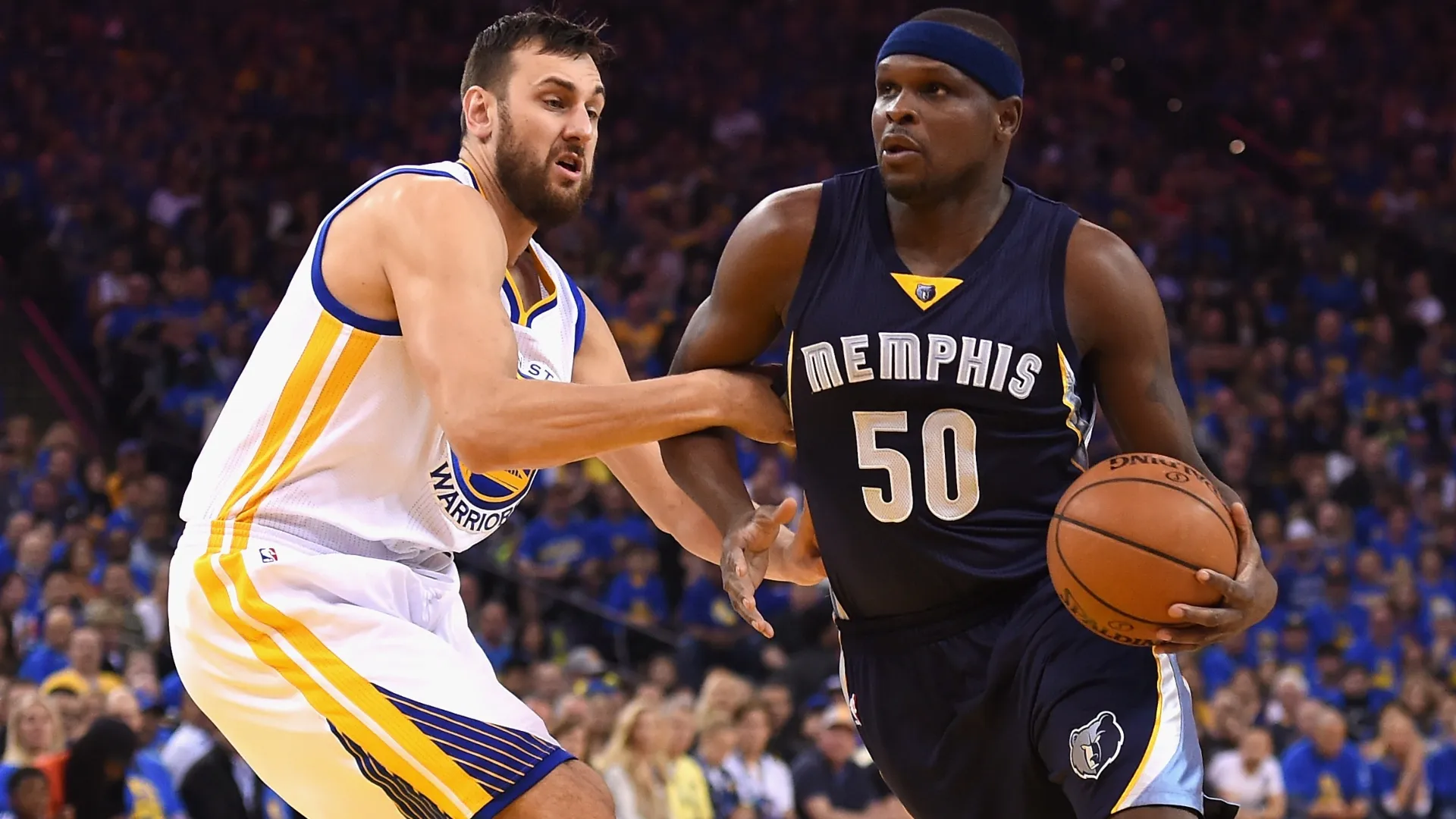
Zach Randolph #50 of the Memphis Grizzlies in 2016. (Source: Thearon W. Henderson/Getty Images)
The 2015-16 Grizzlies perfectly personified tenacity forced by attrition. That season of the storied Grit and Grind era was ravaged by injuries that utterly dismantled their identity.
Despite just managing to claw their way to the playoffs with a meager 42-40 record (51.2%), the squad that showed up against the San Antonio Spurs in the first round was a shell of its former self.
The result was a demoralizing 0-4 sweep. Missing key stars like Marc Gasol and Mike Conley Jr., the “Grindhouse” philosophy broke down, unable to compete with a healthy, elite Western Conference opponent.
Their swift exit was not just an elimination; it marked a tragic end to an era, proving that even the most determined spirit eventually succumbs when the body is overwhelmed by adversity.
Miami Heat (2020-21)
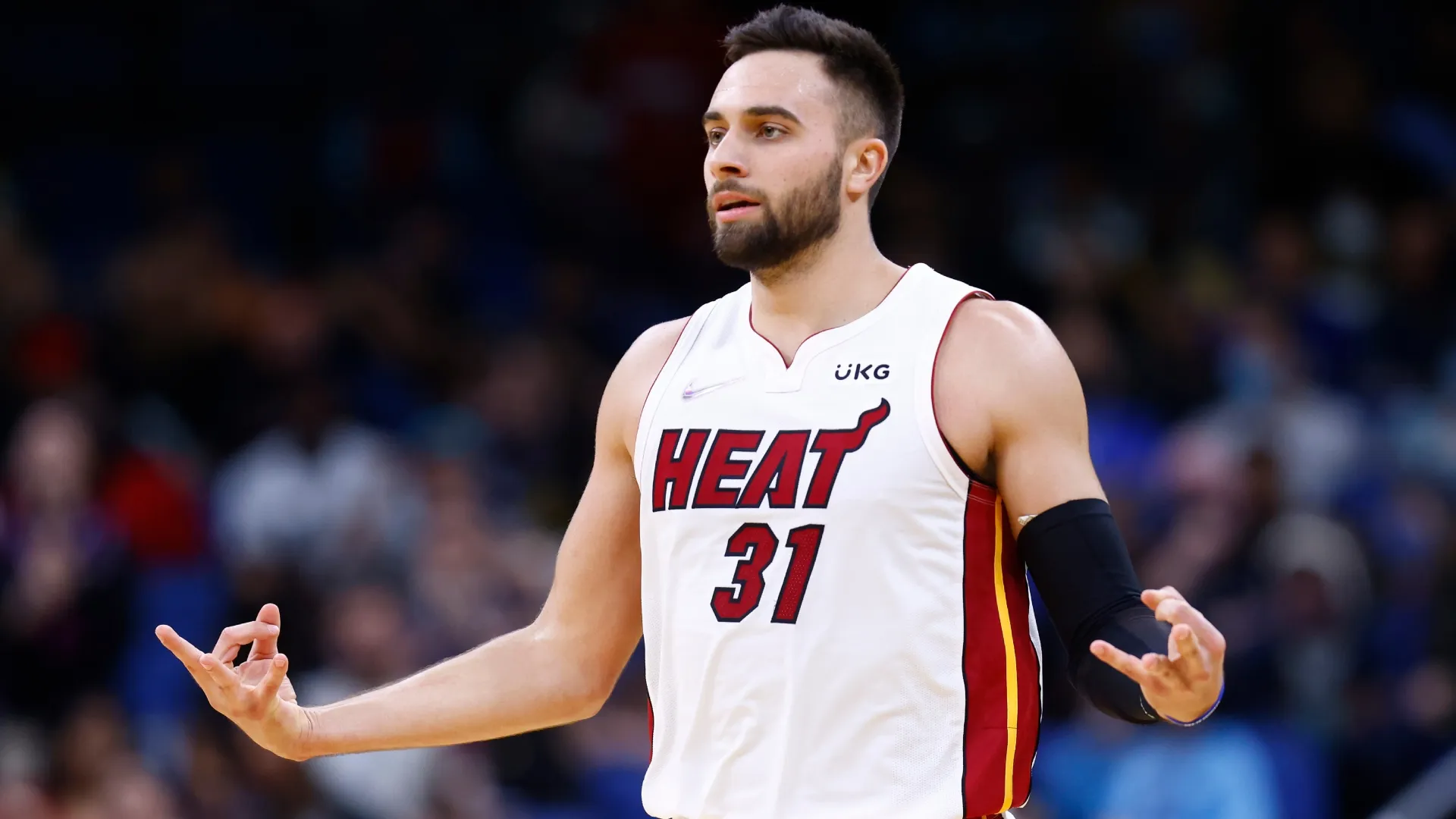
Max Strus #31 of the Miami Heat in 2021. (Source: Michael Reaves/Getty Images)
The fall of the Miami Heat in 2020-21 was a particularly brutal reality check. Unlike other teams on this list, the Heat were the defending Eastern Conference champions just months earlier, reaching the Finals in the Orlando Bubble.
While their 40-32 regular season (55.6%) earned them a playoff spot, their rematch against the Milwaukee Bucks was a cruel reminder of how quickly the league’s dynamics can shift.
The 2021 series became a public execution of a team that simply couldn’t replicate its bubble magic. The intensity and clutch play that defines Heat Culture evaporated in the face of the Bucks’ adjusted, physical, and highly motivated game plan.
The 0-4 sweep that sealed their fate was not just a loss but a humbling for a franchise that expected to redeem its previous Finals defeat, clearly demonstrating that past success guarantees nothing once the postseason lights turn on.
Phoenix Suns (2023-224)
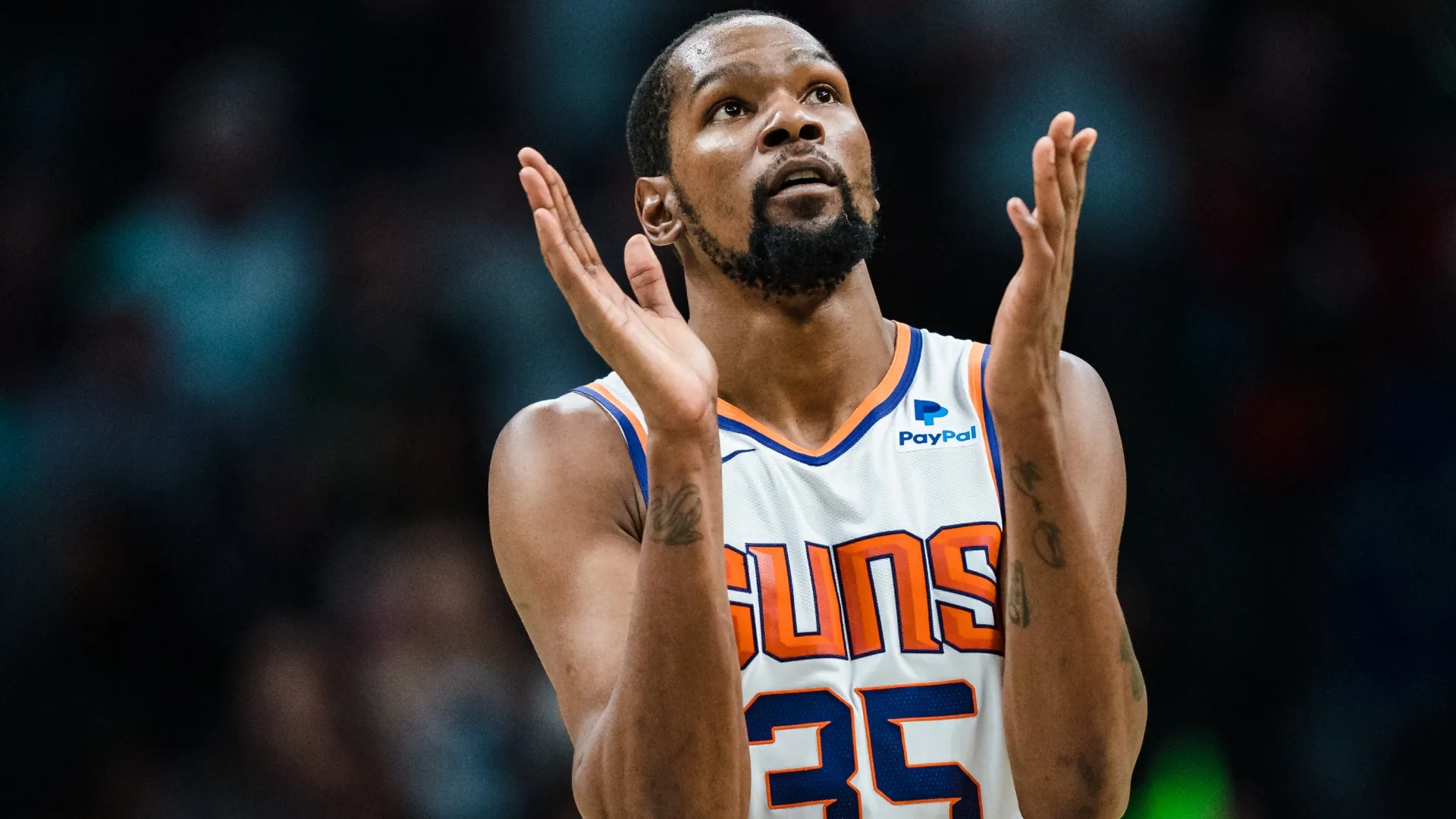
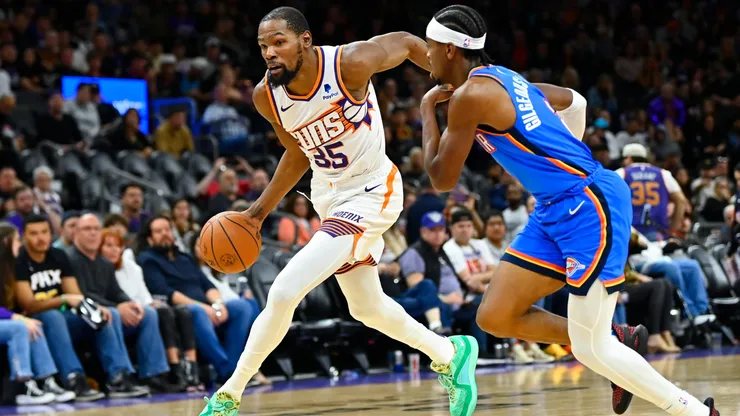
Kevin Durant #35 of the Phoenix Suns in 2023. (Source: Jacob Kupferman/Getty Images)
The Phoenix Suns‘ 2023-24 narrative is the most contemporary and painful, tied directly to the crushing weight of stratospheric expectations. After consolidating a Big Three with elite offensive talent (Kevin Durant, Devin Booker and Bradley Beal), the team was widely viewed as a legitimate title contender.
Yet, the regular season was an exercise in inconsistency, chemistry issues, and a stark lack of depth. They entered the playoffs as the 6th seed and were comprehensively swept 0-4 by the Minnesota Timberwolves.
The result was not just a loss but a declaration of bankruptcy for a superstar experiment that failed dramatically at the most critical juncture. For the Suns, the 0-4 was not an underdog surprise; it was the painful confirmation that the mere accumulation of individual talent is insufficient to overcome a lack of team cohesion and robust depth in a well-built playoff roster.