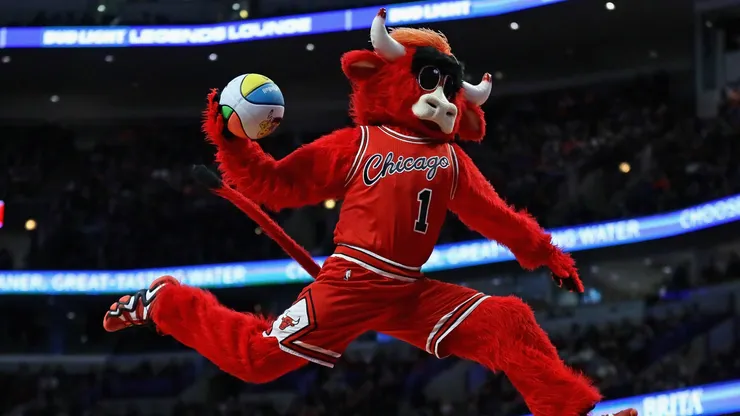
In the NBA, where spectacular dunks and buzzer-beaters captivate millions, there is another group of performers who steal the show: the mascots. Beyond their acrobatics and antics, they represent the spirit and identity of their teams.
From the iconic Benny the Bull of the Chicago Bulls to the daring Rocky of the Denver Nuggets, these characters have become essential figures in the spectacle, each with their own style, history, and connection with fans.
Join us on a journey through the most entertaining and unforgettable NBA mascots, exploring the stories that have made them true basketball legends, their origins, and some fascinating curiosities about them.
Benny the Bull (Chicago Bulls)
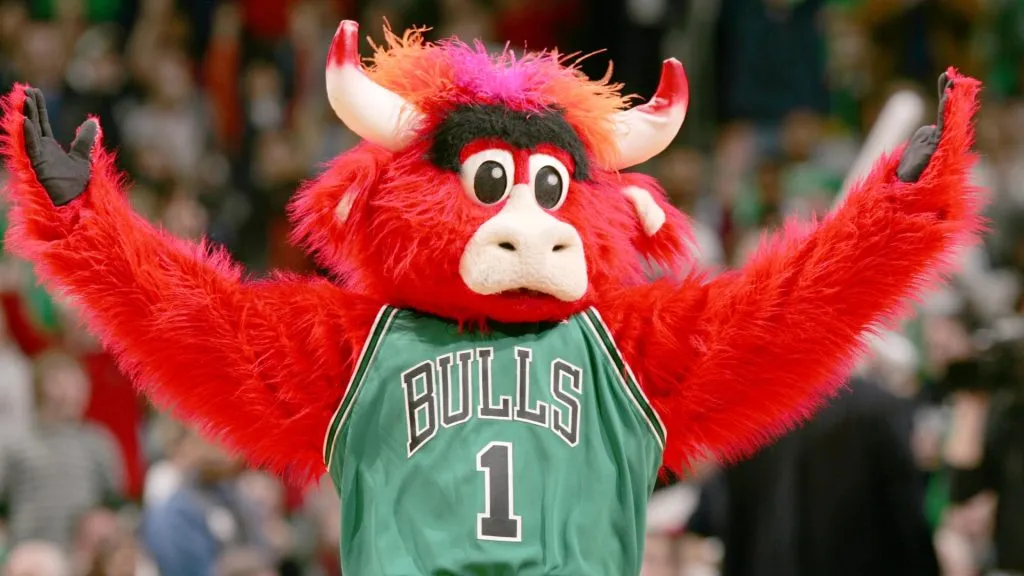
Benny the Bull the mascot of the Chicago Bulls celebrates during the game against the Miami Heat on March 18, 2006. (Source: Jonathan Daniel/Getty Images)
Benny the Bull stands as one of the NBA’s most iconic mascots, with a history dating back to 1969. His creation was inspired by the team’s name and the desire to have a lively character that could energize the crowd.
He has evolved from a simple mascot into a dynamic entertainer known for his acrobatic dunks, humorous skits, and engaging interactions with fans. His popularity is such that he has become a symbol of the Chicago Bulls’ spirit and is a beloved figure not just in Chicago but across the NBA.
The Coyote (San Antonio Spurs)
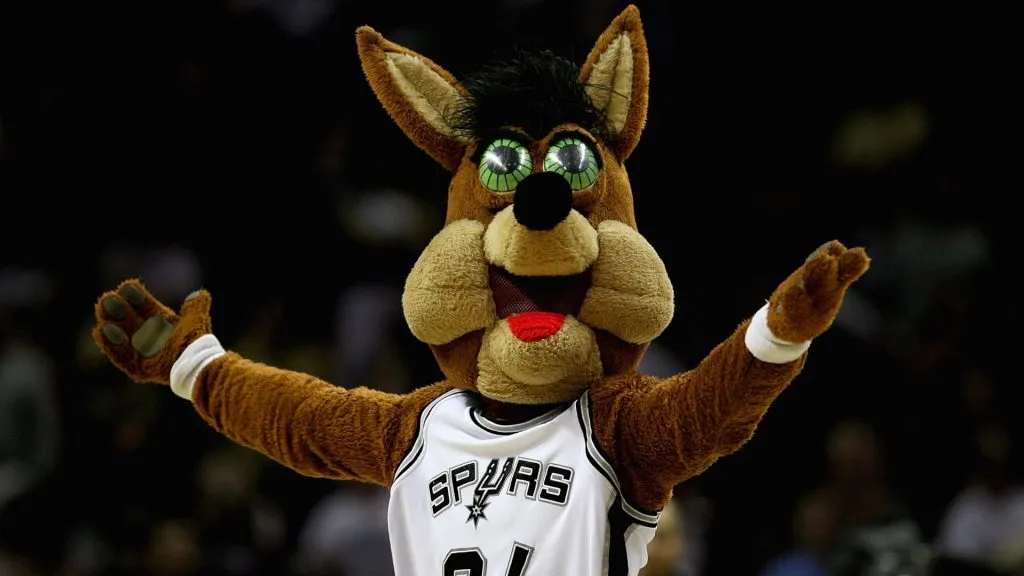
The Coyote, the mascot for the San Antonio Spurs, performs during a break in the action against the Phoenix Suns in Game One of the Western Conference Quarterfinals during the 2008 NBA Playoffs. (Source: Ronald Martinez/Getty Images)
Debuting in 1983, The Coyote was introduced to bring a unique and entertaining element to San Antonio Spurs games. His design, featuring wild green eyes and a mischievous grin, was crafted to embody a playful yet cunning character.
He has become renowned for his slapstick humor, comedic timing, and ability to engage with fans of all ages. His antics, from playful pranks to entertaining dance routines, have made him a staple of Spurs games and a beloved figure in the NBA community.
Franklin the Dog (Philadelphia 76ers)
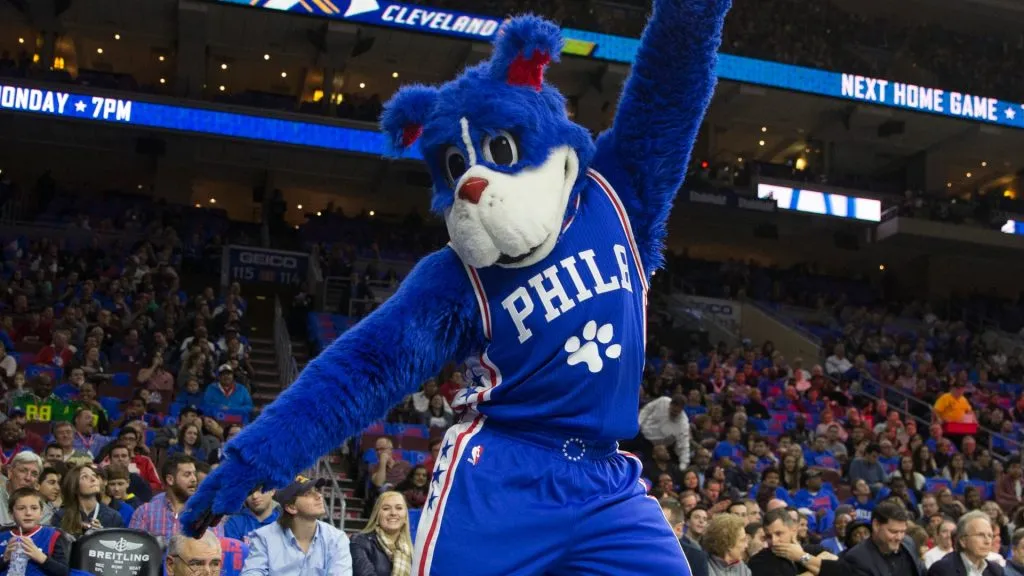
Philadelphia 76ers mascot Franklin dances during a timeout in the game against the Utah Jazz on October 30, 2015. (Source: Mitchell Leff/Getty Images)
Introduced in 2015, Franklin the Dog is the lovable and energetic mascot of the Philadelphia 76ers. Designed to appeal to younger fans, Franklin replaced the team’s previous mascots with a fresh and approachable look. His blue fur, oversized paws, and big, expressive eyes make him one of the most huggable mascots in the NBA.
Unlike the more aggressive or high-flying mascots across the league, he was created with a friendlier, more community-focused approach. His inspiration comes from Philadelphia’s deep love for dogs, symbolizing loyalty, strength, and the unbreakable bond between the team and its fans.
Though Franklin doesn’t perform the daring aerial stunts of some other mascots, he more than makes up for it with his high-energy dance moves, hilarious skits, and nonstop engagement with the crowd. Whether he’s leading chants, running through the arena to hype up fans, or participating in off-court charity events, he is an essential part of the Sixers’ game-day experience.
Stuff the Magic Dragon (Orlando Magic)
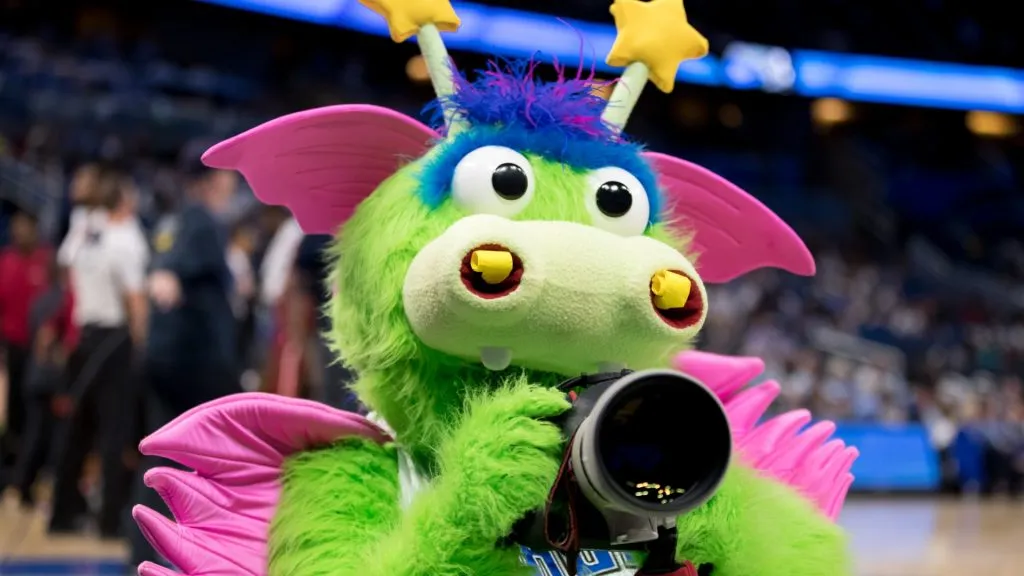
Orlando Magic mascot Stuff the Magic Dragon during a break on opening night agains the Miami Heat on October 26, 2016. (Source: Manuela Davies/Getty Images)
Stuff the Magic Dragon made his debut in 1989, coinciding with the Orlando Magic‘s inaugural season. His creation was inspired by the team’s name, with “Stuff” embodying the magical and whimsical elements associated with dragons.
He has become known for his high-energy performances, including acrobatic dunks, humorous skits, and engaging interactions with fans. His playful personality and vibrant appearance have made him a beloved figure in Orlando and a standout mascot in the NBA.
Rocky the Mountain Lion (Denver Nuggets)
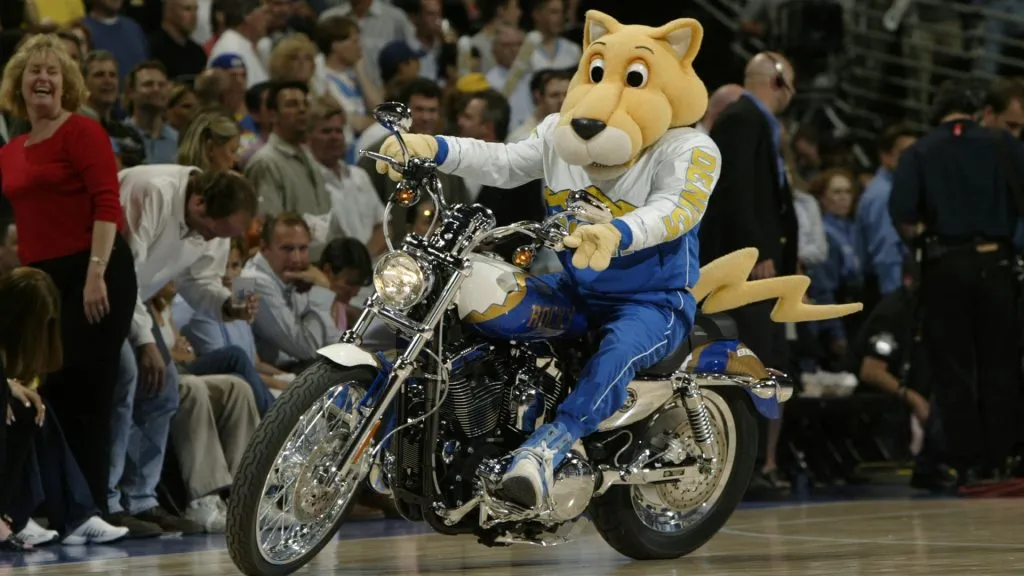
The Denver Nuggets mascot, Rocky the Mountain Lion, rides a motorcycle during an intermission in Game four against the Minnesota Timberwolves during the 2004 NBA Playoffs. (Source: Brian Bahr/Getty Images)
Rocky the Mountain Lion has been a fixture at Denver Nuggets games since his debut in 1990. His creation was inspired by Colorado’s mountainous terrain and the native wildlife of the region.
He is renowned for his acrobatic stunts, including backward half-court shots and high-flying dunks, which have earned him recognition as one of the most dynamic mascots in professional sports. His fearless approach to entertainment and commitment to engaging with the community have solidified his status as a beloved figure in Denver.
Hooper (Detroit Pistons)
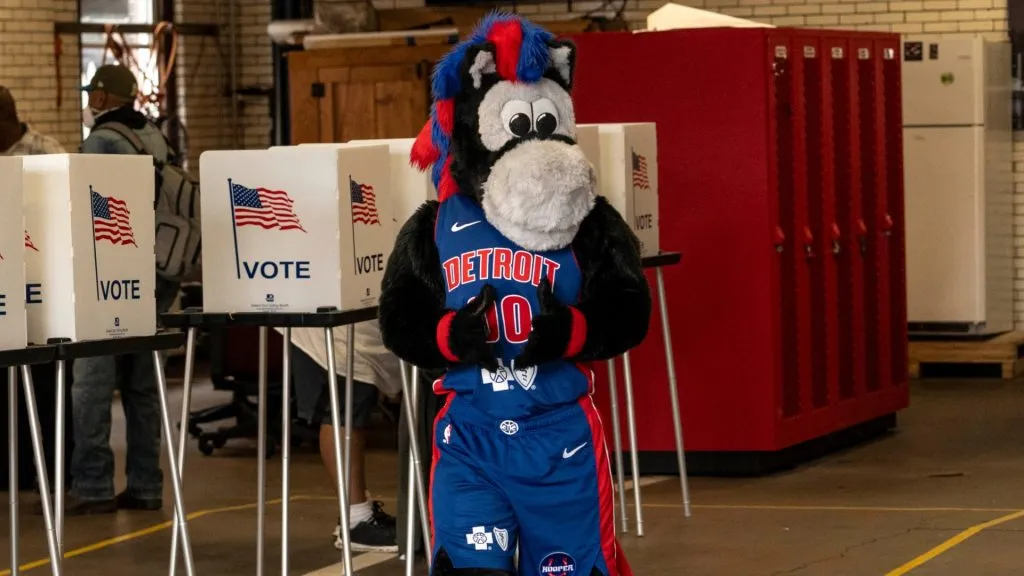
Hooper, the Detroit Pistons mascot, pays a visit to the polling station at Detroit Fire Department Engine 17 Ladder 7 Chief 5 on November 5, 2024. (Source: Sarah Rice/Getty Images)
Introduced in 1996, Hooper was created to embody the spirit and energy of the Detroit Pistons. His design as a horse pays homage to Detroit’s automotive industry, often referred to as the “Horsepower Capital of the World.”
He has become known for his lively personality, engaging dance routines, and interactive games with fans. His presence adds a dynamic element to Pistons games, making him a favorite among fans and a symbol of the team’s resilience and strength.
Burnie (Miami Heat)
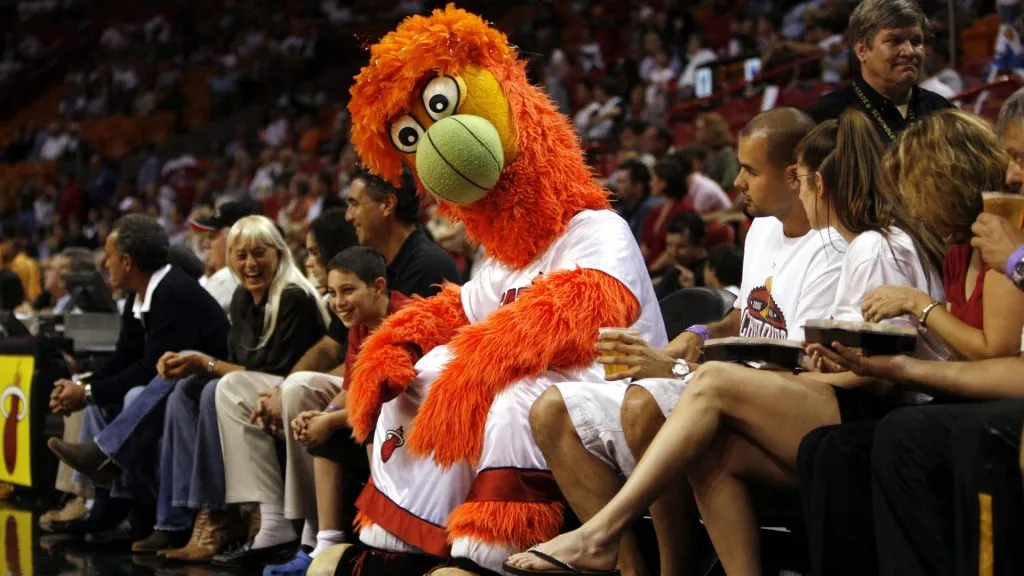
Bernie the Miami Heat Mascot sits with fans during their game against the New York Knicks on November 17, 2006. (Source: Eliot J. Schechter/Getty Images)
Since his debut in 1988, Burnie has been lighting up the Miami Heat’s home games with his fiery energy and unmistakable look. Unlike most NBA mascots, Burnie isn’t an animal or mythical creature—he’s a bright orange, furry figure with a basketball-shaped nose, representing the flaming basketball from the Heat’s logo.
His quirky and slightly bizarre design has made him one of the most unique mascots in the league. Burnie’s personality is as bold as the city he represents. With his playful antics, wild dance moves, and comedic interactions with players, referees, and fans, he has become a staple of Miami Heat games.
Over the years, he has gained a reputation for being one of the most mischievous mascots in the NBA. He has had several viral moments, including run-ins with security, playful altercations with opposing players, and even a few legal controversies—one of the most famous being a lawsuit from a fan after a prank gone wrong.
Hugo the Hornet (Charlotte Hornets)
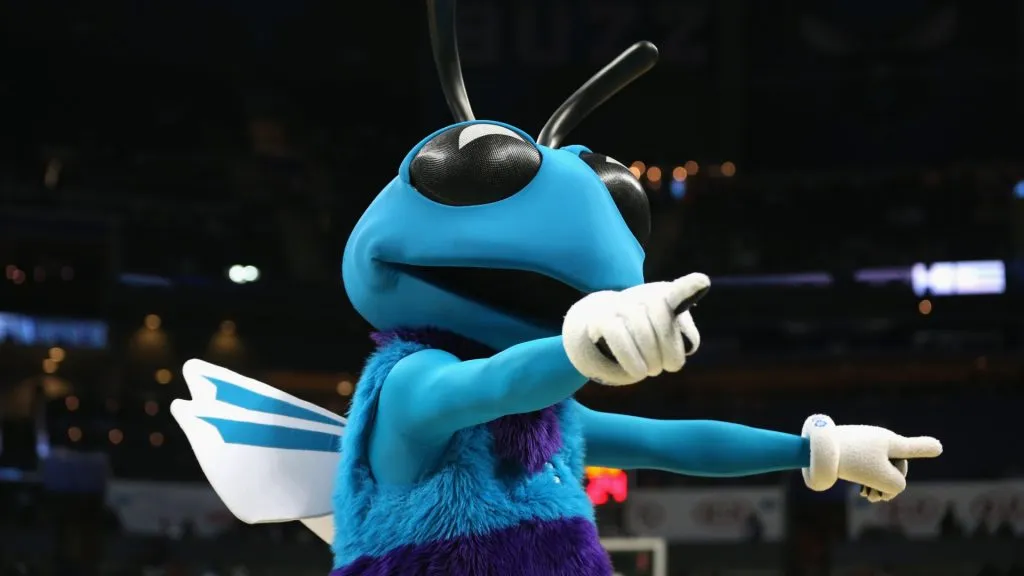
Hugo the Hornet in action during their game against the Chicago Bulls at Time Warner Cable Arena on November 3, 2015. (Source: Streeter Lecka/Getty Images)
Since his debut in 1988, Hugo the Hornet has been the heart and soul of the Charlotte Hornets’ fan experience. As one of the most recognizable mascots in NBA history, Hugo’s sleek design, athleticism, and high-energy performances have made him a fan favorite for decades.
Named through a fan contest before the Hornets’ inaugural season, he was created to embody the team’s fierce yet fun spirit. His bright teal body, expressive eyes, and signature wings make him one of the most visually striking mascots in the league.
Hugo is renowned for his gravity-defying slam dunks, acrobatics and hilarious in-game antics. Whether he’s flipping off trampolines, breakdancing at center court, or engaging in playful pranks with referees and players, he always keeps the crowd entertained.
Bango the Buck (Milwaukee Bucks)
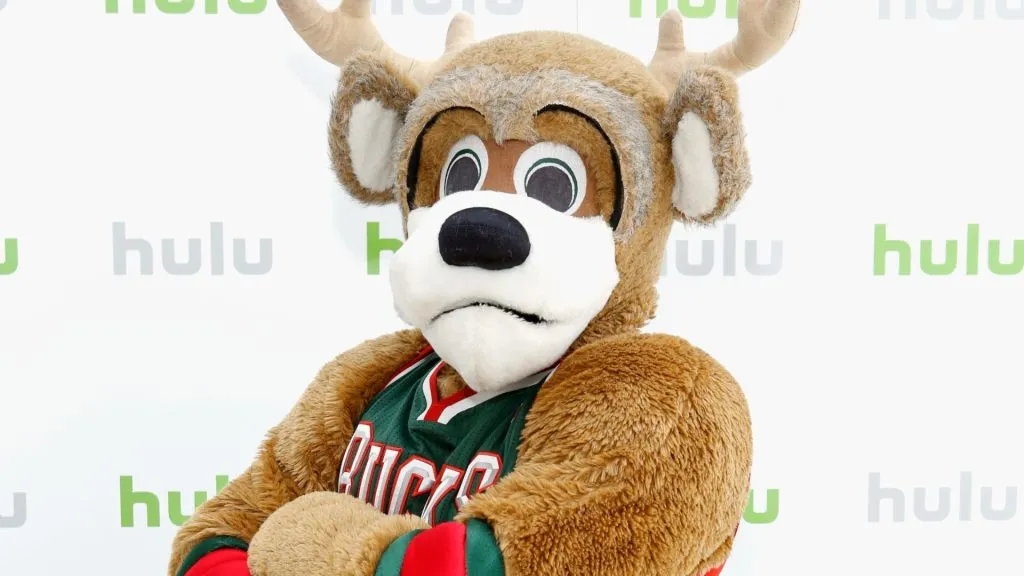
Mascot Bango the Buck attends Hulu NY Press Junket on April 30, 2013. (Source: Cindy Ord/Getty Images for Hulu)
Since his debut in 1977, Bango the Buck has been an integral part of the Milwaukee Bucks’ identity. His name, “Bango”, comes from a popular call made by Bucks announcers whenever a player hits a big shot, reinforcing his deep connection to the team’s culture.
As a deer—a natural choice for a team named the Bucks—Bango is designed to represent strength, agility, and speed, characteristics that mirror the style of play Milwaukee has long been known for. Over the years, his design has evolved, becoming more expressive and animated, which has only increased his popularity.
Lucky the Leprechaun (Boston Celtics)
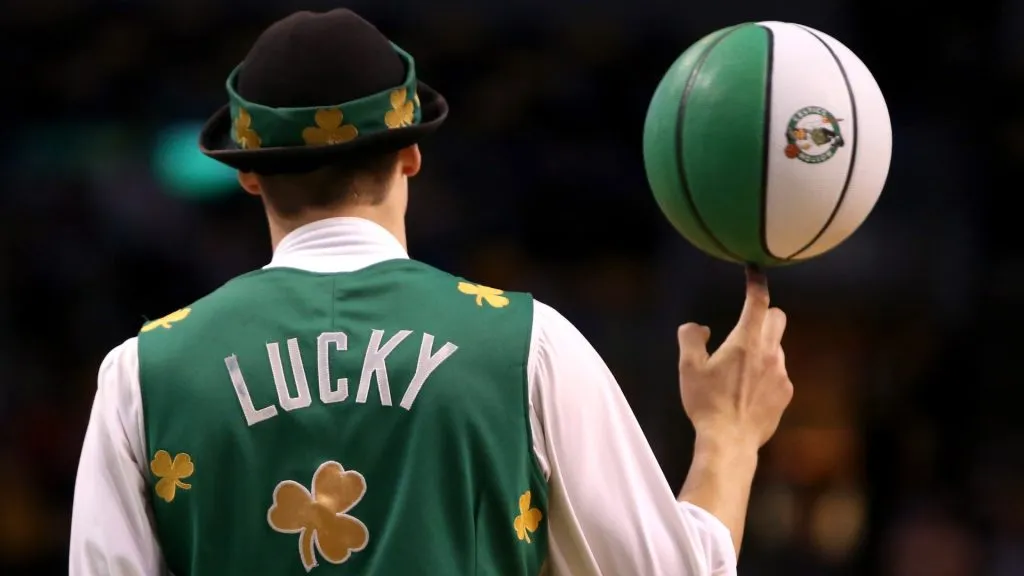
Boston Celtics mascot Lucky the Leprechaun spins a ball on his finger during a time out in the second half during a preseason game against the Brooklyn Nets in 2014. (Source: Mike Lawrie/Getty Images)
Since the founding of the Boston Celtics in 1946, Lucky the Leprechaun has been an essential part of the team’s identity. Inspired by Boston’s strong Irish heritage, his design is based on leprechauns—mythical creatures from Celtic folklore known for their cunning and connection to good fortune.
Unlike many other NBA mascots, he is portrayed by a live performer rather than a full-body costume. His role has evolved from simply being a logo to becoming a star acrobat, performing impressive dunks and stunts during timeouts.
His image is prominently featured in the team’s iconic logo, making him one of the few NBA mascots with a strong representation in the franchise’s visual identity. Lucky is known for his ability to engage with fans and his presence at community events, further reinforcing his role as the team’s ambassador.
Champ (Dallas Mavericks)
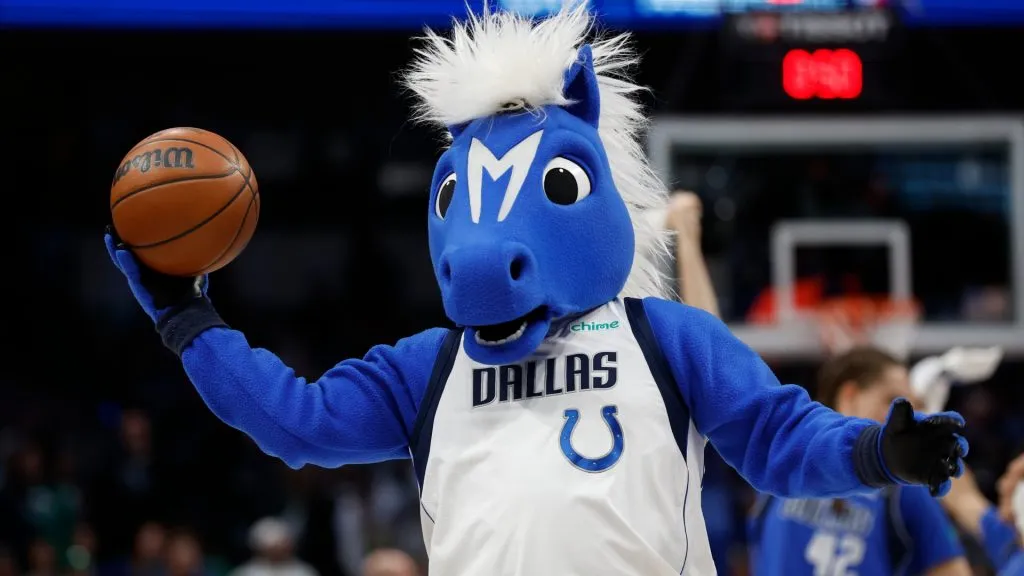
Dallas Mavericks mascot Champ holds a basketball before the game against the Houston Rockets at American Airlines Center on December 29, 2022. (Source: Tim Heitman/Getty Images)
The Dallas Mavericks are one of the few NBA teams with two mascots: Champ and MavsMan. While MavsMan is a more heroic figure with a suit inspired by the team’s aesthetics, Champ is the fan favorite thanks to his friendlier and more expressive design.
Introduced in 2002, he is a blue horse with a vibrant mane and a contagious smile. His design is a nod to the “maverick” or wild horse of the Old West, a symbol that perfectly aligns with the team’s image. His playful attitude and energetic style have made him a beloved figure among fans, especially younger audiences.
Over the years, he has become a key part of the Mavericks’ game-day entertainment, performing stunts, hyping up the crowd, and maintaining a strong presence on the team’s social media platforms.