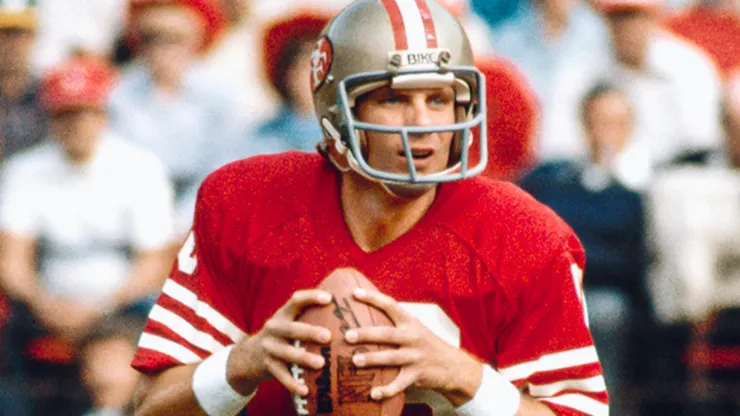
Few franchises embody greatness like the San Francisco 49ers. From their rise in the 1980s, the team carved out a legacy of precision and dominance, turning football into spectacle and forever etching their colors into the NFL’s identity.
The dynasty was built on the brilliance of Joe Montana, the artistry of Jerry Rice, and a system that redefined modern offense. Candlestick Park became the stage where legends emerged, and the Niners’ golden era set a standard that few have matched.
Yet the story didn’t end in the past. Across decades, new stars carried the torch, keeping the legacy alive and pushing it into new chapters. From heartbreaks to triumphs, the 49ers remain a franchise defined by heroes who shaped history.
Abe Woodson
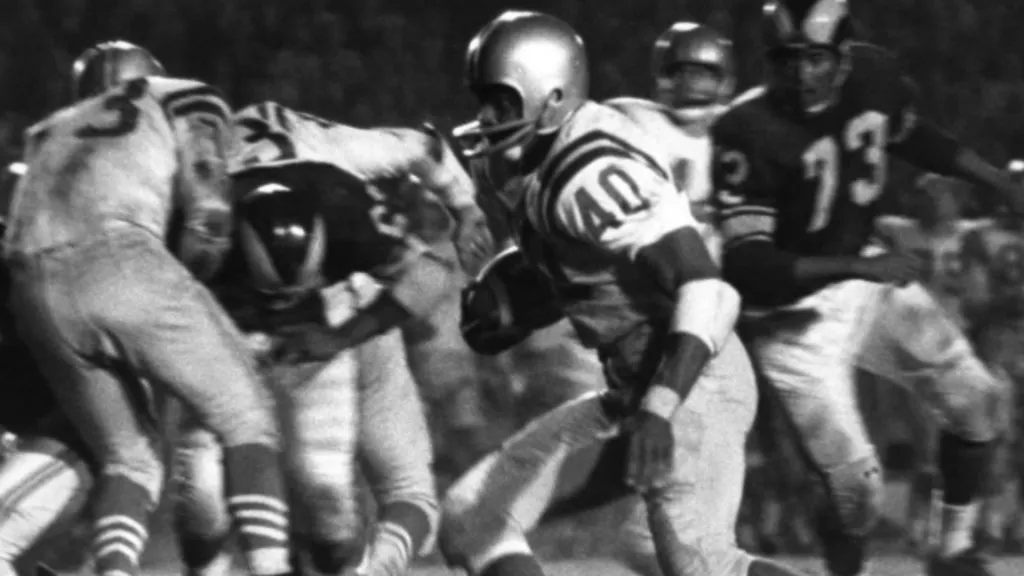
Abe Woodson (Source: NFL)
Before the dynasty and long before Levi’s Stadium, Abe Woodson electrified fans as a return specialist in the late 1950s and early ’60s. His speed and vision made him one of the most dangerous players of his era, racking up return yards at a pace that set franchise records. Woodson brought excitement during an otherwise lean era for the 49ers, laying early groundwork for the thrills to come.
Andy Lee
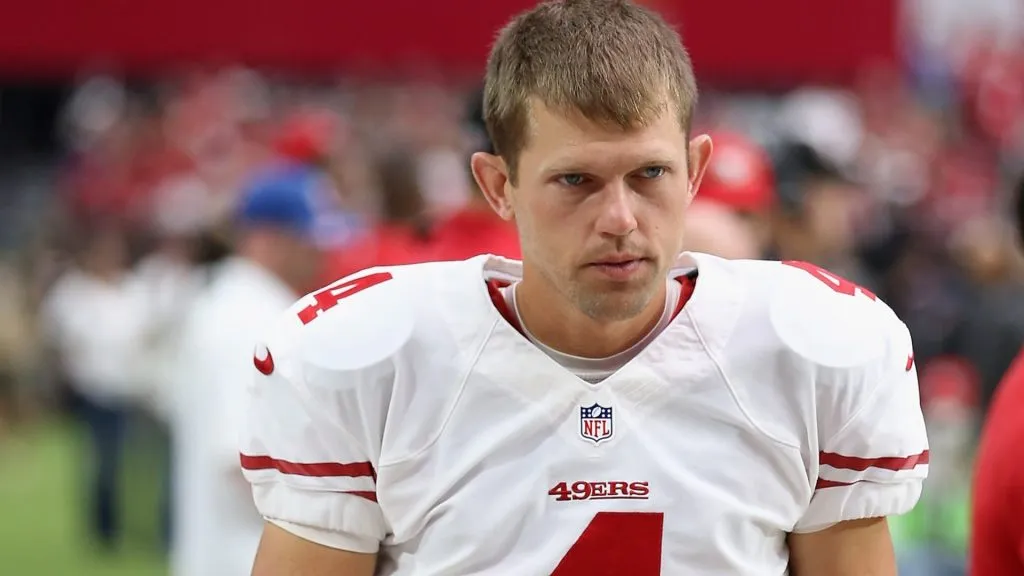
Andy Lee #4 of the San Francisco 49ers on the sidelines during an NFL game. (Source: Christian Petersen/Getty Images)
In a franchise known for quarterbacks and wideouts, Andy Lee proved that punters could be legends, too. Over more than a decade with the team, Lee consistently flipped field position with booming punts and precision.
A three-time Pro Bowler, his contributions may not have filled highlight reels, but they were crucial in countless tight contests, securing his place among the all-time 49ers greats.
Ray Wersching
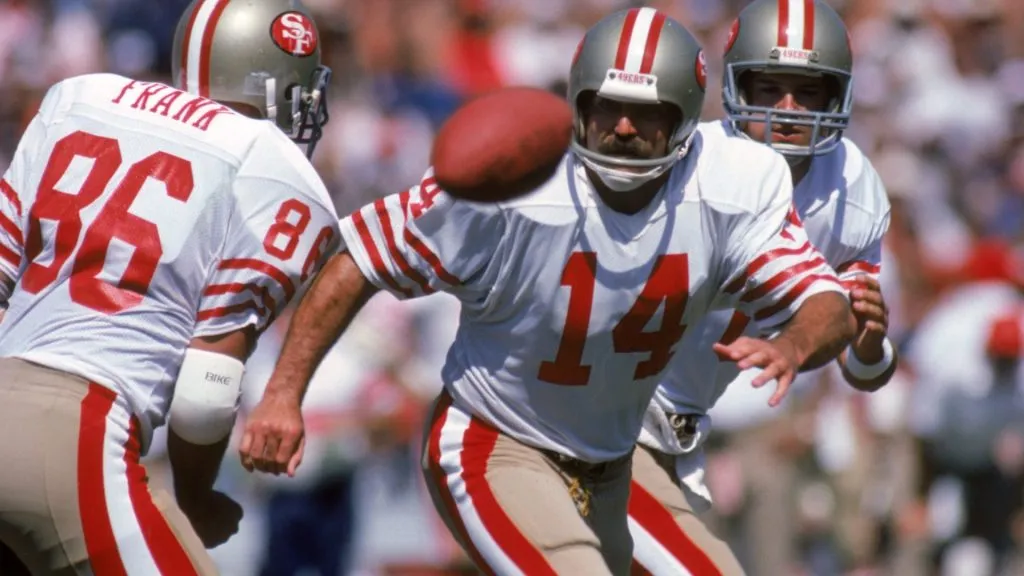
Ray Wersching #14 of the San Francisco 49ers goes after the ball after a blocked field goal attempt during a game in 1985. (Source: George Rose/Getty Images)
While kickers often fly under the radar, Ray Wersching carved out a place in 49ers history as one of the most reliable special-teamers the franchise ever had. He played a pivotal role in both Super Bowl XVI and XIX victories, including a record-tying four field goals in the first title game. Wersching’s calm under pressure gave San Francisco the stability every champion needs.
Tim McDonald
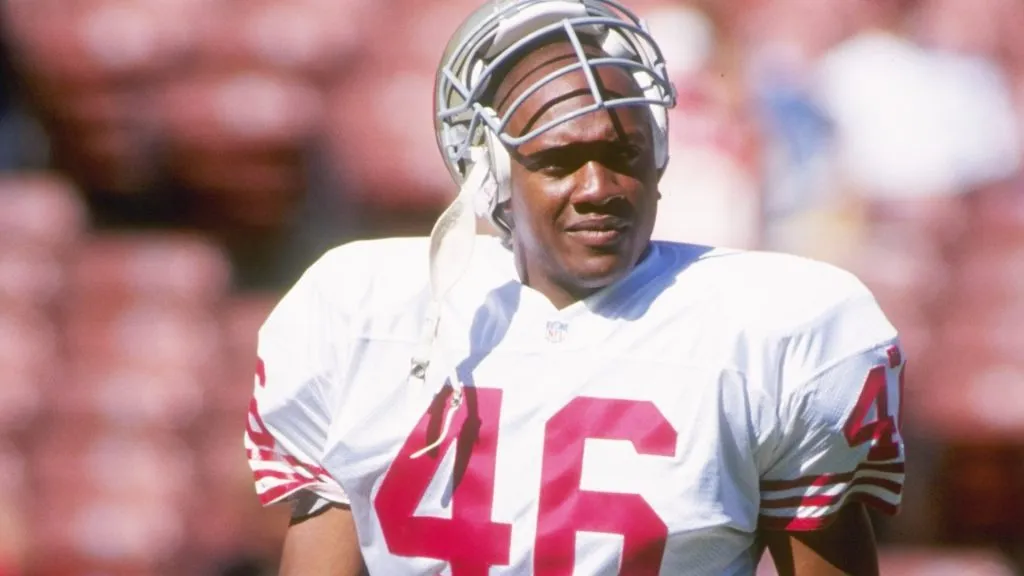
Tim McDonald of the San Francisco 49ers looks on during a preseason game in 1995. (Source: Otto Greule Jr. /Allsports)
Arriving in the ’90s, Tim McDonald quickly became the defensive leader San Francisco needed in its post-dynasty chapter. A six-time Pro Bowler, he brought a veteran presence and a knack for big plays, helping the 49ers capture another Super Bowl in the 1994 season. His leadership in the secondary ensured the defense remained as feared as its legendary offense.
Ronnie Lott
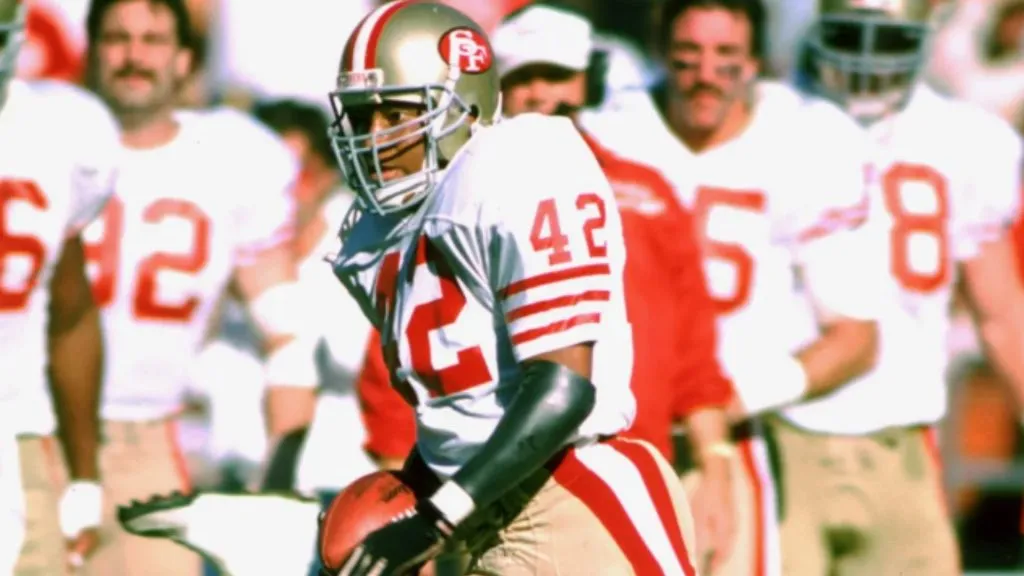
Ronnie Lott (Source: NFL)
Ronnie Lott wasn’t just a player; he was an enforcer. Known for bone-rattling hits and relentless toughness, Lott set the tone for the 49ers’ defense throughout the ’80s. A Hall of Famer and four-time Super Bowl champion, he famously had part of his finger amputated rather than miss game time. Lott embodied the franchise’s grit and glory, making him one of the most iconic defenders in NFL history.
Eric Wright
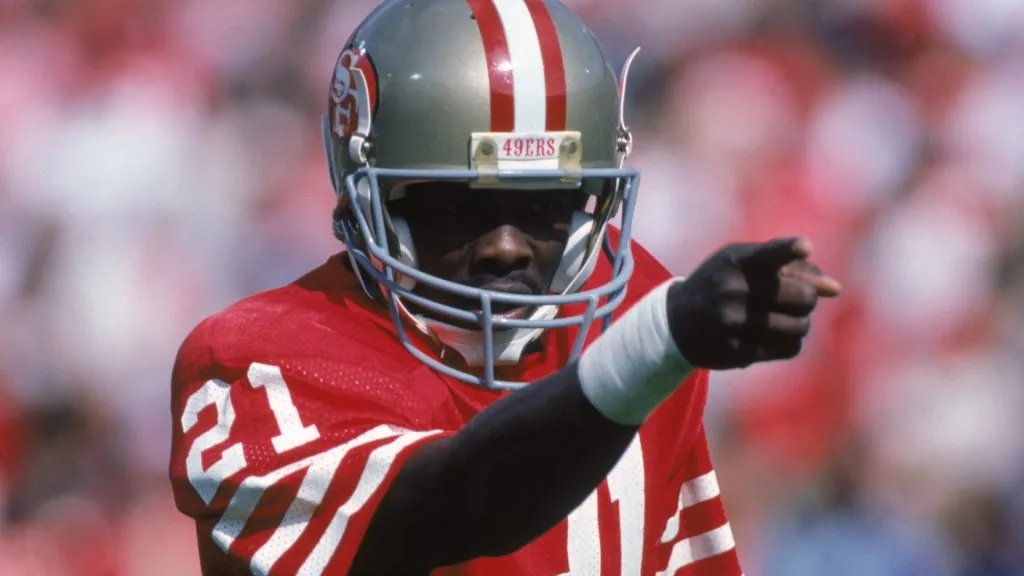
Eric Wright #21 of the San Francisco 49ers points across the field against the New Orleans Saints during a game in 1985. (Source: George Rose/Getty Images)
In the dynasty years of the 1980s, Eric Wright was the defensive back who thrived when the spotlight was brightest. His interceptions in pivotal playoff games—most memorably in Super Bowl XVI—helped secure the 49ers’ first championship. Wright’s mix of agility and composure made him a vital part of San Francisco’s dominance, often overshadowed by offensive stars but never forgotten by teammates and fans.
Jimmy Johnson
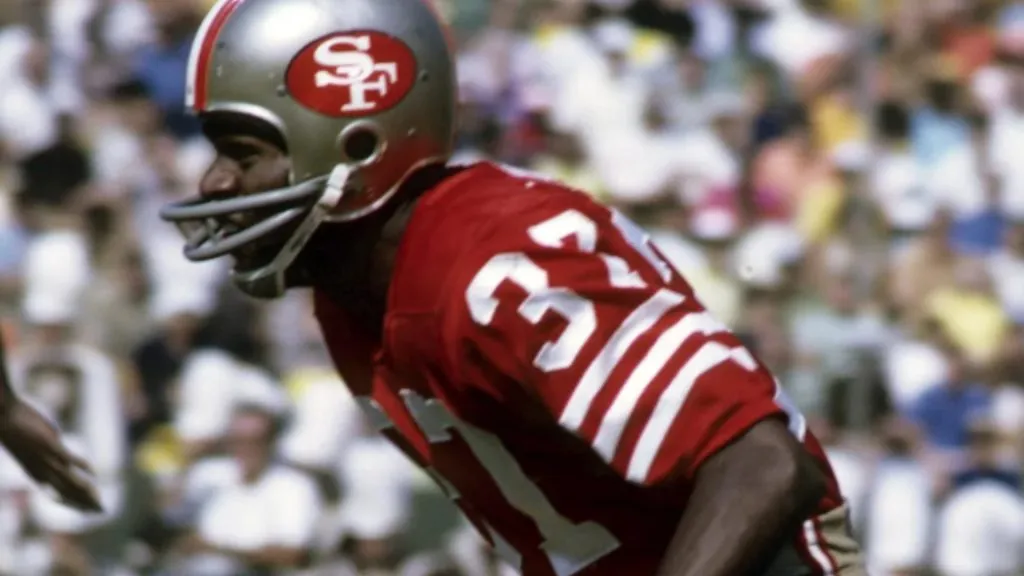
Jimmy Johnson (Source: NFL)
Few players in 49ers history embody consistency quite like Jimmy Johnson. A cornerstone at cornerback during the 1960s and ’70s, Johnson’s speed and football IQ allowed him to shut down the league’s best receivers.
Inducted into the Hall of Fame in 1994, his reputation as one of the NFL’s most reliable defenders remains untouchable, bridging the gap between the franchise’s early struggles and the foundation for future success.
Patrick Willis
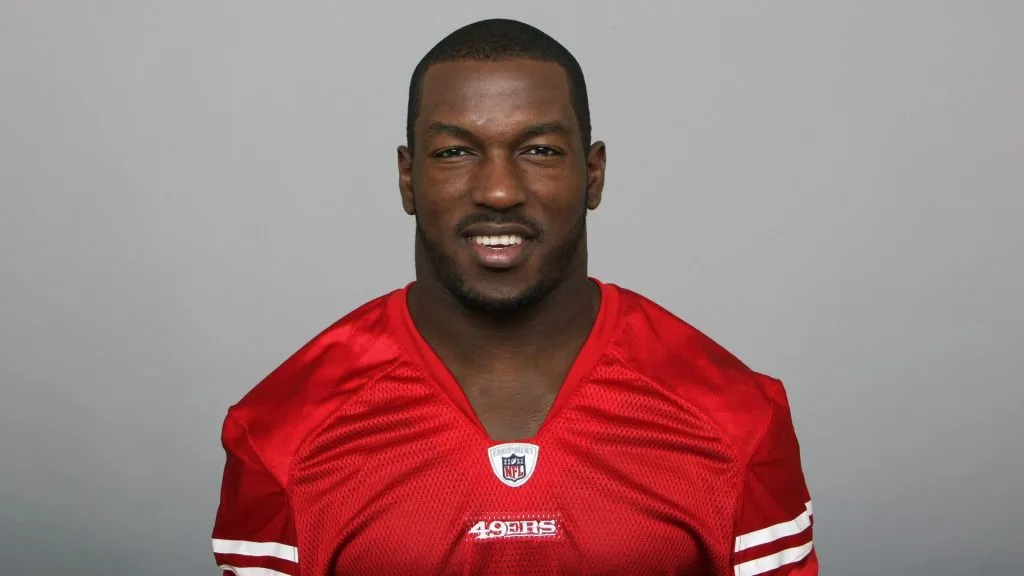
Patrick Willis of the San Francisco 49ers poses for his 2009 NFL headshot. (Source: NFL Photos and Getty Images)
Patrick Willis exploded onto the scene with impact and didn’t let off. From winning Defensive Rookie of the Year in 2007 to amassing five First-Team All-Pro nods and seven Pro Bowls in his eight-year career, Willis was the modern archetype of the complete linebacker.
He topped the NFL in tackles twice and anchored the defense with ferocity and instincts that earned him the Hall of Fame nod in 2024—a testament to how quickly brilliance can carve its place in history.
Charles Haley
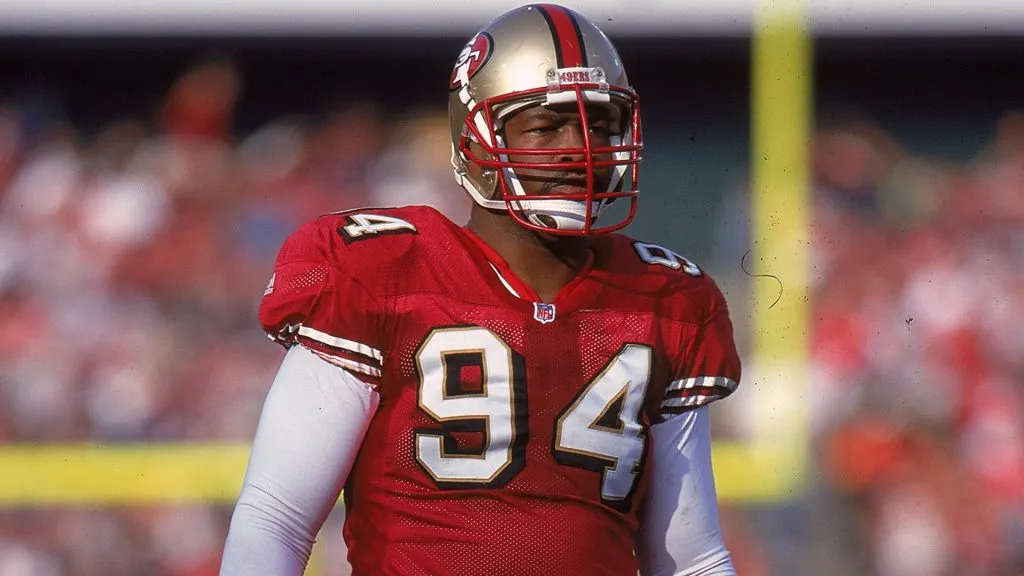
Charles Haley #94 of the San Francisco 49ers looks on from the field during a game in 1999. (Source: Tom Hauck /Allsport)
Charles Haley was the uncontainable energy that ignited championships. As the NFL’s first five-time Super Bowl champion—two with the 49ers, three with the Cowboys—his tally of rings redefined defensive excellence.
A relentless edge rusher with two All-Pro seasons, five Pro Bowls, and a ferocious, unfiltered style, Haley played pivotal roles in Super Bowls XXIII and XXIV for San Francisco. He later turned his personal struggle with bipolar disorder into advocacy, supporting mental health and mentoring new generations.
Dave Wilcox
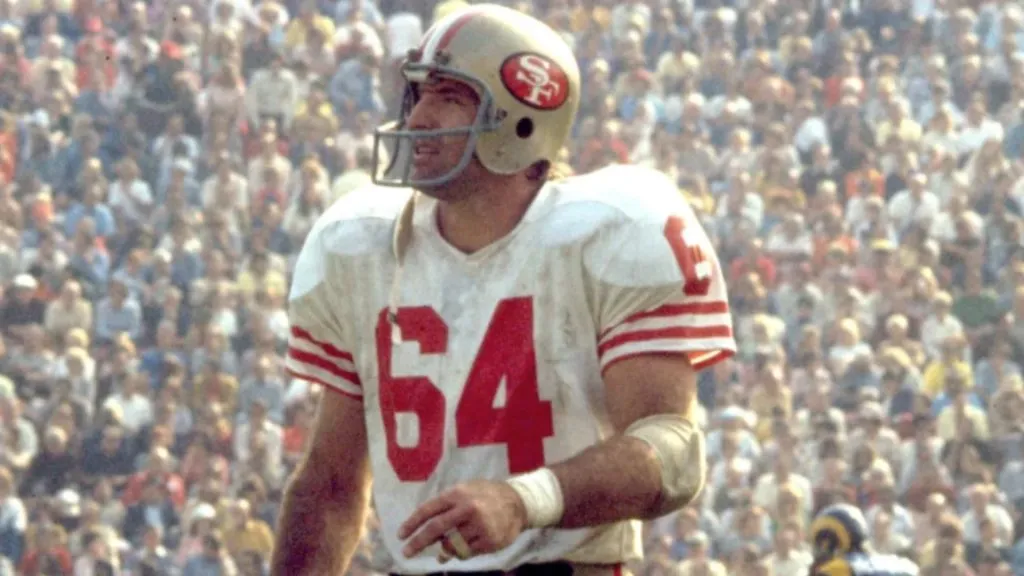
Dave Wilcox (Source: NFL)
Dave “The Intimidator” Wilcox was the visceral force at the second level. With seven Pro Bowls and multiple All-Pro nods between 1964 and 1974, he defined physical mastery at linebacker before such traits were commonplace. A Hall of Famer whose aggression shaped the 49ers’ defensive identity, Wilcox embodied the era when linebackers made you think twice before running through midfields.
Bryant Young
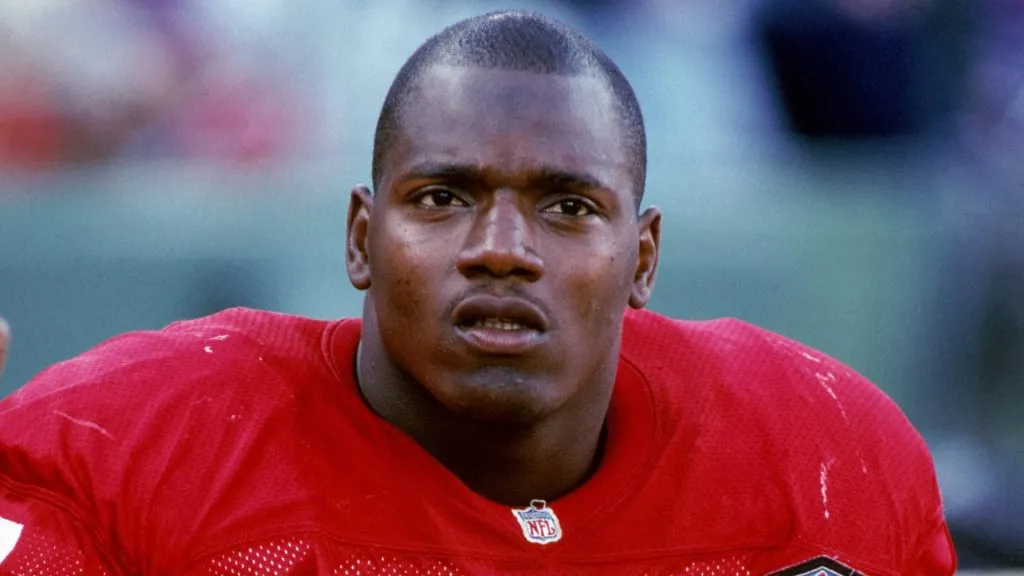
Bryant Young #97 of the San Francisco 49ers sits on the bench during a preseason game in 1994. (Source: George Rose/Getty Images)
Bryant Young was not just a defensive tackle—he was the heartbeat of resilience and leadership on 49ers defense. Drafted in 1994, he racked up 89.5 sacks (a franchise record for a DT) and rebounded from a devastating 1998 leg injury to win the Comeback Player of the Year in 1999.
With a ceremony at last in 2022, Young entered Canton as a Hall of Famer and had already been a prodigious recipient of the Len Eshmont Award—eight times, the most in franchise history.
Leo Nomellini
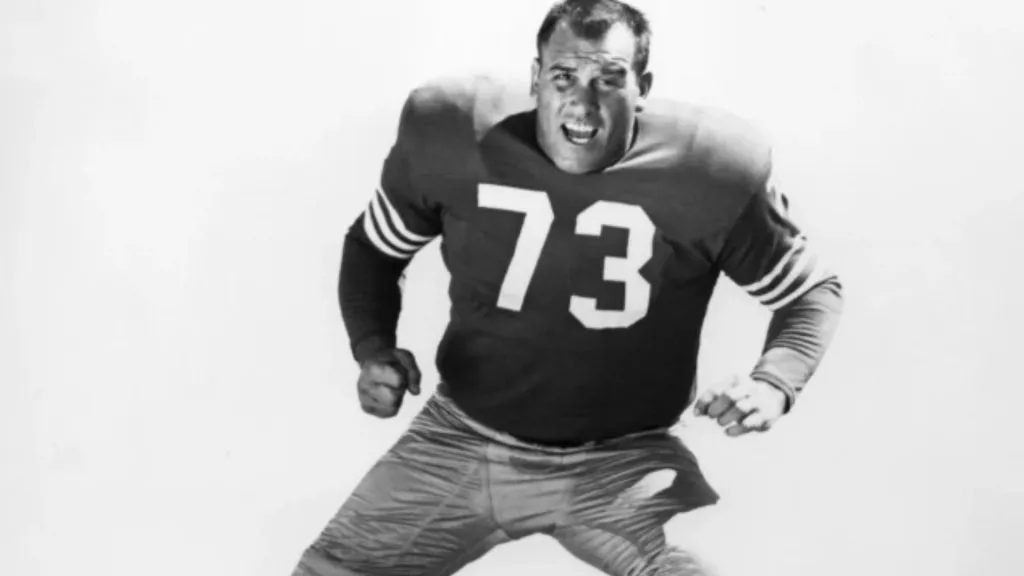
Leo Nomellini (Source: NFL)
Leo “The Lion” Nomellini arrived from Italy with the ferocity of a legend in training. The 49ers’ first-ever NFL draft pick (1950), he played both offensive and defensive tackle—with All-Pro honors on both sides of the ball.
His baseline was durability—14 seasons, 174 games, without missing a beat—earning ten Pro Bowls and respect as one of the league’s true foundational forces. “He was as strong as three bulls,” teammate Joe Perry said—an apt encapsulation of his dual-threat mastery.
Justin Smith
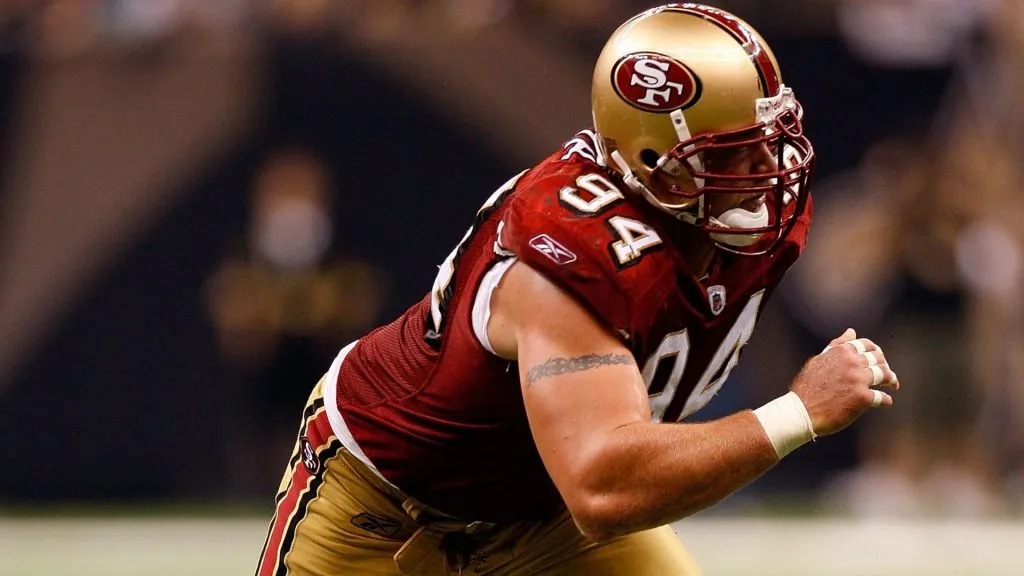
Justin Smith #94 of the San Francisco 49ers rushes during the game against the New Orleans Saints in 2008. (Source: Chris Graythen/Getty Images)
Justin Smith was the silent varnish on a feral defensive canvas. After joining the 49ers in 2008, he emerged as a pillar—five Pro Bowls in a row, Defensive Player of the Year in 2011, and a mentor whose impact was as much in leadership as in doubled blockers and collapsing pockets.
Fans recall his relentless technique even more than the sacks: as one once put it, “He wasn’t talked about enough… but he allowed other defensive players to make plays”.
Cedrick Hardman
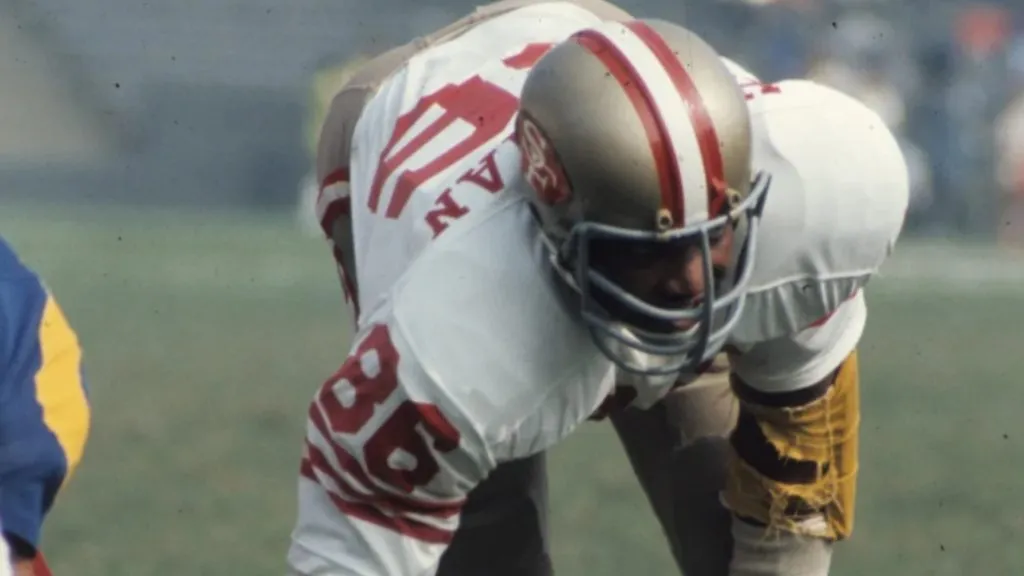
Cedrick Hardman (Source: NFL)
Cedrick Hardman prowled the edges like a force of nature. With an unofficial franchise-record 112.5 sacks before the stat was even tracked, he anchored the 1970s “Gold Rush” defensive line—a perpetual menace to quarterbacks and a two-time Pro Bowler.
In the 1971 season alone, he reportedly tallied eighteen sacks in fourteen games—some said even twenty-one—and delivered five in the NFC Championship, carving fear into opposing backfields. “Rushing the quarterback… was my main reason for living,” he once said—a devotion as cinematic as any Hollywood script.
Forrest Blue
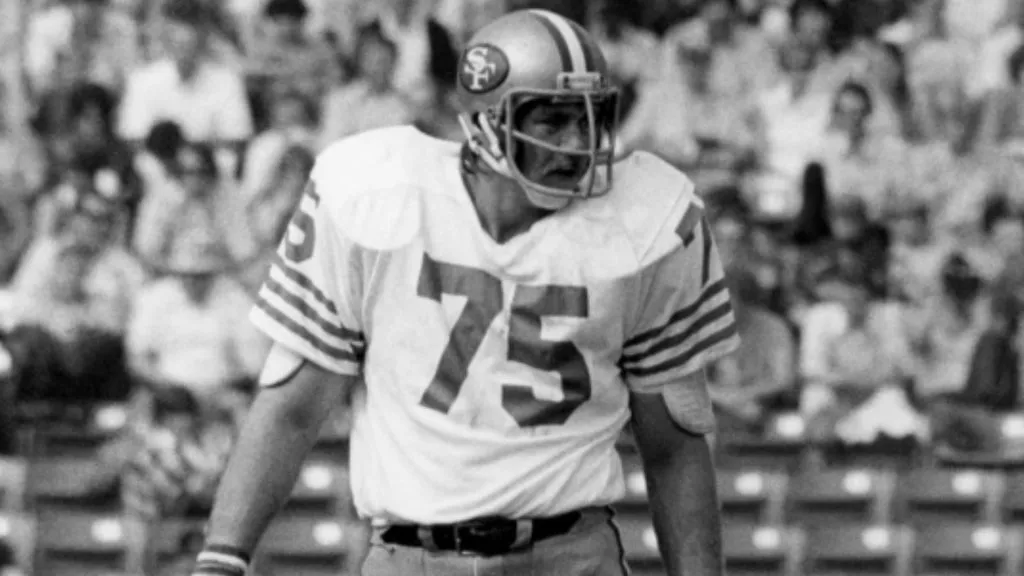
Forrest Blue (Source: NFL)
Forrest Blue was the archetype of unsung iron-clad excellence. Anchoring the center of the line during San Francisco’s early ’70s rebirth, he started every game from 1969 to 1974 and earned four Pro Bowls and three straight NFC West titles—silent testimony to his reliability and quiet dominance.
His post-football life was as substantive as his playing days—he founded a development company and grappled privately with dementia linked to his gridiron sacrifices.
Randy Cross
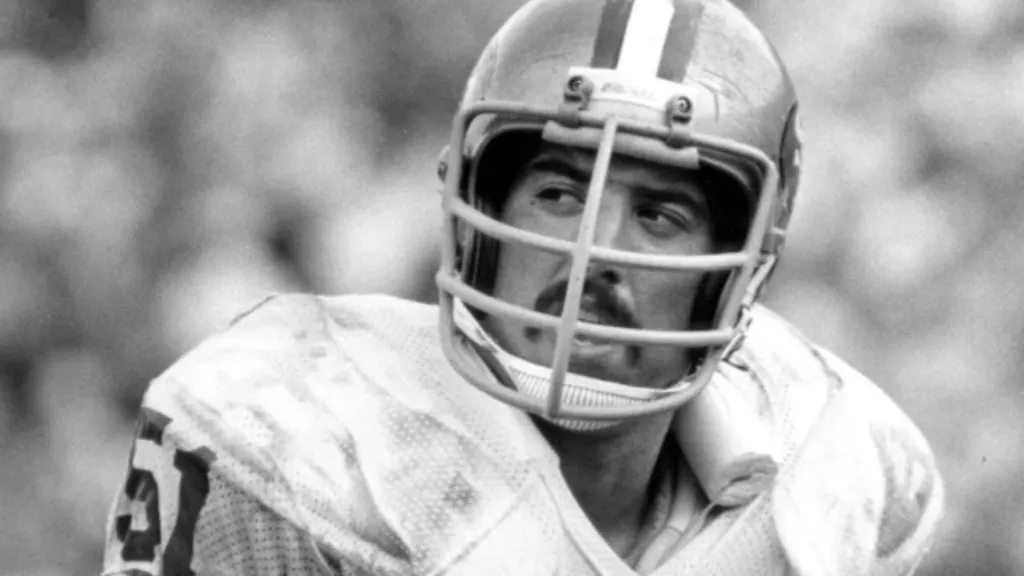
Randy Cross (Source: NFL)
Randy Cross represented the heartbeat of the offensive line during the formative years of the 49ers’ dynasty. Playing both guard and center across 13 seasons, Cross was a three-time Pro Bowler and a steadying force in front of Montana.
Known for his intelligence and technique, he became a leader on and off the field, mentoring younger linemen while maintaining his own high standard of play. Cross’s fingerprints are all over San Francisco’s first three Super Bowl championships, making him one of the foundational figures of the dynasty era.
Guy McIntyre
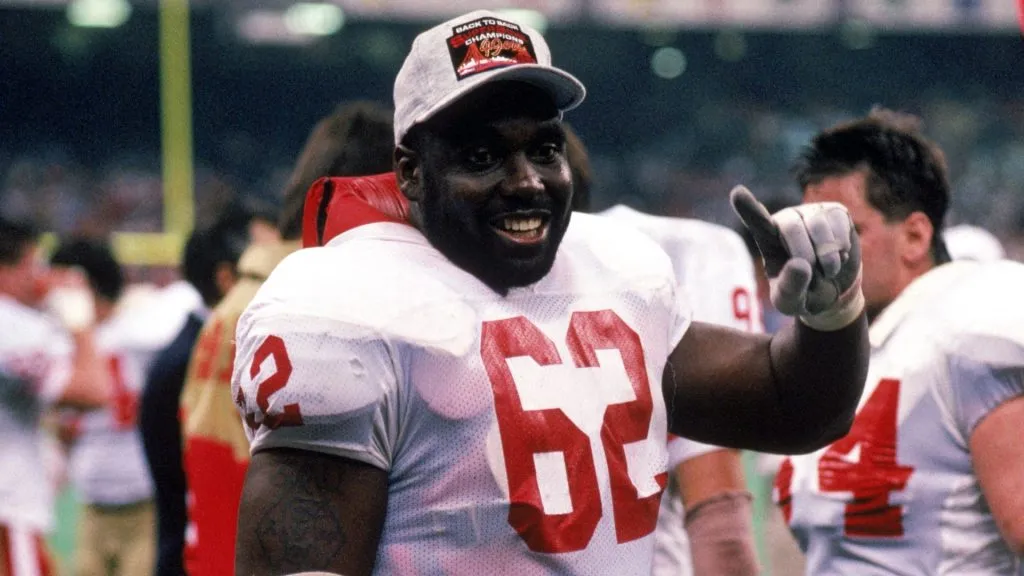
Guy McIntyre #62 of the San Francisco 49ers celebrates on the sidelines in Super Bowl XXIV. (Source: George Rose/Getty Images)
While often overshadowed by the flashier stars around him, Guy McIntyre was a crucial cog in the 49ers’ machine during the dynasty years. As a guard, he brought versatility and grit, earning three Pro Bowl appearances while helping to protect both Montana and Young.
McIntyre also became known for his role in Bill Walsh’s inventive use of the “Angus” formation, lining up at fullback in short-yardage situations. His adaptability made him the kind of unsung hero every dynasty needs: rarely in the spotlight, but indispensable to the team’s success.
Joe Staley
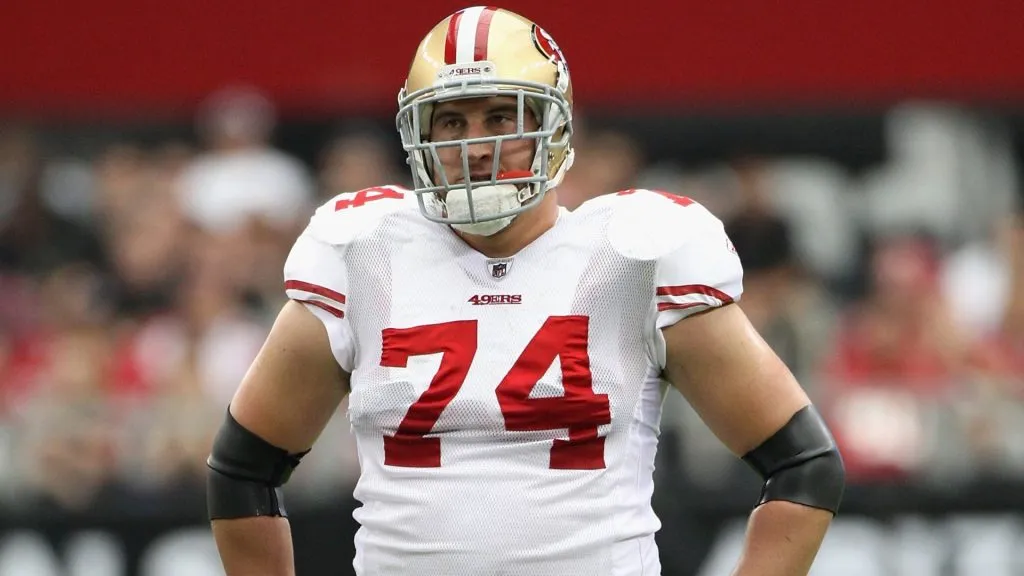
Joe Staley #74 of the San Francisco 49ers during the NFL game against the Arizona Cardinals in 2009. (Source: Christian Petersen/Getty Images)
For over a decade, Joe Staley was the steady cornerstone of the 49ers’ offensive line. Drafted in 2007, he went on to start 181 games across 13 seasons, earning six Pro Bowl nods.
Staley was the kind of player teammates admired not only for his durability, but for his leadership — a veteran presence who guided the locker room through years of ups and downs, from rebuilding phases to the team’s return to the Super Bowl in 2012 and 2019.
Retiring in 2020, Staley left behind a reputation as one of the finest left tackles of his generation, a modern legend who carried the torch for the franchise’s line play.
Bob St. Clair
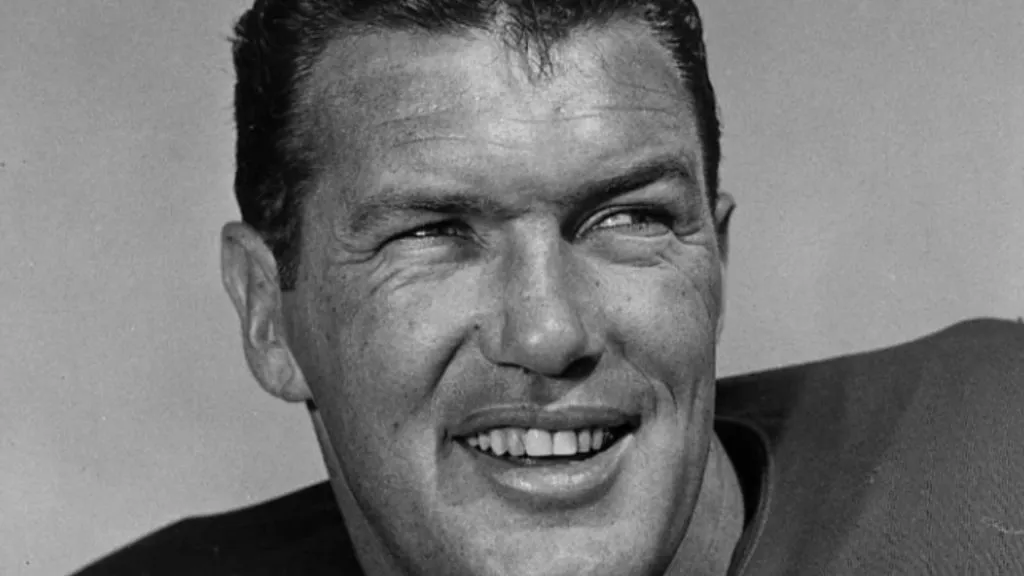
Bob St. Clair (Source: NFL)
At 6-foot-9, Bob St. Clair was an imposing presence long before offensive linemen grew into the giants we know today. Playing in the 1950s and early ’60s, St. Clair was the anchor of San Francisco’s offensive line, earning five Pro Bowl selections and eventual induction into the Hall of Fame.
Known for his toughness, he famously played through a broken jaw by sticking to a liquid diet just to stay on the field. A San Francisco native who played college ball locally, St. Clair embodied the connection between the 49ers and their city, bridging the early years of the franchise with its later rise to prominence.
Vernon Davis
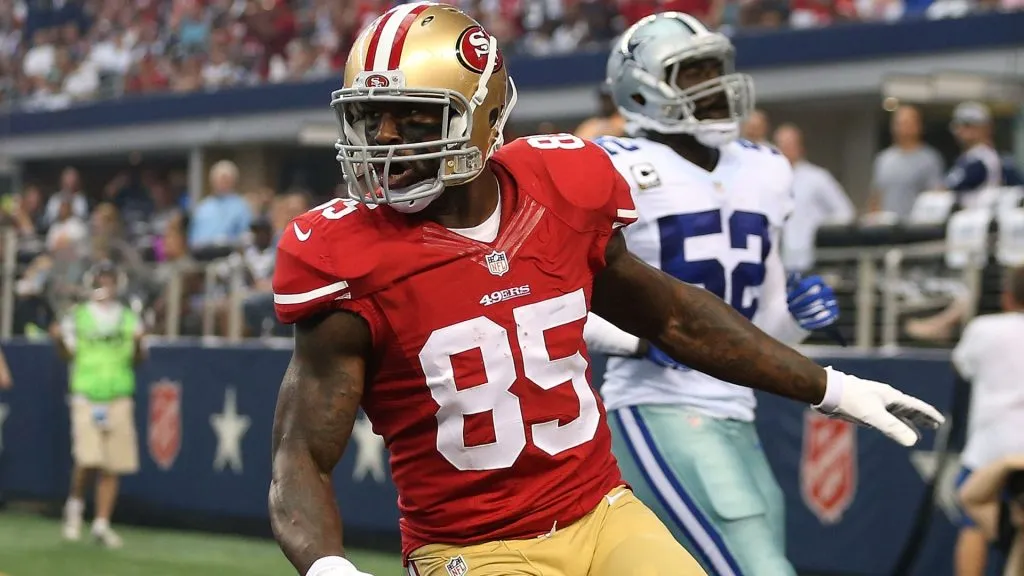
Vernon Davis #85 of the San Francisco 49ers reacts after scoring a touchdown in 2014. (Source: Christian Petersen/Getty Images)
When Vernon Davis entered the league in 2006, he represented the prototype of the modern tight end: big, fast, and able to split out wide like a receiver. His career in San Francisco was defined by raw athleticism and emotional intensity. Davis earned two Pro Bowl nods and became a central figure in the 49ers’ resurgence under coach Jim Harbaugh.
His “Vernon Post” touchdown against the Saints in the 2011 playoffs stands among the most dramatic moments in franchise history. Beyond the field, Davis reinvented himself as an actor and entrepreneur, but his on-field legacy remains that of a player who changed expectations for his position.
Terrell Owens
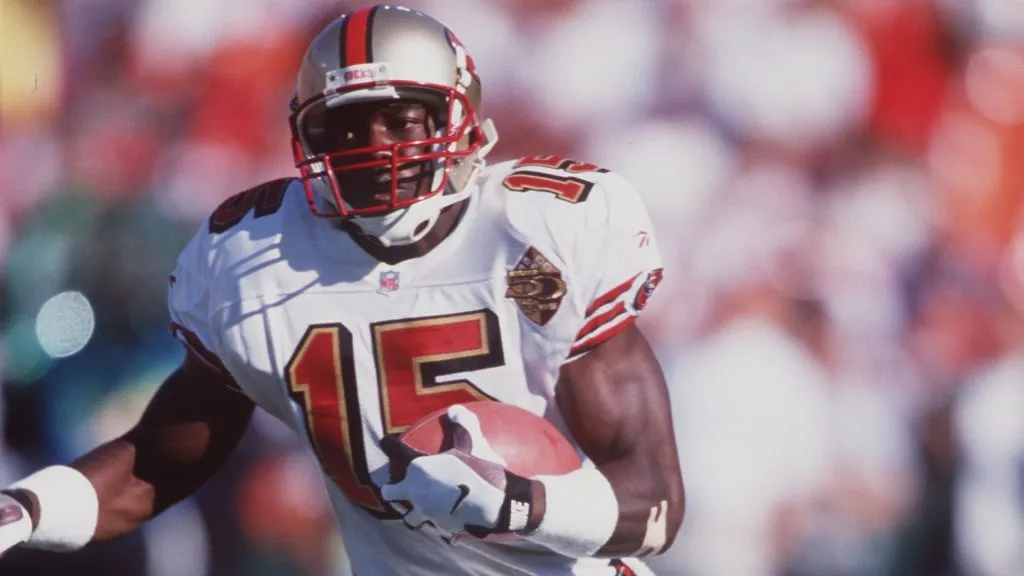
Terrell Owens of the San Francisco 49ers carries the football during the 49ers versus San Diego Chargers game in 1996. (Source: Jed Jacobsohn/ALLSPORT)
If Rice was refinement, Terrell Owens was raw electricity. Explosive, controversial, and impossible to ignore, Owens brought a combustible mix of talent and personality to San Francisco.
A five-time Pro Bowler with the 49ers, he produced unforgettable moments, none more iconic than his game-winning catch against the Packers in the 1998 Wild Card game — forever remembered as “The Catch II.”
But Owens was also a lightning rod: his elaborate celebrations and clashes with teammates made headlines just as often as his highlight-reel plays. Love him or hate him, Owens forced his way into the NFL spotlight and left as one of the most productive receivers ever.
Jerry Rice
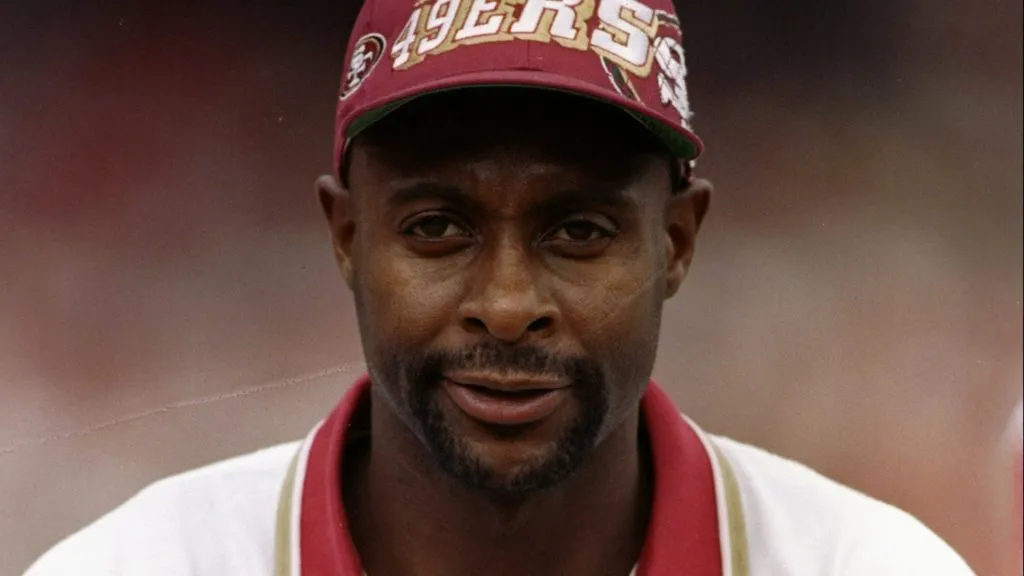
Jerry Rice of the San Francisco 49ers looks on during a game against the New Orleans Saints in 1977. (Source: Todd Warshaw /Allsport)
Jerry Rice’s name is synonymous with greatness. Universally considered the greatest wide receiver — and arguably the greatest player — in NFL history, Rice rewrote the record books with numbers that remain untouchable: 1,549 catches, 22,895 yards, and 197 touchdowns.
His work ethic was as legendary as his production, with grueling offseason hill sprints that became part of his myth. Beyond the statistics, Rice was a performer under pressure, thriving in big games and lifting the 49ers to three Super Bowl victories. His precision routes and unbreakable hands turned routine plays into art. More than a 49er, Rice became the face of football’s golden age.
Roger Craig
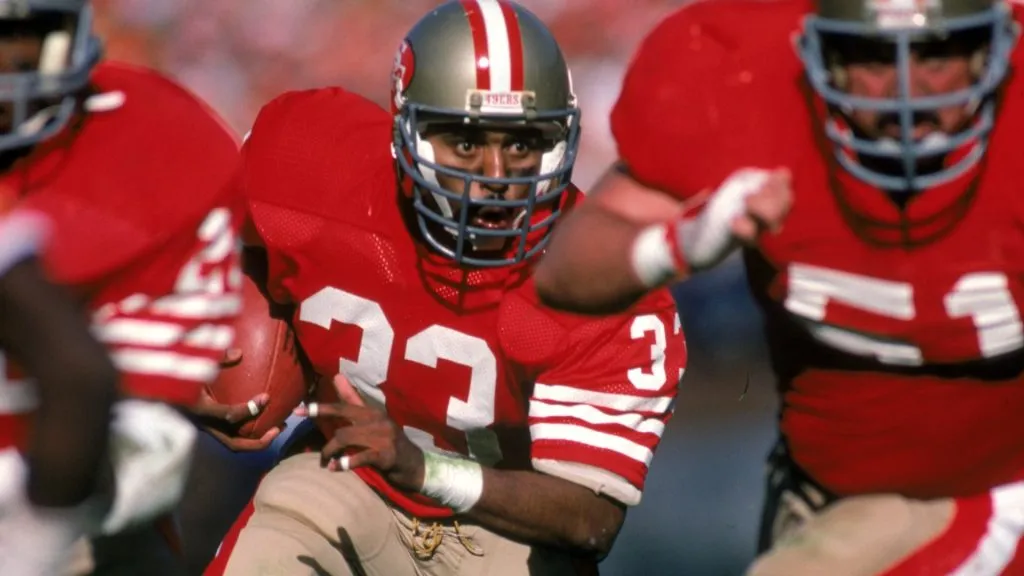
Roger Craig #33 of the San Francisco 49ers follows his lead blocker offensive guard Randy Cross #51 against the Buccaneers in 1984. (Source: George Rose/Getty Images)
In an era when running backs were expected to stick between the tackles, Roger Craig broke the mold. He was the first player ever to record 1,000 yards rushing and 1,000 yards receiving in the same season (1985), turning himself into a dual-threat nightmare for defenses.
A central figure in the 49ers’ three Super Bowl titles during his time, Craig’s upright running style and versatility made him a perfect fit for Bill Walsh’s offensive vision. His ability to stretch the field and contribute as both a runner and pass-catcher laid the blueprint for the modern all-purpose back.
Joe Perry
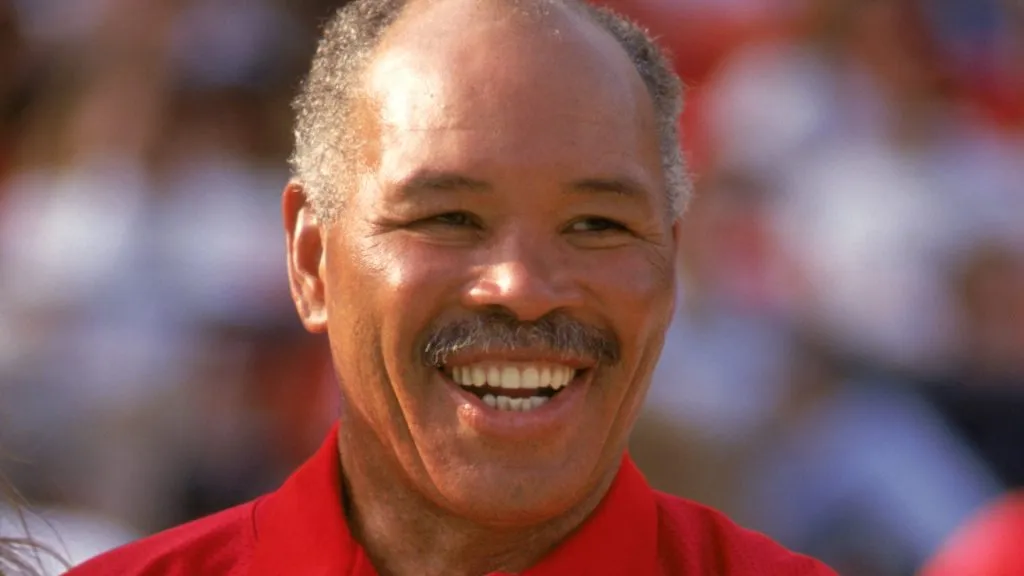
Joe Perry attends a game between the San Francisco 49ers and New Orleans Saints in 1992. (Source: George Rose/Getty Images)
Before the bright lights of the dynasty years, Joe “The Jet” Perry was blazing his own trail. A member of the legendary “Million Dollar Backfield” of the 1950s, Perry became the first player in NFL history to rush for 1,000 yards in consecutive seasons.
He was quick, powerful, and relentless, redefining the fullback position at a time when offenses still leaned on brute force. Perry retired as the league’s all-time rushing leader and held San Francisco’s franchise rushing record for decades. His career was not just about numbers, but about pioneering a style of play that helped elevate the 49ers into a team of national relevance long before the Montana years.
Joe Montana
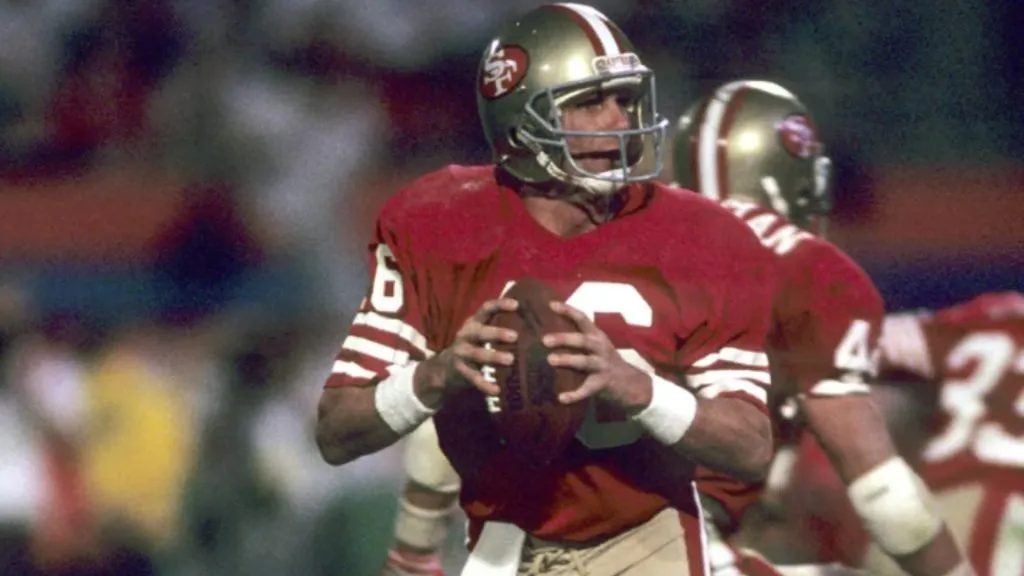
Joe Montana (Source: NFL)
Few quarterbacks have ever carried the aura of inevitability quite like Joe Montana. Known as “Joe Cool” for his composure under pressure, Montana was the architect of four Super Bowl victories and the author of some of football’s most iconic drives.
His calm in the final moments of Super Bowl XXIII — a 92-yard march capped with a touchdown pass to John Taylor — remains the textbook example of grace under fire. With three Super Bowl MVPs and two league MVPs, Montana set the bar for what it means to be a franchise quarterback. His connection with Bill Walsh’s West Coast offense made the 49ers the team of the decade in the 1980s.