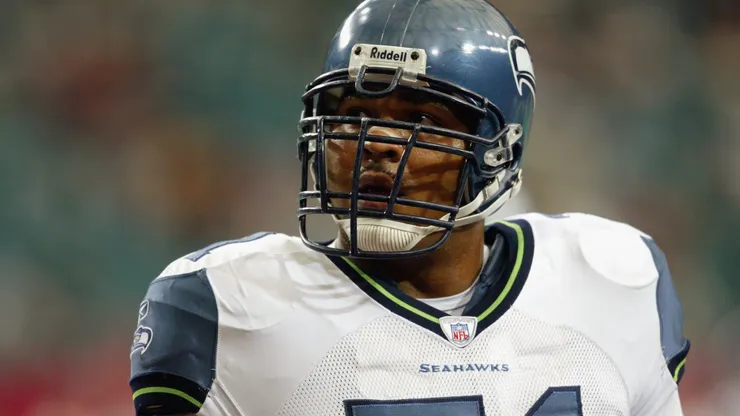
Seahawks’ story is lined with figures who shaped it from the ground up, weaving grit, spectacle, and unexpected brilliance into the team’s identity. Some rose quietly, others exploded onto the scene, but each left a mark that lingers today.
The roster has shifted through eras of bruising defense, daring offense, and charismatic leaders who ignited crowds. Their plays live beyond highlight reels, echoing through NFL seasons where resilience meant everything.
From unsung grinders to trophy-hoisting icons, the evolution of Seattle’s greats reveals moments shaped by tension, triumph and grit. Their stories intersect in ways that trace the soul of a franchise still writing its own spirited legacy.
Walter Jones
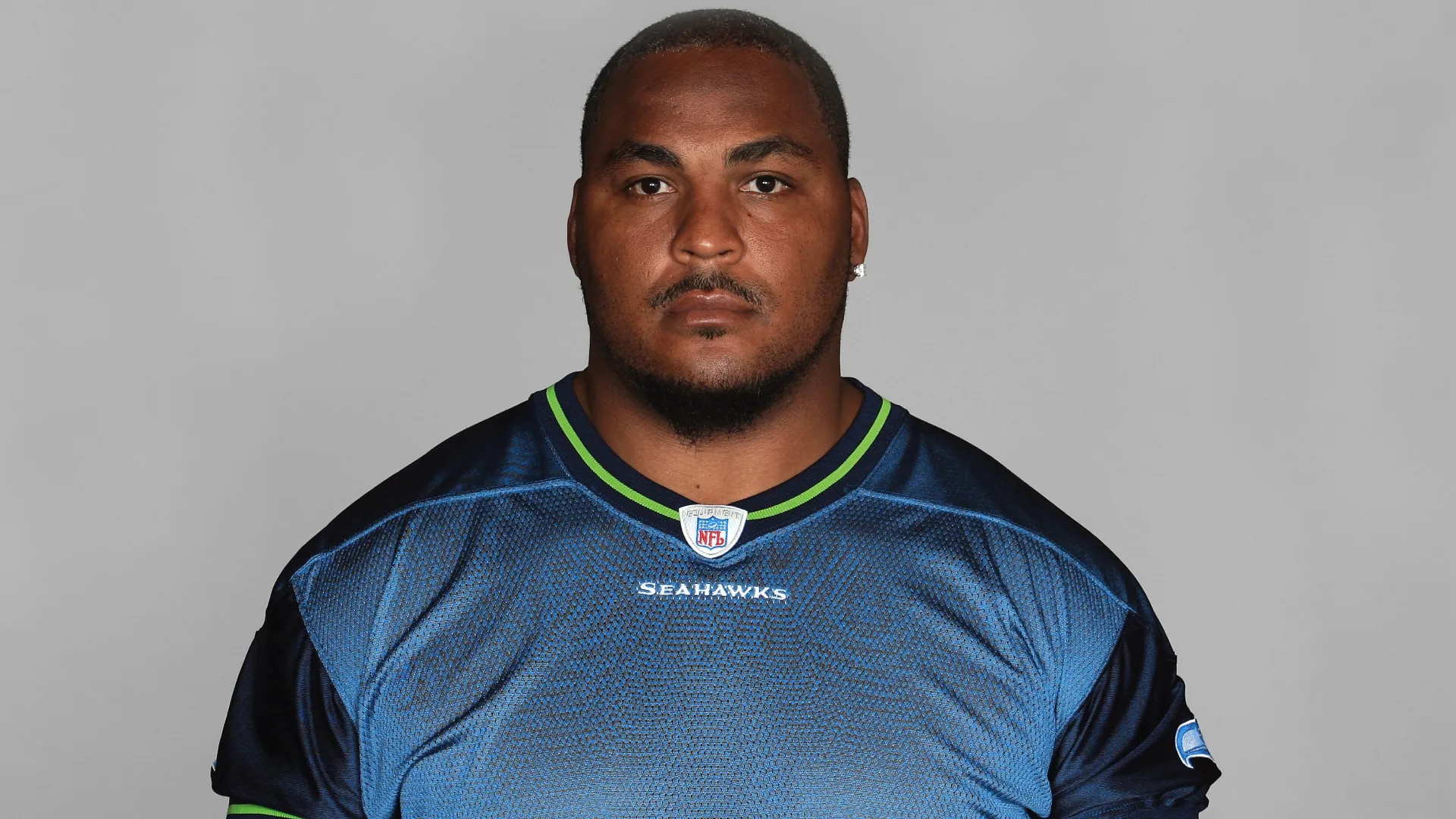
Walter Jones (Source: Getty Images)
The history of the Seattle Seahawks’ transition from a middling franchise to a Super Bowl contender cannot be told without highlighting the left tackle position. Walter Jones wasn’t just an offensive lineman; he was the bedrock upon which an entire era of offense was built, and arguably the most consistently dominant player in franchise history.
A nine-time Pro Bowler and six-time First-Team All-Pro, his impact transcended the box score. His job was quiet, but his excellence was deafening. Over his 12 seasons, he became the unyielding “wall” that allowed Shaun Alexander to secure his MVP season and record-breaking touchdown total in 2005.
While the spotlight often went to the running backs and quarterbacks, Jones was the one who ensured that glory was even possible. A true Master of Offense, his 2014 Hall of Fame induction validated that greatness is measured not just in flashy stats, but in the art of perfect protection.
Russell Wilson
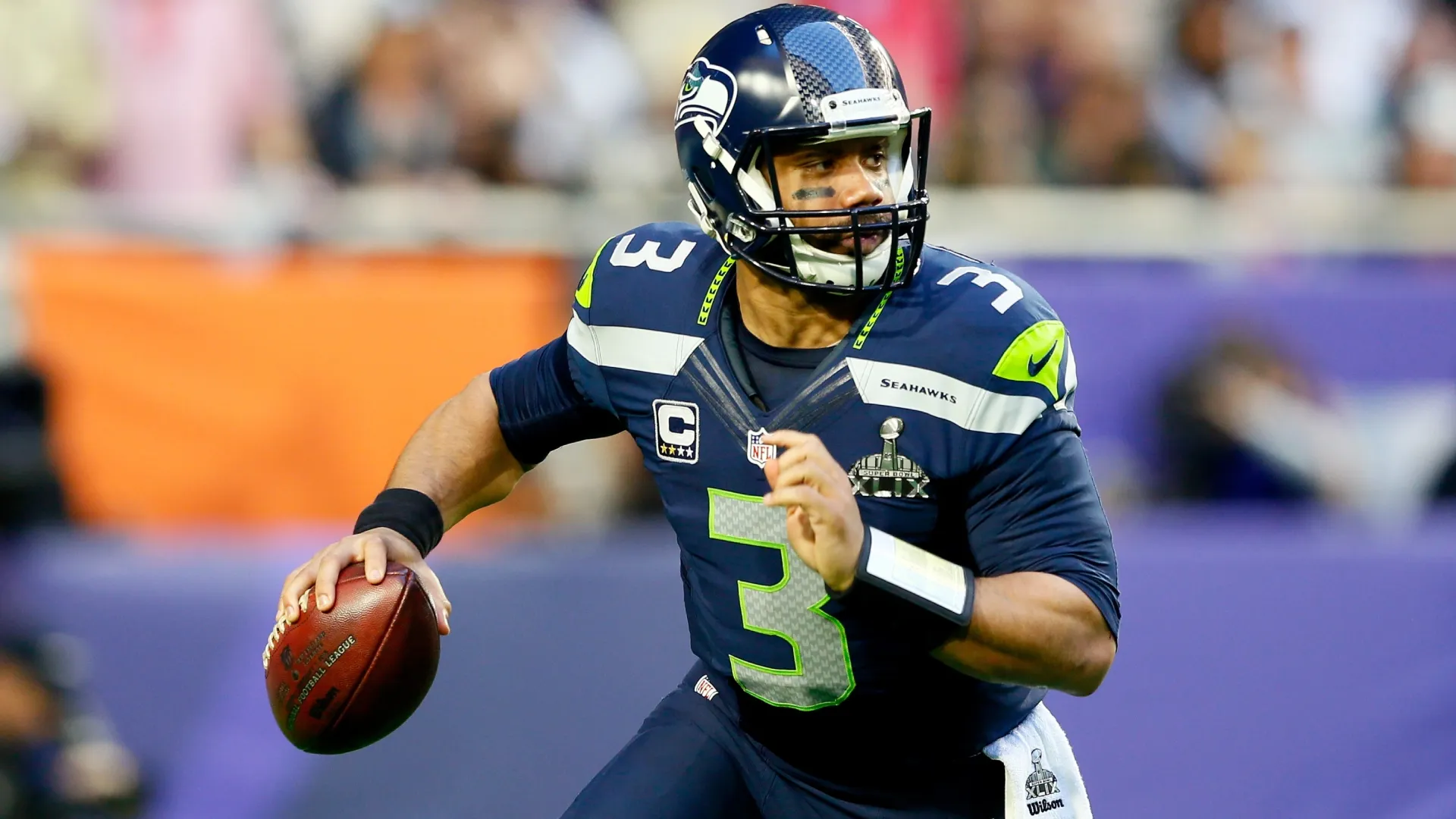
Russell Wilson (Source: Kevin C. Cox/Getty Images)
Russell Wilson stands as the definitive catalyst who transformed the Seahawks into a Super Bowl-winning franchise. Arriving as an overlooked third-round pick in 2012, he shattered all expectations to become one of the most influential quarterbacks of his generation and the offensive heartbeat of Seattle for a decade.
What set him apart wasn’t just his arm talent; it was his instinct as a dual-threat quarterback and his exceptional longevity, earning nine Pro Bowl selections during his Seattle tenure.
Wilson guided the team to back-to-back Super Bowls, clinching the franchise’s first title in Super Bowl XLVIII. His ability to extend plays and his “win-at-all-costs” mentality defined the team’s identity. While his departure was sudden, his legacy as the franchise’s most decorated quarterback is unassailable.
Cortez Kennedy
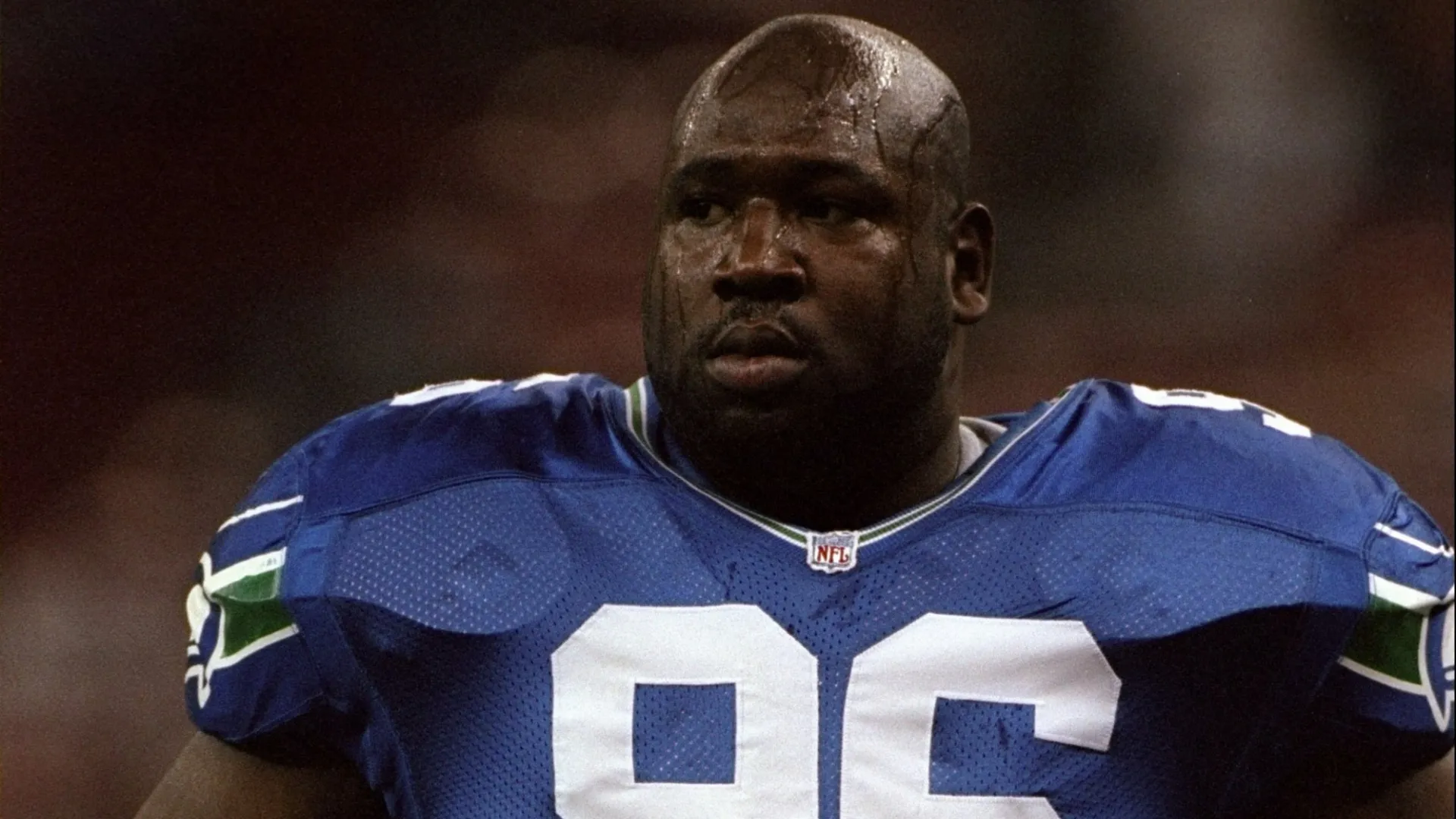
Cortez Kennedy (Source: Otto Greule Jr. /Allsports)
Some players shine brightest on winning teams, and then there is Cortez Kennedy, whose brilliance defied mediocrity. As a full-time defensive tackle for the Seahawks, he utterly dominated the line of scrimmage despite the team’s frequent struggles, an achievement that highlights his sheer individual greatness.
His career peak came in the 1992 season, where he was named the NFL Defensive Player of the Year even though Seattle finished with a dismal 2-14 record—an accomplishment almost unheard of in league history.
He was a force of nature, collecting 14 sacks that year, a staggering number for an interior lineman. Often double- or even triple-teamed, his durability and ability to accumulate tackles and pressure the quarterback made him an NFL 1990s All-Decade Team member. He was the Defensive Monster who epitomized tireless dedication.
Bobby Wagner
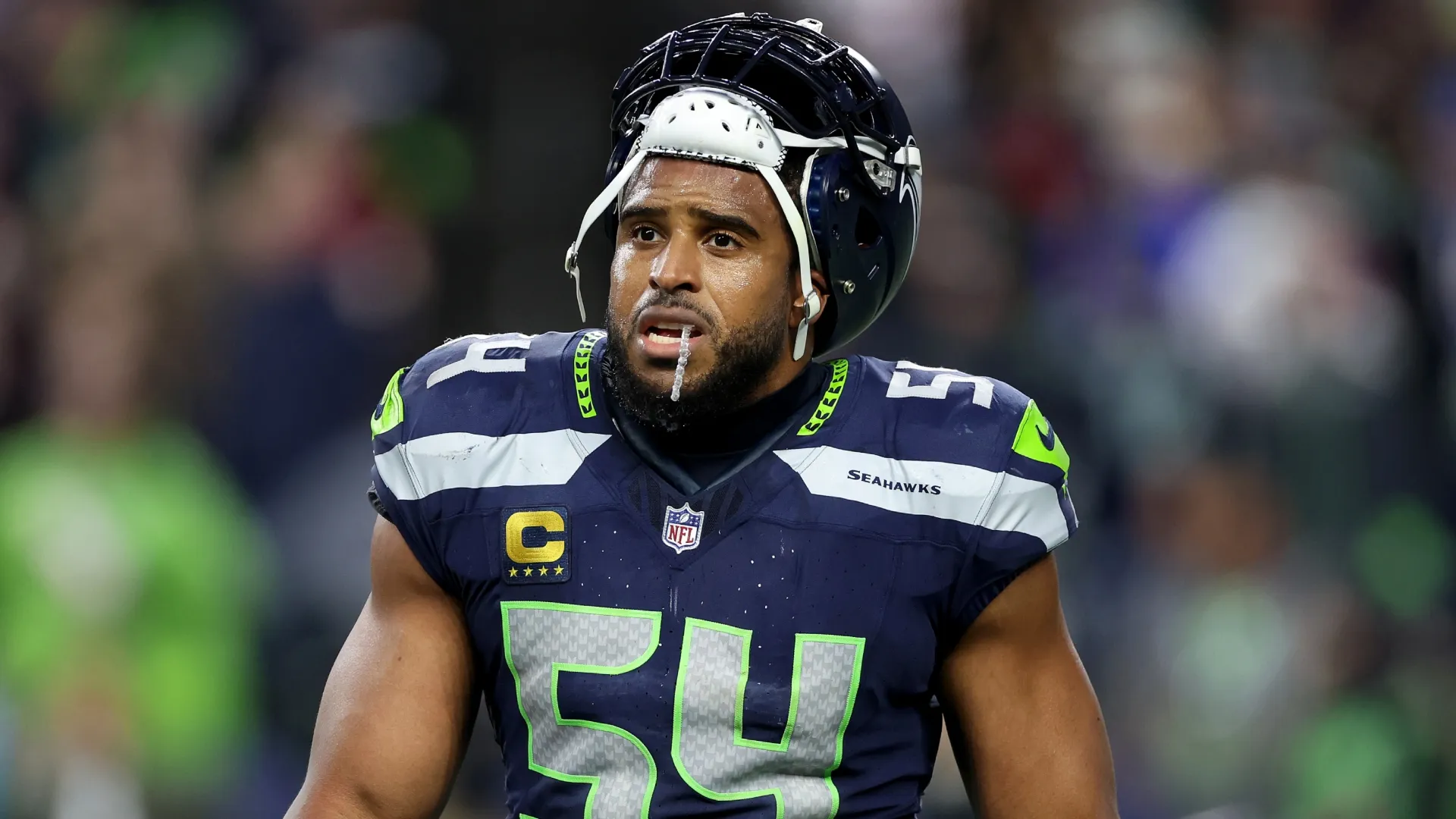
Bobby Wagner (Source: Steph Chambers/Getty Images)
If the “Legion of Boom” was the iron fist of the Seattle defense, Bobby Wagner was unequivocally the strategic brain and the soul of the unit. Drafted in the same 2012 class as Russell Wilson, he instantly established himself as the central figure of the defense.
As an inside linebacker, he combined elite speed with superior defensive intellect. He stands as the franchise’s all-time tackles leader, demonstrating unmatched production and longevity. With six First-Team All-Pro selections during his initial Seahawks tenure, he not only dictated the defense with his calls but was also an example of unflinching consistency.
His 2016 season, where he led the entire NFL in total tackles, cemented his status as one of the most decorated linebackers of the modern era and the team’s spiritual captain.
Shaun Alexander
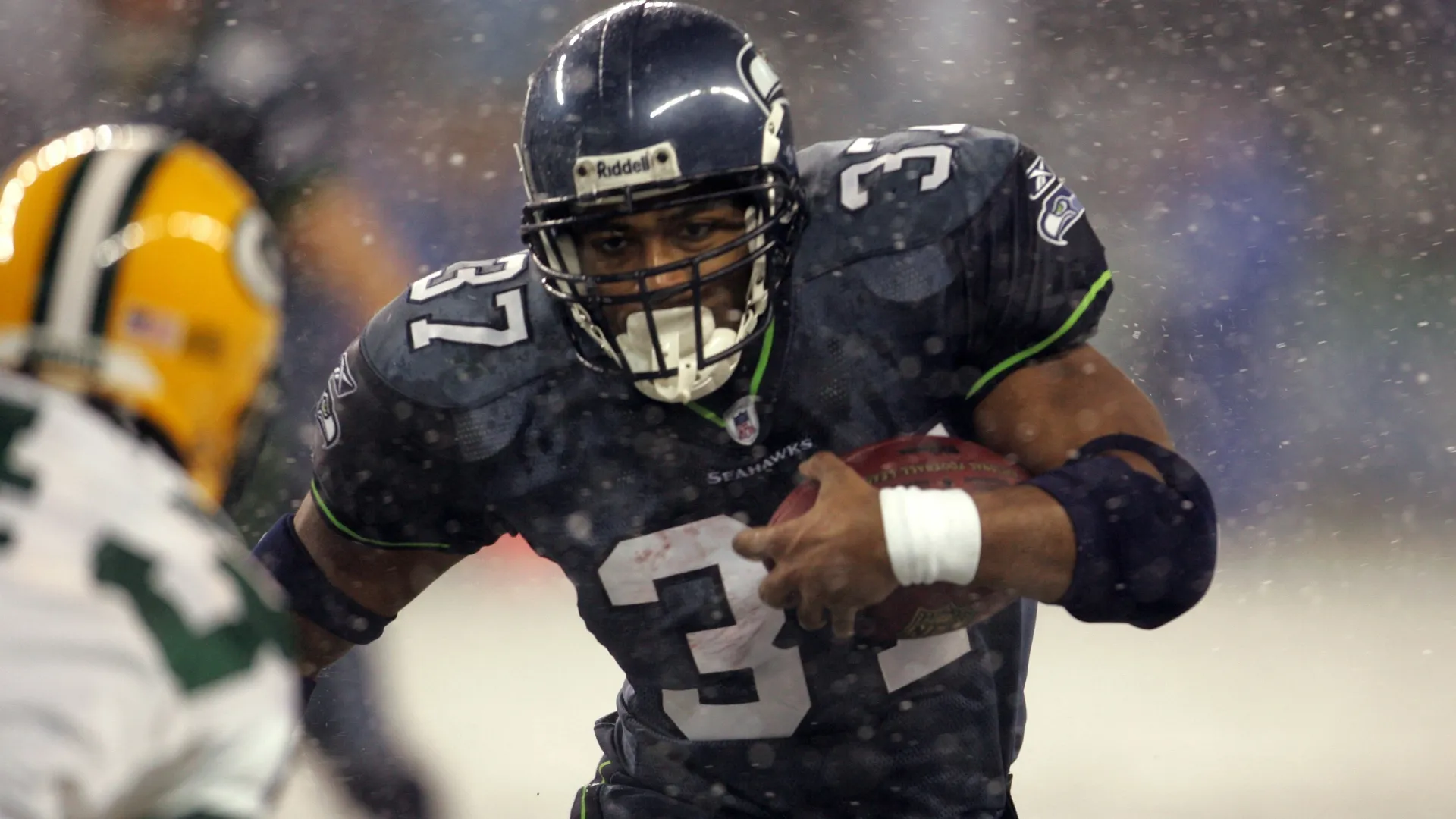
Shaun Alexander (Source: Kevin Casey/NFLPhotoLibrary)
Shaun Alexander is a figure synonymous with the Seahawks’ offensive peak. His career hit its zenith in 2005, a season that rewrote the franchise record books and earned him the NFL Most Valuable Player award, the first Seahawk to achieve the feat.
In that magical season, he not only led the NFL in rushing yards but set a then-record for most touchdowns in a single season. His success wasn’t solely about talent; it was a perfect synergy with an elite offensive line, particularly Walter Jones and Steve Hutchinson.
He was a running back with an unrelenting nose for the end zone, leaving the franchise as its undisputed leader in rushing touchdowns, a testament to his absolute dominance in the early 2000s.
Kenny Easley
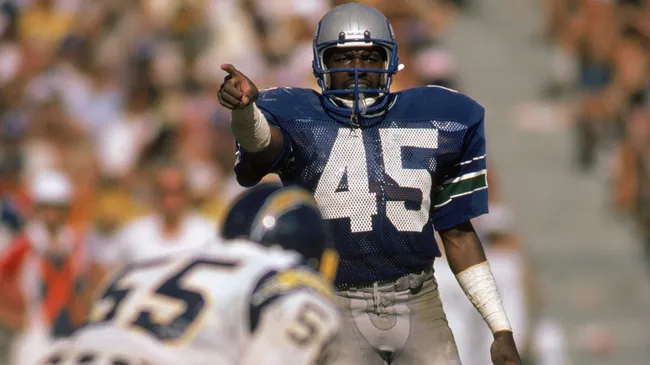
Kenny Easley (Source: Rick Stewart/Getty Images)
Long before the “Legion of Boom”, the Seattle secondary had one name that inspired fear: Kenny Easley. This strong safety was so dominant that he earned the nickname “The Enforcer,” and his short career was an explosion of performance, culminating in the NFL Defensive Player of the Year award in 1984.
He was a rare hybrid of a cover safety with linebacker-like tackling ability. In 1984, he led the NFL with 10 interceptions, tying a franchise record, and returned two for touchdowns.
Despite his career being tragically cut short, his impact was so profound that he was selected to the NFL 1980s All-Decade Team. He redefined the safety position in his time, combining a ball-hawking instinct with a terrifying physical presence on the field.
Earl Thomas
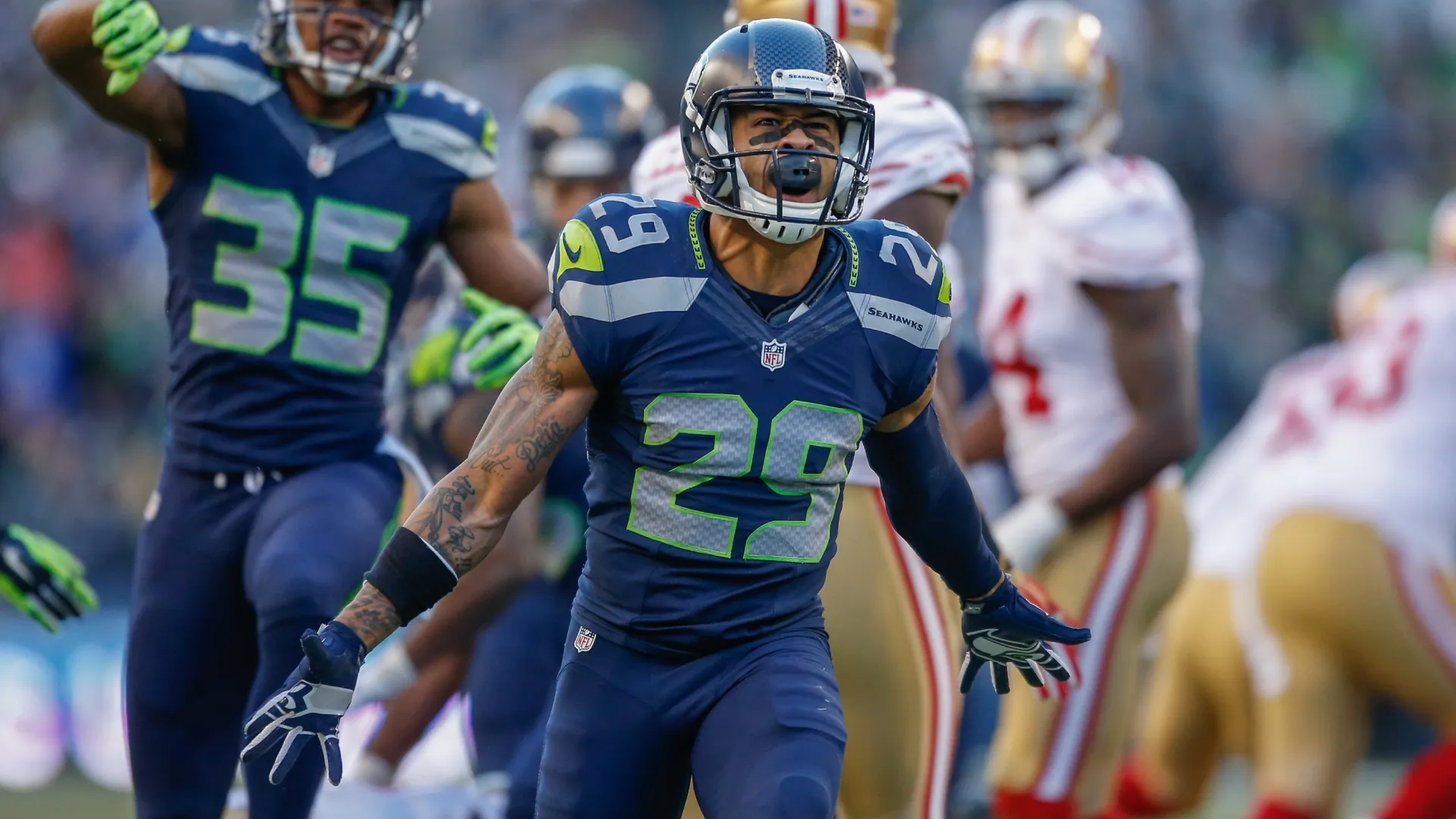
Earl Thomas (Source: Otto Greule Jr/Getty Images)
If Russell Wilson was the offensive quarterback, Earl Thomas was the defensive quarterback. His role as the free safety for the “Legion of Boom” was absolutely essential to the success of Pete Carroll’s defensive scheme, allowing his teammates to play with unprecedented aggression.
He possessed phenomenal coverage range, effectively making the field smaller for opposing quarterbacks. His ability to instantly close large spaces and appear out of nowhere to deny deep passes was the defining trait of the defense that led the NFL in points allowed for four consecutive seasons.
He was a three-time First-Team All-Pro and a member of the NFL 2010s All-Decade Team. He was the high-speed anchor that made the system work; his intelligence, discipline, and intense competitiveness are why Seattle’s Cover 3 system was so feared.
Richard Sherman
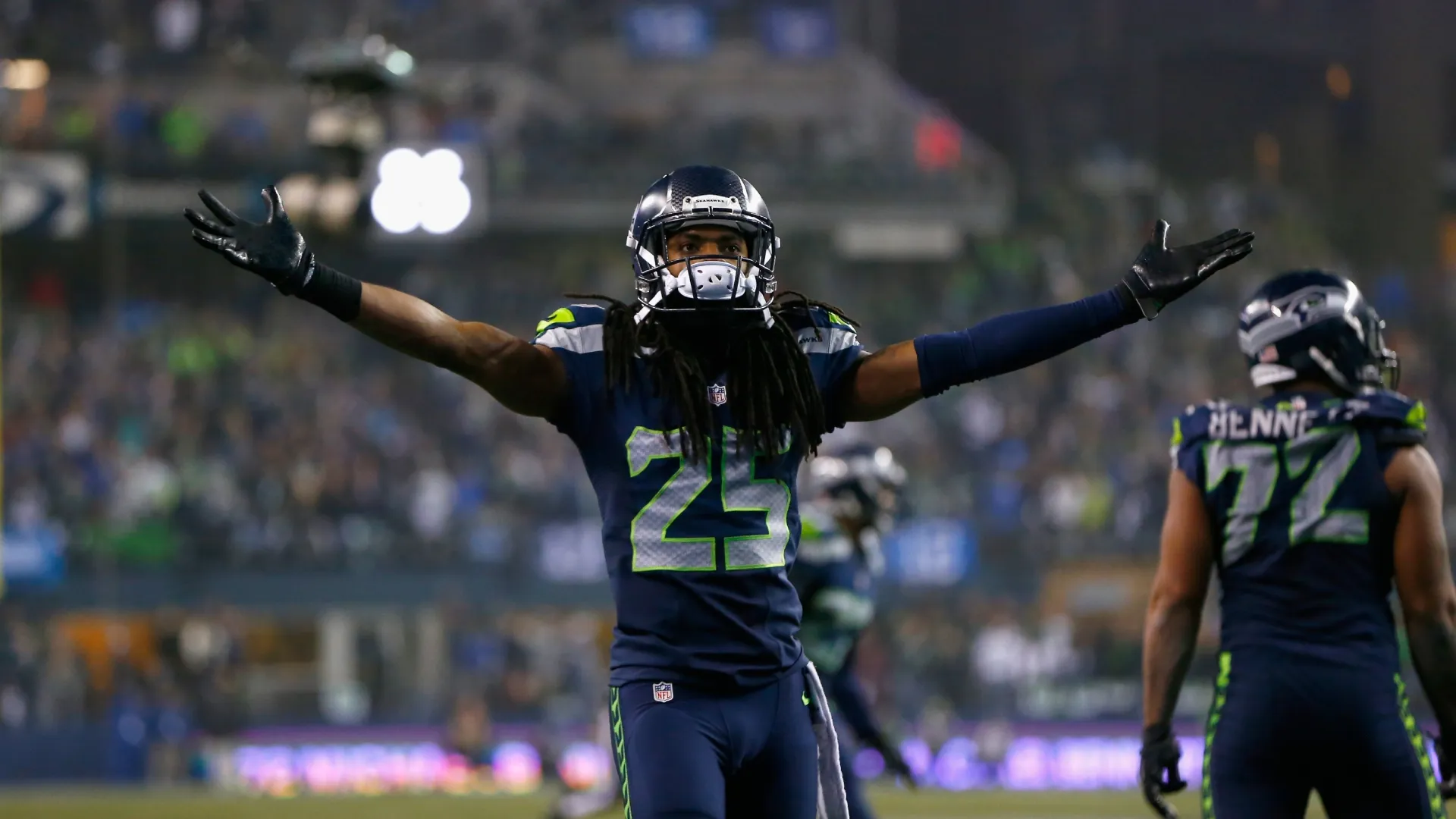
Richard Sherman (Source: Jonathan Ferrey/Getty Images)
Richard Sherman was not just a cornerback; he was the unapologetic voice and the undisputed swagger of the “Legion of Boom.” Selected unexpectedly late in the fifth round of the 2011 draft, he transformed perceived weaknesses—his size and conversion from wide receiver—into supreme advantages, becoming a towering, hyper-intelligent defensive back.
He wasn’t just physical; he was a pure ball-hawk. He led the NFL in interceptions in 2013, the season the Seahawks won Super Bowl XLVIII, and his three First-Team All-Pro selections in a row established him as the league’s preeminent shutdown corner.
His aggressive play style, combined with his sharp intellect and legendary post-game interviews, made him an indispensable component of Seattle’s championship identity. His legacy is one of the greatest late-round steals ever, a defensive titan who enforced silence on half the field and noise everywhere else.
Marshawn Lynch
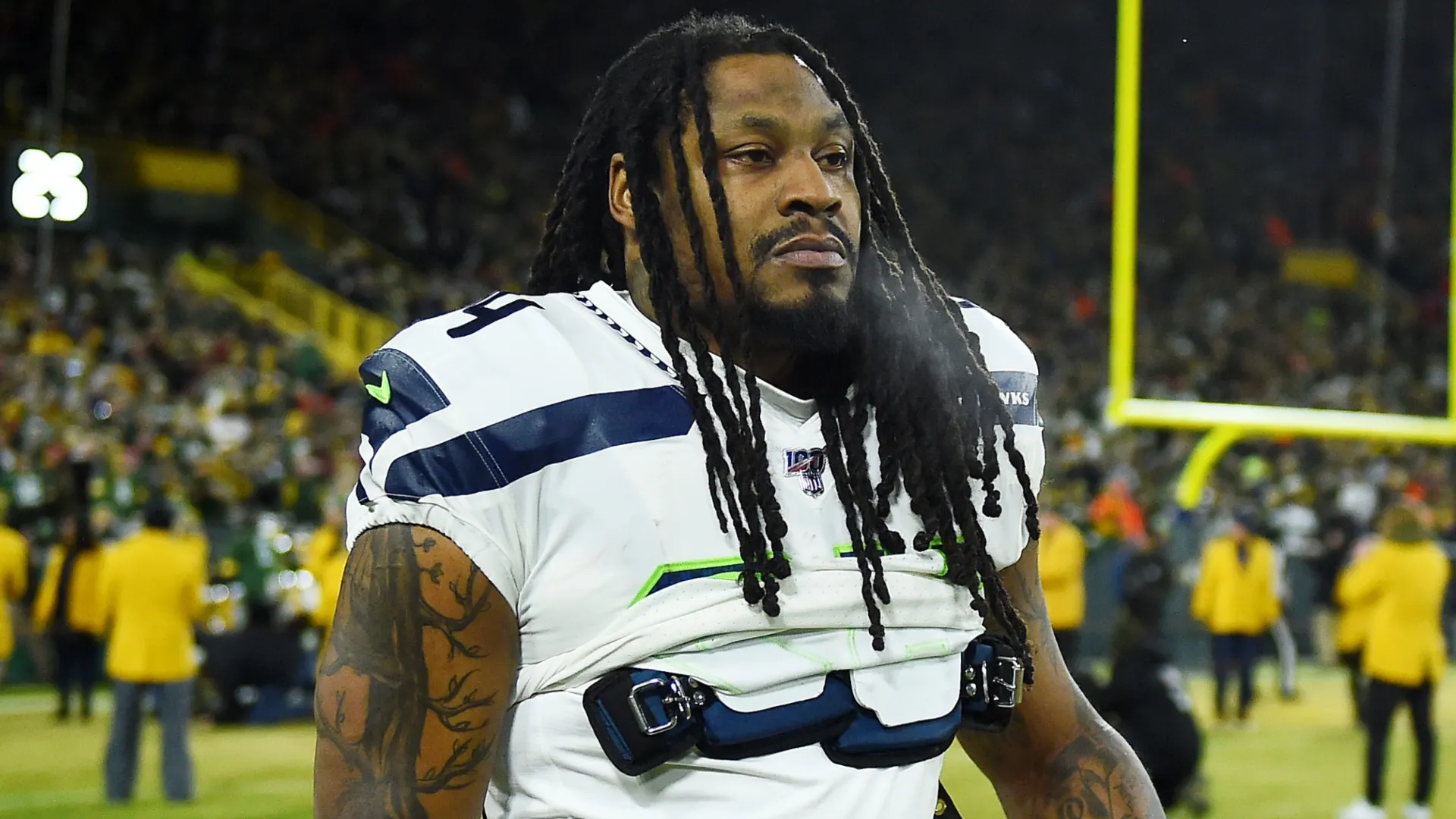
Marshawn Lynch (Source: Stacy Revere/Getty Images)
The phrase “Beast Mode” is shorthand for the powerful, punishing, and utterly relentless running style that Marshawn Lynch brought to the Emerald City. Acquired mid-season in 2010, Lynch immediately galvanized the offense, replacing inconsistency with a brutal will to power that perfectly reflected the tough, grinding identity of the Pete Carroll era.
His career is marked by incredible feats of strength, none more famous than the “Beast Quake” run—a 67-yard, tackle-breaking touchdown against the Saints in the 2011 playoffs. He was the only five-time Pro Bowl running back in franchise history, twice leading the league in rushing touchdowns (2013 and 2014).
Beyond the stats, he was an enigmatic cultural icon whose “I’m just here so I won’t get fined” attitude and Skittles obsession made him a global fan favorite, representing the raw, authentic soul of the Seahawks.
Jacob Green
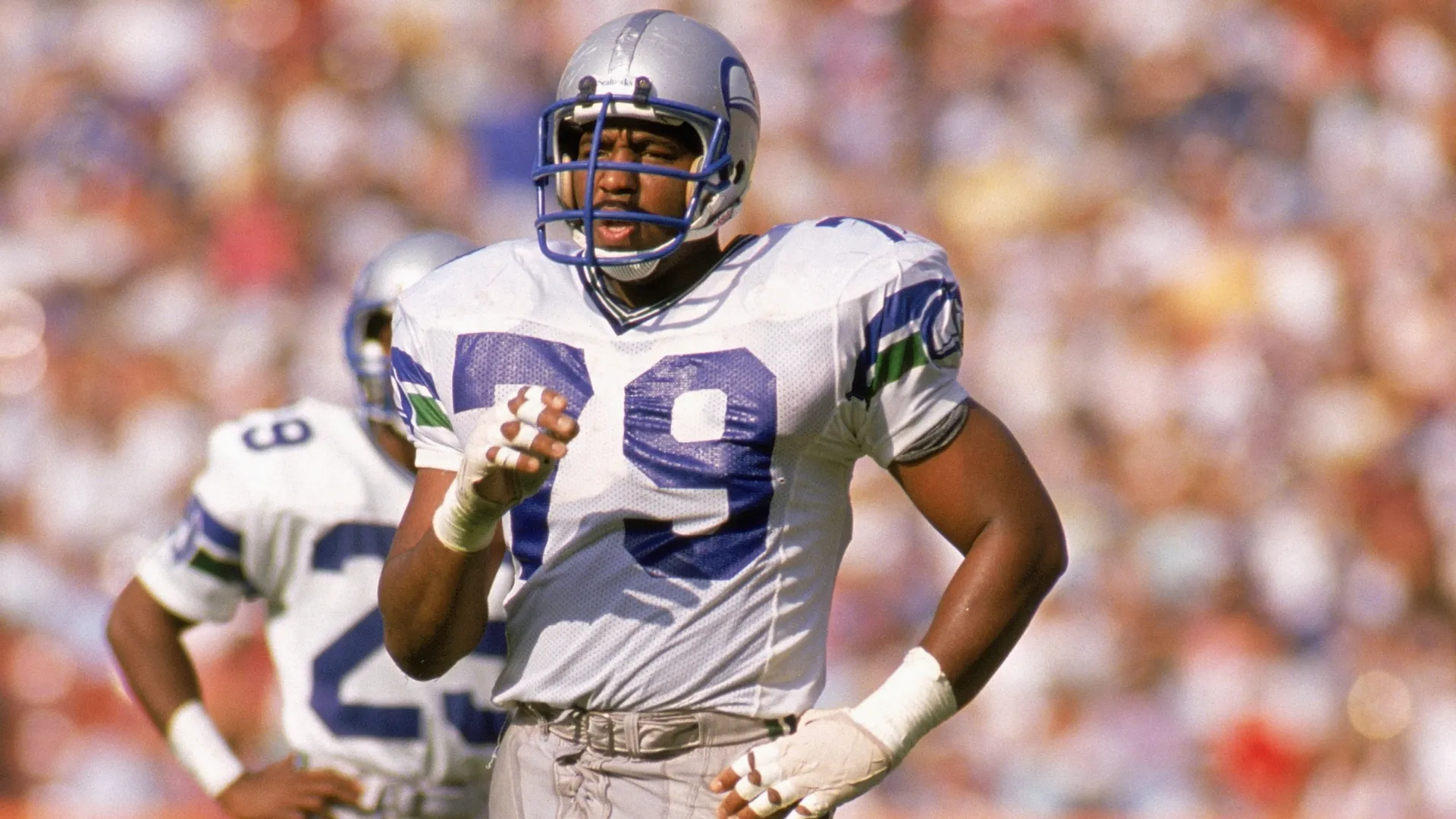
Jacob Green (Source: Tim DeFrisco/Getty Images)
Before the official sack records began in 1982, Jacob Green was already terrorizing opposing quarterbacks. The defensive end spent his entire 13-year career with the Seahawks, becoming the franchise’s all-time sack leader.
While officially credited with 97.5 career sacks, when including his unofficial totals from his first two seasons, his number rockets to an estimated 115.5—placing him among the elite 100-sack club. He was the quintessential pressure player for the franchise during the 1980s, not only leading in career sacks but also holding the team record for career forced fumbles.
His tireless motor, highlighted by multiple Pro Bowl selections, makes him the quiet giant whose foundational defensive records set the standard for every pass rusher who followed him.
Steve Hutchinson
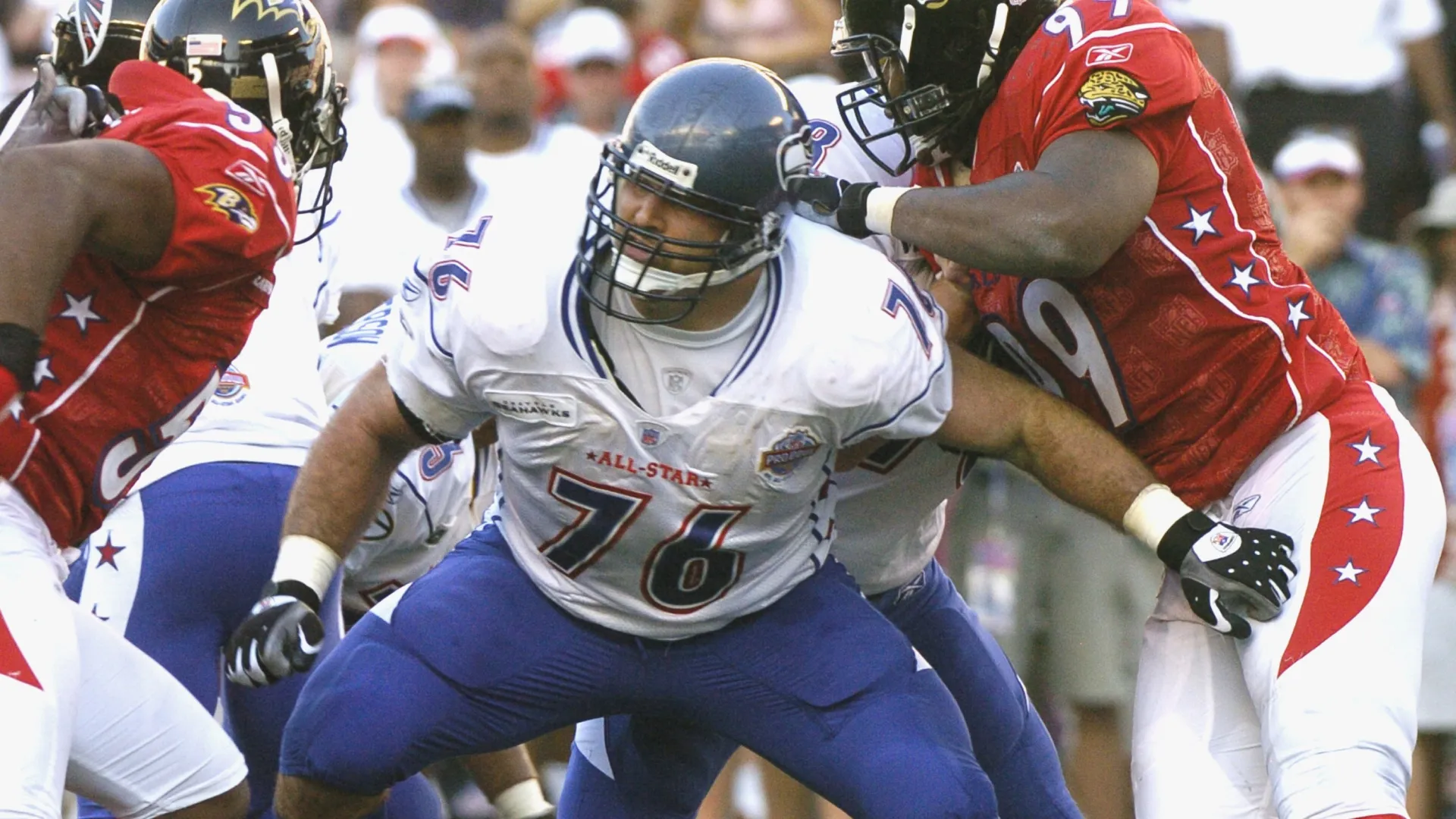
Steve Hutchinson (Source: Al Messerschmidt/Getty Images)
Steve Hutchinson was the rare interior offensive lineman whose raw talent and technique commanded attention. Drafted fifth overall in 2001, the left guard immediately formed the other half of one of the NFL’s most dominant offensive line tandems alongside Walter Jones.
He was a road-grader whose elite run-blocking helped transform the Seahawks’ ground game. His five seasons in Seattle were a clinic in dominance, culminating in his selection as a First-Team All-Pro and Pro Bowler in the 2005 Super Bowl season—the same year Shaun Alexander won MVP running behind him.
His consistent, physical style earned him recognition on the NFL 2000s All-Decade Team. Though his time in Seattle was relatively short, his powerful and technically sound play made him a Hall of Fame standard for the guard position.
Matt Hasselbeck
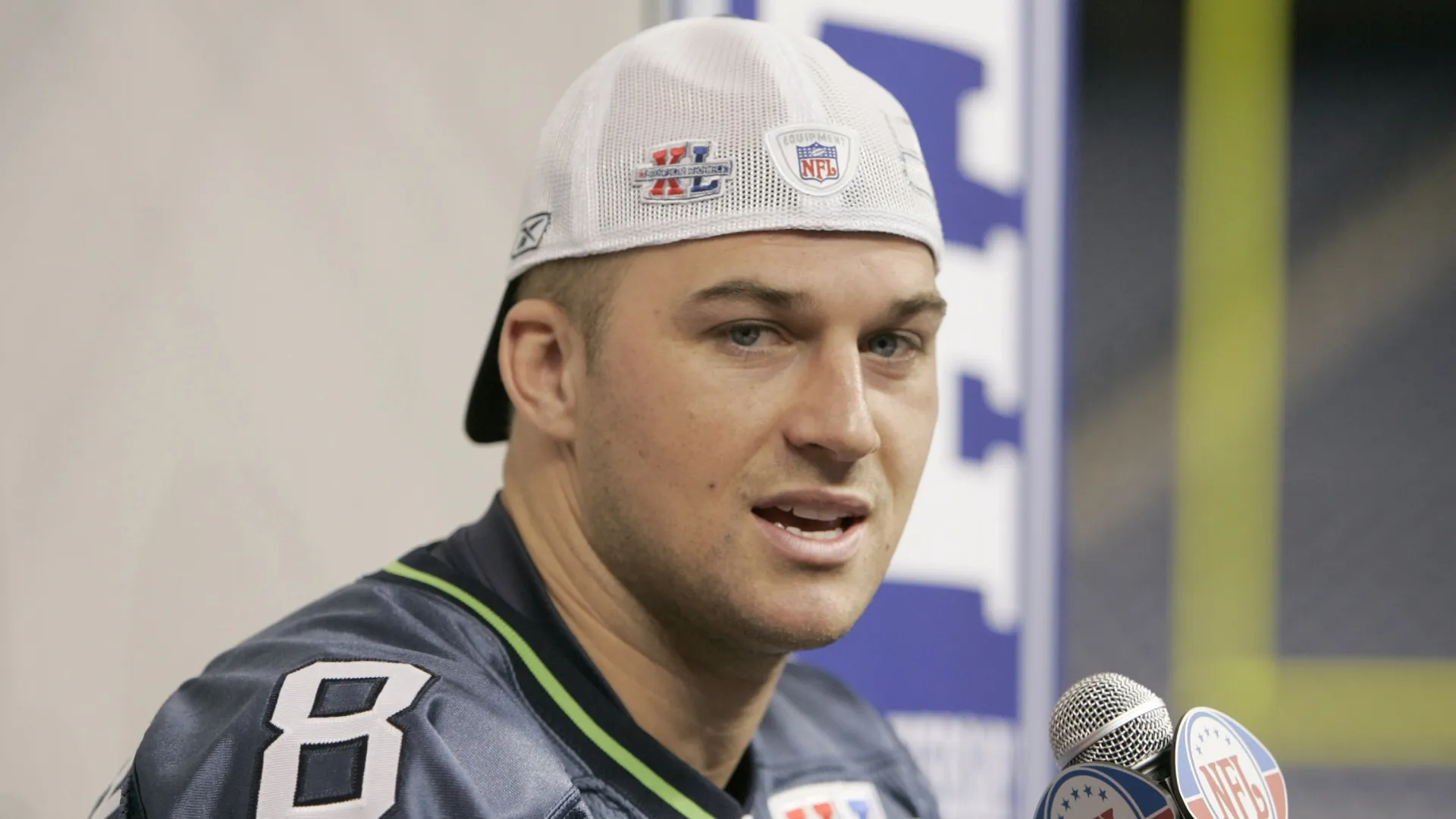
Matt Hasselbeck (Source: G. N. Lowrance/NFLPhotoLibrary)
The acquisition of Matt Hasselbeck in 2001, hand-picked by coach Mike Holmgren, signaled the start of the Seahawks’ modern relevance. For a decade, he was the steady field general who engineered the team’s rise to Super Bowl XL, securing the franchise’s first NFC Championship.
A three-time Pro Bowler, he finished his tenure with the Seahawks as the franchise’s all-time leader in attempts, completions, and passing yards—records since surpassed by Russell Wilson. His best season came in 2005, where his 98.2 passer rating helped lead the team to a franchise-best 13-3 record.
His intelligence, leadership, and ability to execute a complex West Coast Offense made him the definitive quarterback of the Holmgren Era and a beloved figure enshrined in the Seahawks Ring of Honor.
Tyler Lockett
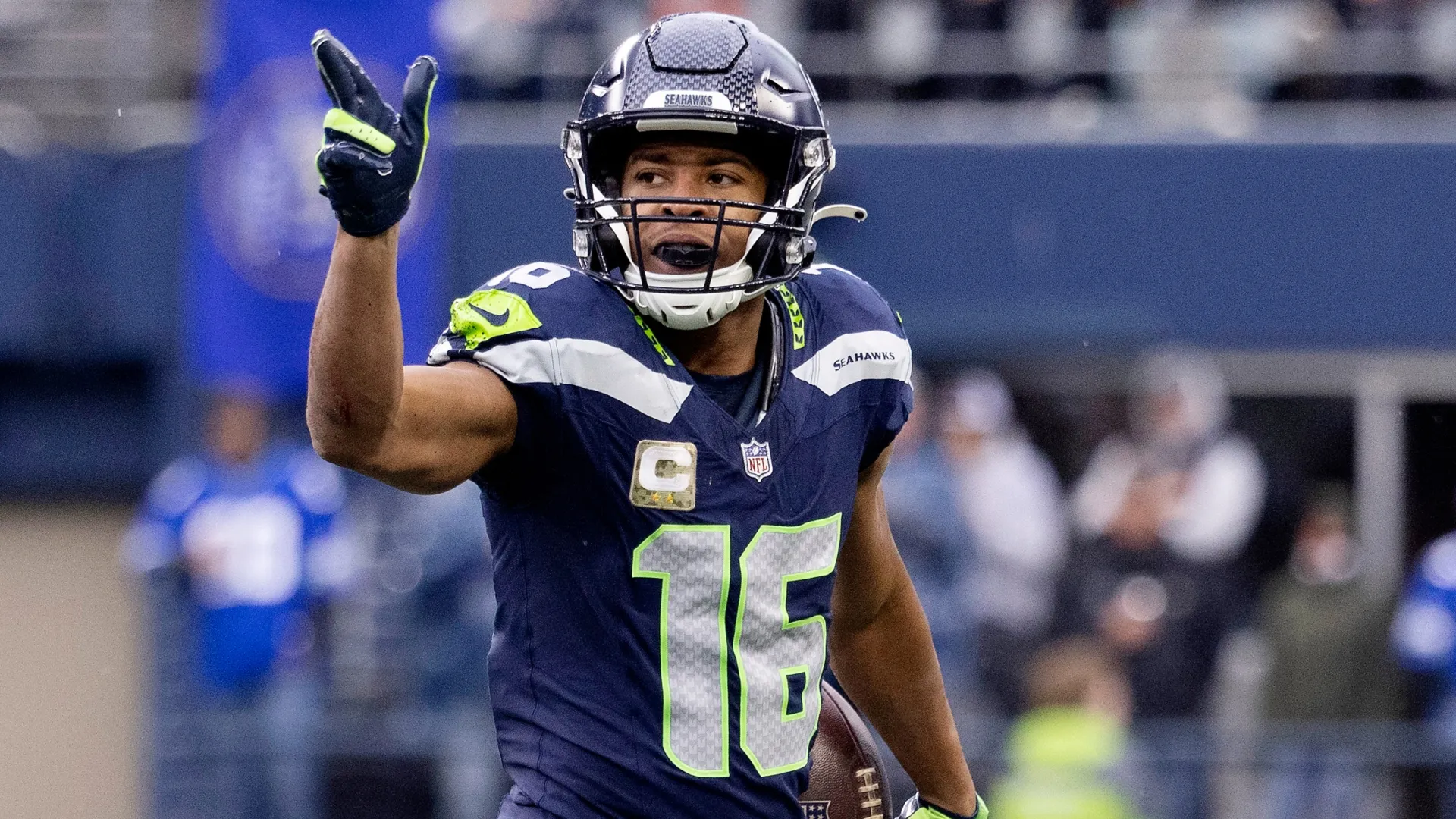
Tyler Lockett (Source: Tom Hauck/Getty Images)
In a dynamic era of Seahawks football, Tyler Lockett emerged as the picture of quiet, dependable excellence. Drafted in 2015, he quickly became a versatile weapon—a Pro Bowl and All-Pro return specialist in his rookie year—before cementing himself as one of the most reliable and precise wide receivers in the league.
His greatness is defined by his elite route-running and his remarkable ability to maintain chemistry with his quarterback, Russell Wilson. He holds the franchise record for single-season receptions and became the sixth player in team history to achieve multiple 1,000-yard receiving seasons.
More than his records, he is prized for his unwavering consistency; he is the gold standard for reliable hands, making him a true professional whose quiet excellence speaks louder than any pre-game hype.
Kam Chancellor
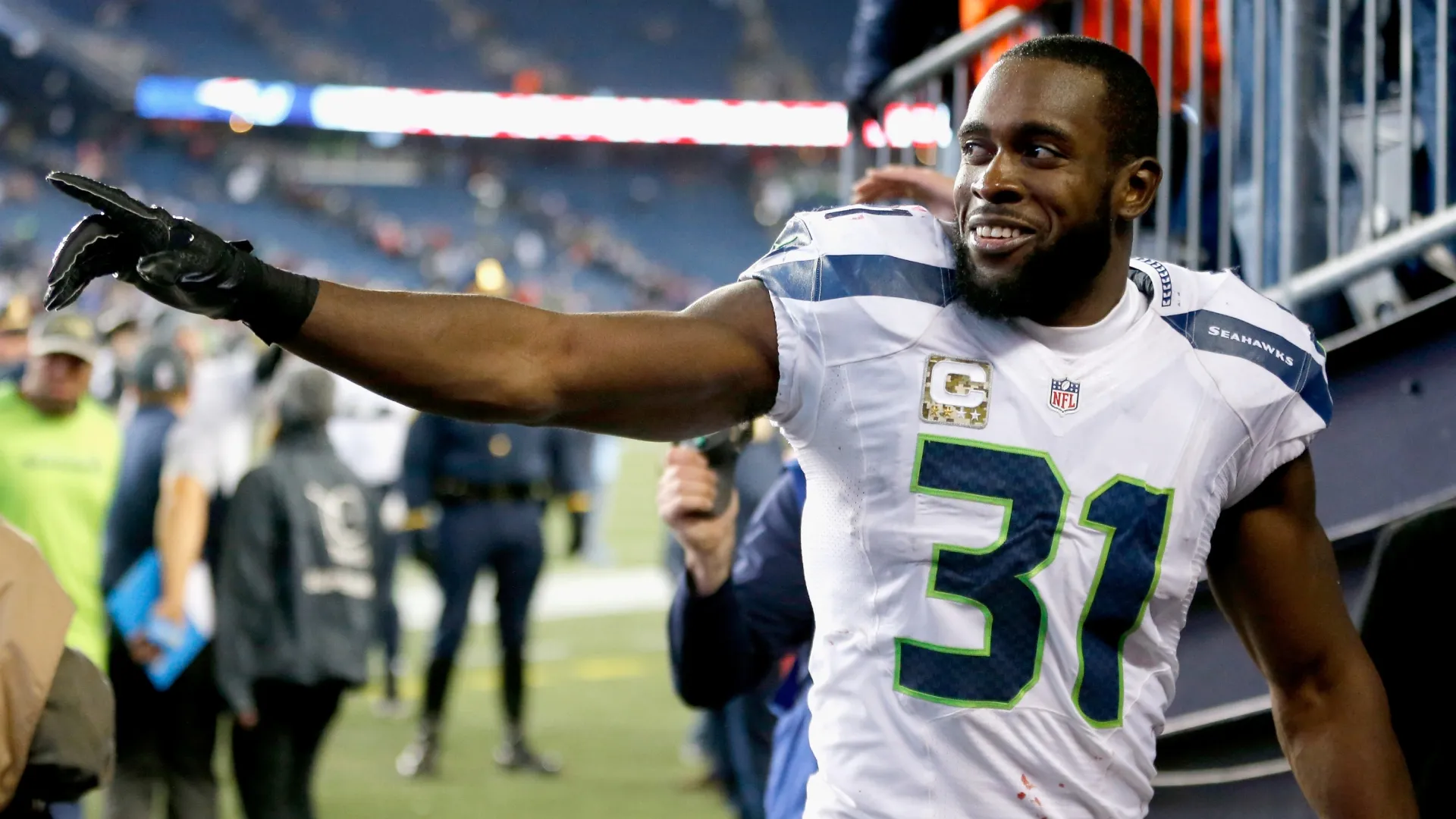
Kam Chancellor (Source: Jim Rogash/Getty Images)
If Richard Sherman was the swagger of the “Legion of Boom,” Kam Chancellor was the physical manifestation of fear. The strong safety, a fifth-round pick, brought a visceral, bone-jarring style of play that earned him the moniker “Bam Bam Kam” and made him the intimidating heartbeat of the Seahawks defense.
His impact was immediate and profound. He was a four-time Pro Bowler and two-time Second-Team All-Pro whose punishing hits dictated the flow of games and demoralized opponents. Operating out of the deep middle, his size, speed, and willingness to deliver massive blows provided the physical foundation for the entire defensive scheme.
Beyond his hits, he was a recognized leader who often served as an emotional rallying point for the team, making him the definitive enforcer of the Seahawks’ championship legacy.
Steve Largent
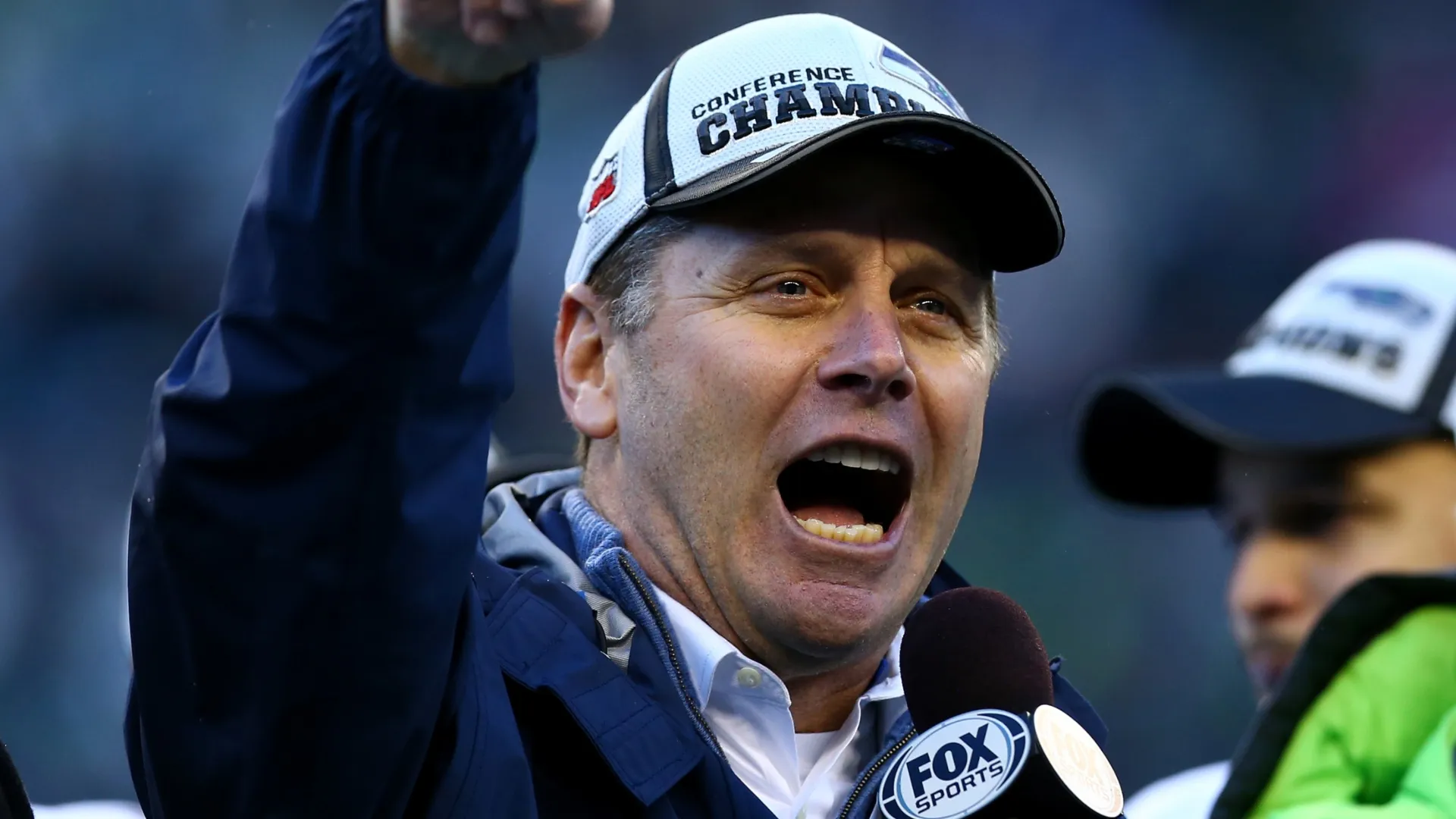
Steve Largent (Source: Ronald Martinez/Getty Images)
When discussing the history of the Seattle Seahawks, the name Steve Largent stands alone as the franchise’s original, enduring icon. The wide receiver transcended his size and speed limitations to become a model of competitive fire and hands that were practically magnets, ultimately retiring as the NFL’s all-time leader in receptions, receiving yards, and receiving touchdowns.
His greatness wasn’t just in his statistics—though seven Pro Bowls and two First-Team All-Pro selections speak volumes—it was in his unwavering toughness and meticulous preparation. He was the definitive star of the Seahawks’ early decades, providing the team with credibility and excitement.
Known for his disciplined route-running and courageous play over the middle, he set the gold standard for wide receiver excellence. His enshrinement in the Hall of Fame in 1995 marked the first time a Seahawks player had received football’s highest honor, establishing the bar for every player who has since worn the silver and blue.
Lofa Tatupu
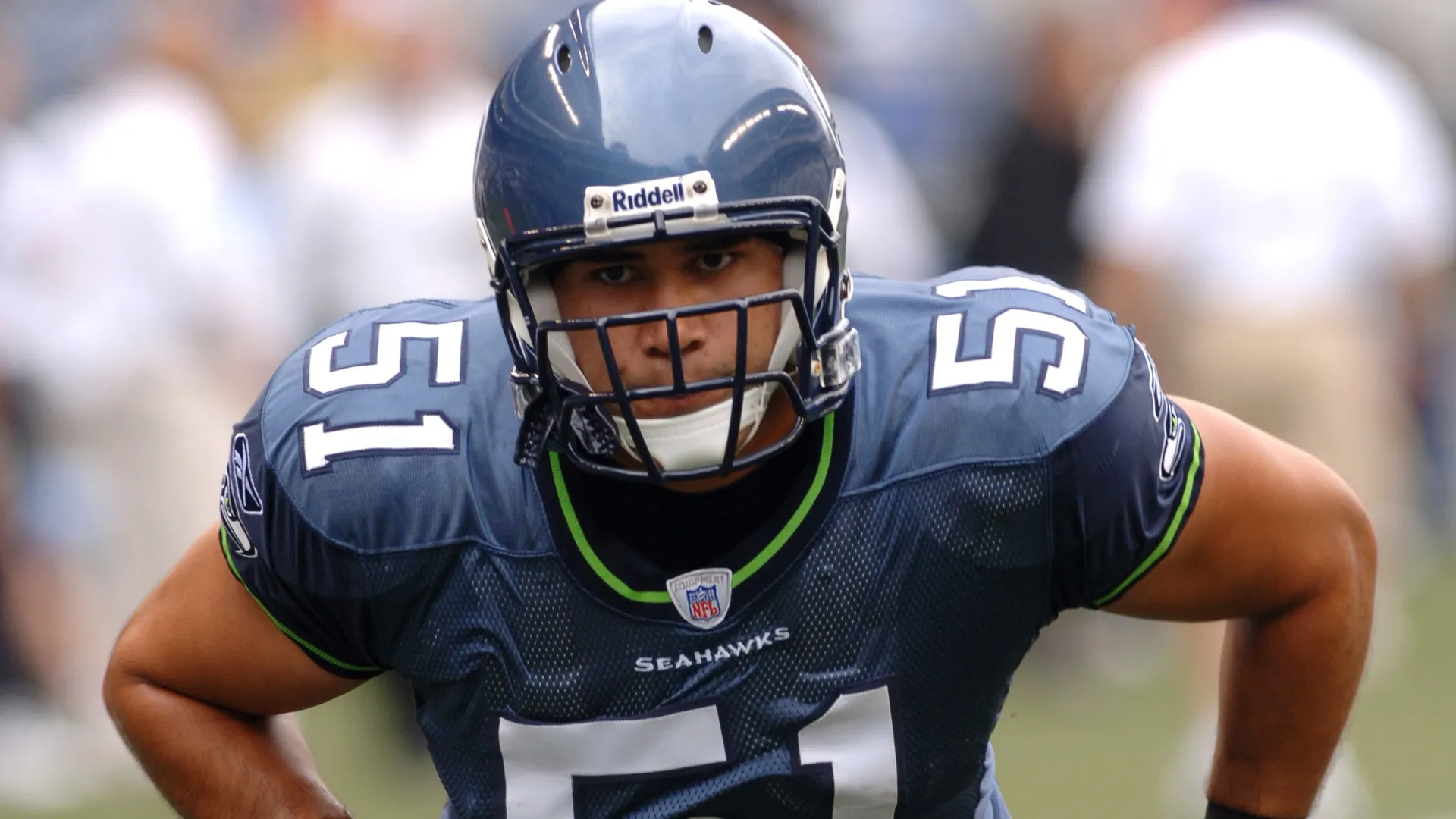
Lofa Tatupu (Source: Al Messerschmidt/Getty Images)
The arrival of Lofa Tatupu in the mid-2000s marked a crucial turning point for the Seahawks’ defense, injecting a much-needed jolt of passion and intellect into the heart of the unit. The middle linebacker was the defensive anchor during the franchise’s first Super Bowl appearance and was widely celebrated for his fierce, aggressive play style.
He made an immediate impact, earning three consecutive Pro Bowl selections from his rookie year through 2007. His value was immense, serving as the defensive captain who mastered the complex schemes and ensured his teammates were properly aligned.
A relentless tackler and an exceptional run-stopper, his intensity defined the defensive identity of the Mike Holmgren era. Though injuries cut his career short, his six seasons with the Seahawks established him as one of the most beloved and impactful middle linebackers in the team’s history.
Curt Warner
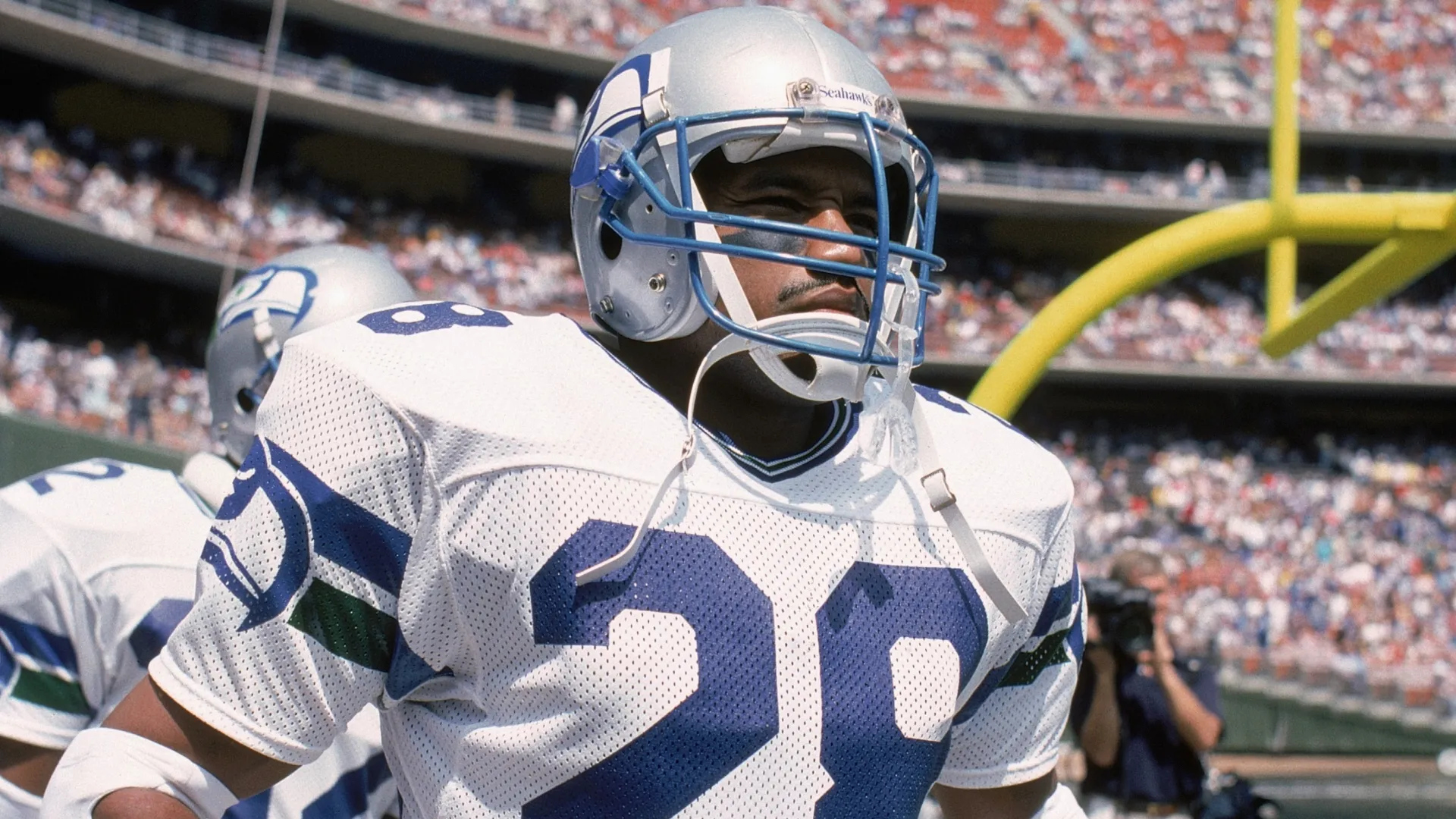
Curt Warner (Source: Stephen Dunn/Getty Images)
In the early 1980s, the Seattle Seahawks were searching for an identity, and they found it in the electrifying, all-purpose running back Curt Warner. Drafted third overall in 1983, his explosive speed and versatility immediately transformed the offense, leading the team to its first-ever playoff appearance in his rookie year.
He quickly became a household name, rushing for 1,449 yards and being named the AFC Offensive Player of the Year in his debut season. Though he suffered a devastating knee injury that derailed his sophomore campaign, he showed immense character and determination by returning to form and posting two more 1,000-yard seasons.
A three-time Pro Bowler, he was not just a runner but a talented receiver, capable of scoring from anywhere on the field. He was the early superstar running back who provided the thrilling offensive spark that ignited the Seahawks’ competitive flame in the AFC West.
Doug Baldwin
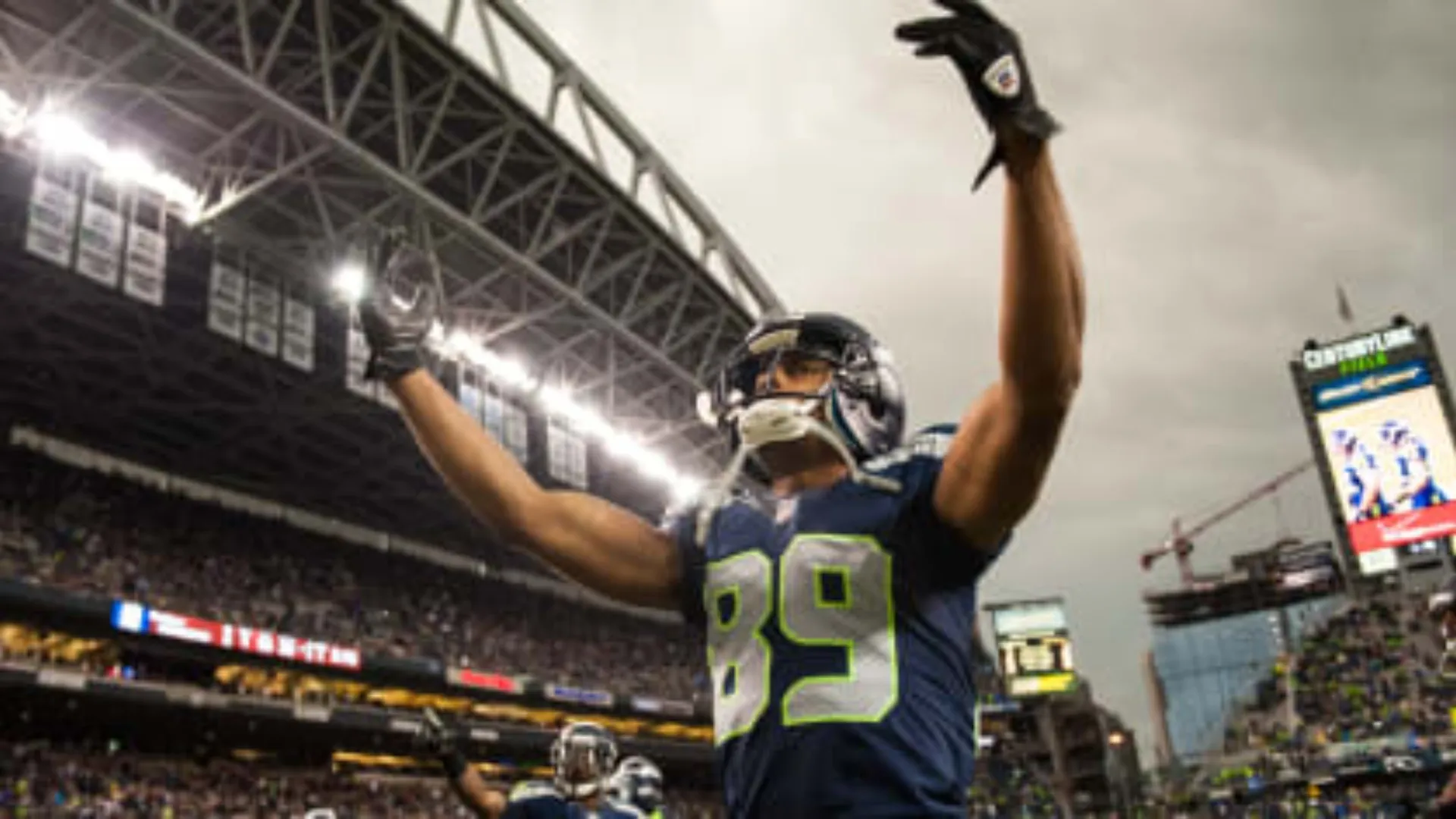
Doug Baldwin (Source: Seattle Seahawks)
If Richard Sherman was the noise of the “Legion of Boom” era, Doug Baldwin was the fiery, indispensable talent who provided the clutch execution. Signed as an undrafted free agent in 2011, he overcame the slight of being overlooked to become one of the most productive and reliable receivers in franchise history, embodying the chip-on-the-shoulder mentality of the Super Bowl squad.
He was a master technician, known for his pristine route-running and ability to generate separation instantly. His career peak came in 2015 when he co-led the NFL with 14 receiving touchdowns, achieving a legendary streak of 11 touchdowns in five games.
A two-time Pro Bowler, he ranks third in franchise history in both receptions and receiving yards. His intense competitiveness and flair for the dramatic, particularly in high-leverage playoff moments, earned him the nickname ‘Angry Doug’ and solidified his status as one of the most celebrated undrafted success stories in Seahawks lore.
Dave Krieg
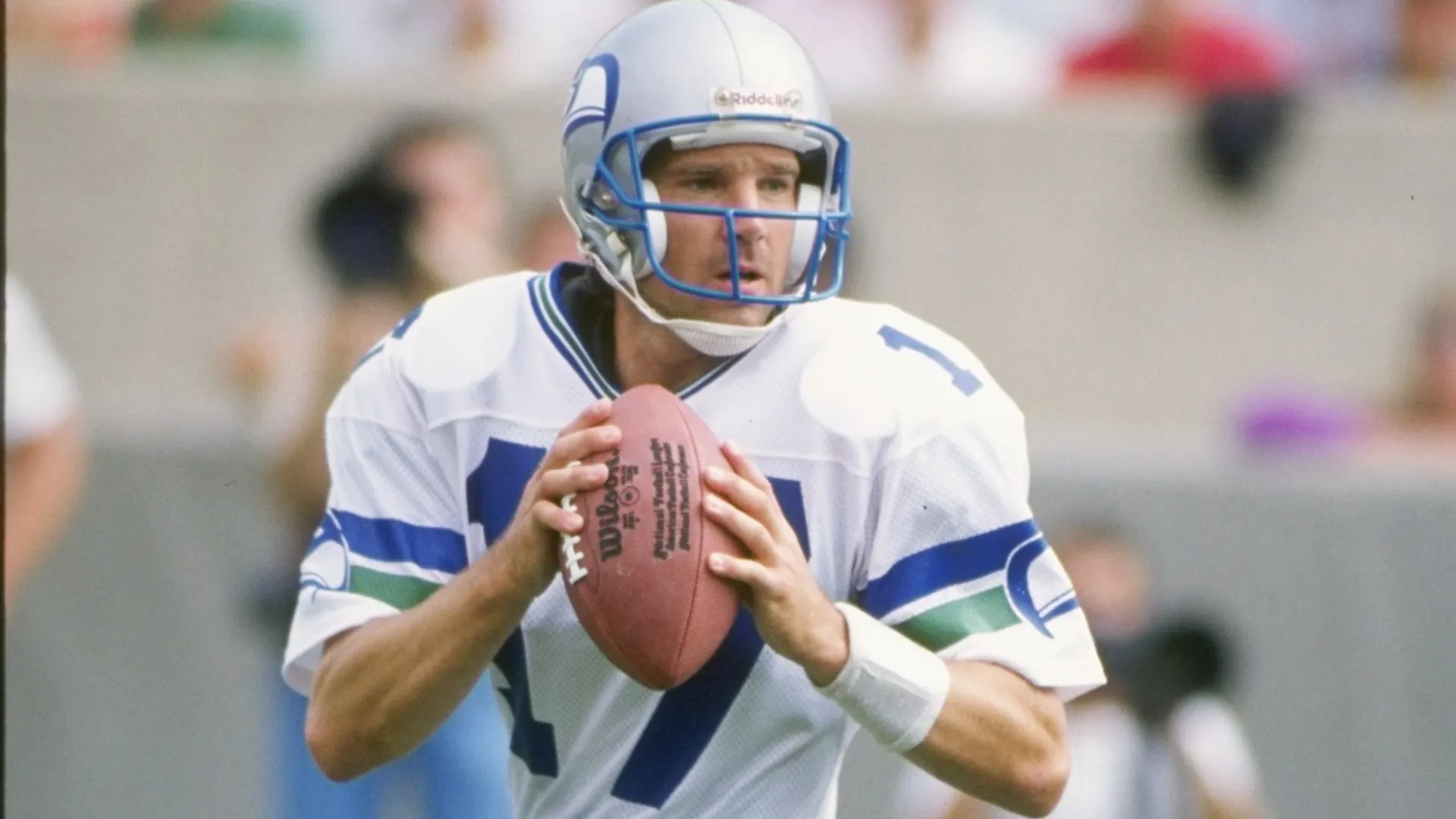
Dave Krieg (Source: Getty Images)
The story of Dave Krieg is one of perseverance and surprise. Joining the team as an undrafted free agent from a small college in 1980, he went from a longshot third-stringer to the face of the franchise throughout the 1980s. He was a gunslinger whose fearless, occasionally erratic, style of play was perfect for the era.
He spent 12 seasons in Seattle, becoming the team’s all-time leader in virtually every major passing category at the time of his departure. A three-time Pro Bowler, he led the Seahawks to their first-ever playoff victory in 1983 and was the winningest quarterback in club history for two decades.
Known for his uncanny ability to escape pressure and keep plays alive—a trait often compared to modern QBs—his durability and unexpected rise from obscurity make him a celebrated pioneer and a member of the Seahawks Ring of Honor.
Jon Ryan
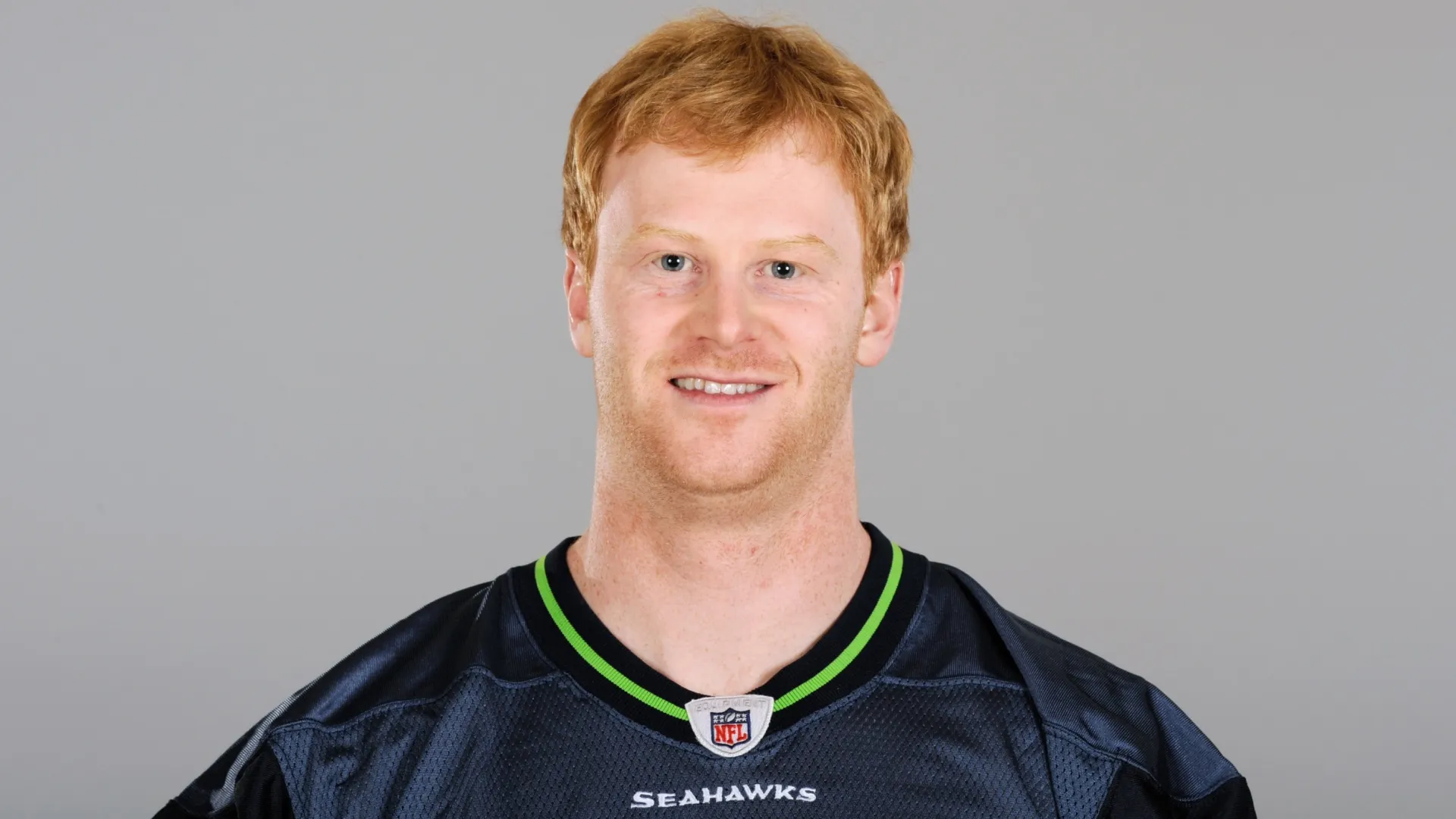
Jon Ryan (Source: NFL Photos)
For a decade, Jon Ryan was the model of stability and personality in the often-overlooked special teams unit. The Canadian punter set multiple franchise records for punting yards, career punts, and punts inside the 20-yard line, providing consistent field-flipping strength during the Super Bowl years. Beyond his statistical consistency, he became a fan favorite for his self-deprecating humor and, most famously, his clutch playmaking.
He is immortalized for throwing a game-tying touchdown pass on a fake field goal in the 2014 NFC Championship Game—a legendary moment that helped fuel one of the greatest comebacks in franchise history. His longevity, reliability, and willingness to step into the spotlight when the game was on the line made him a cultural icon and a beloved figure among the “12s.”
Michael Dickson
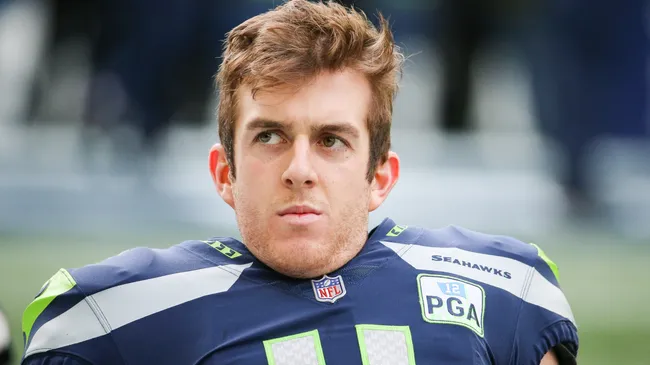
Michael Dickson (Source: Abbie Parr/Getty Images)
Michael Dickson represents the new generation of elite special teams players, bringing an Australian Rules football background that translates into a unique blend of power and precision punting. Since arriving in 2018, he has consistently been one of the NFL’s best at maximizing field position.
An immediate Pro Bowler and First-Team All-Pro in his rookie season, his career punt average is among the highest in NFL history. He is known for his ability to drop-kick on kickoffs and, occasionally, for chaotic moments like the “double punt,” showcasing a rare level of athleticism and unconventional skill.
His impact is measured by his ability to pin opponents deep and his booming leg, making him a crucial situational weapon who fundamentally alters the field-position battle.
Eugene Robinson
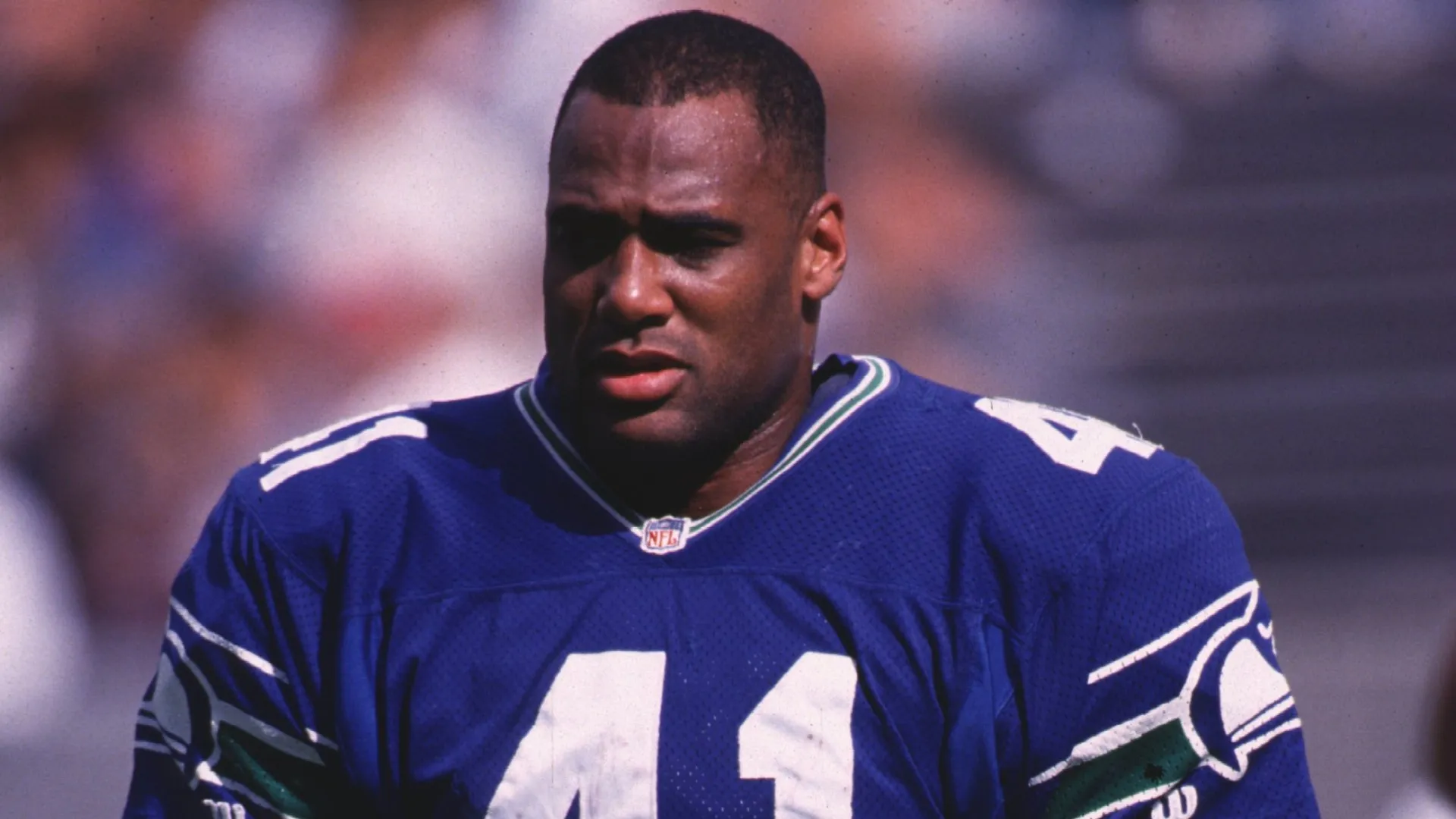
Eugene Robinson (Source: Getty Images)
Eugene Robinson was the steady cornerstone of the Seahawks secondary for much of the 1980s and 1990s. The free safety was noted for his durability, his cover intelligence, and his ability to consistently haul in interceptions, making him an enduring leader through a period of transition for the team.
He is one of the franchise’s most consistent playmakers, ranking among the all-time interception leaders for the Seahawks. He earned three Pro Bowl nods and one All-Pro selection during his tenure in Seattle.
More than the statistics, he was the consummate professional and the defensive field voice. His legacy is that of a complete safety who personified reliability, a quiet leader who kept the Seattle secondary respectable even during lean years.
Marcus Trufant
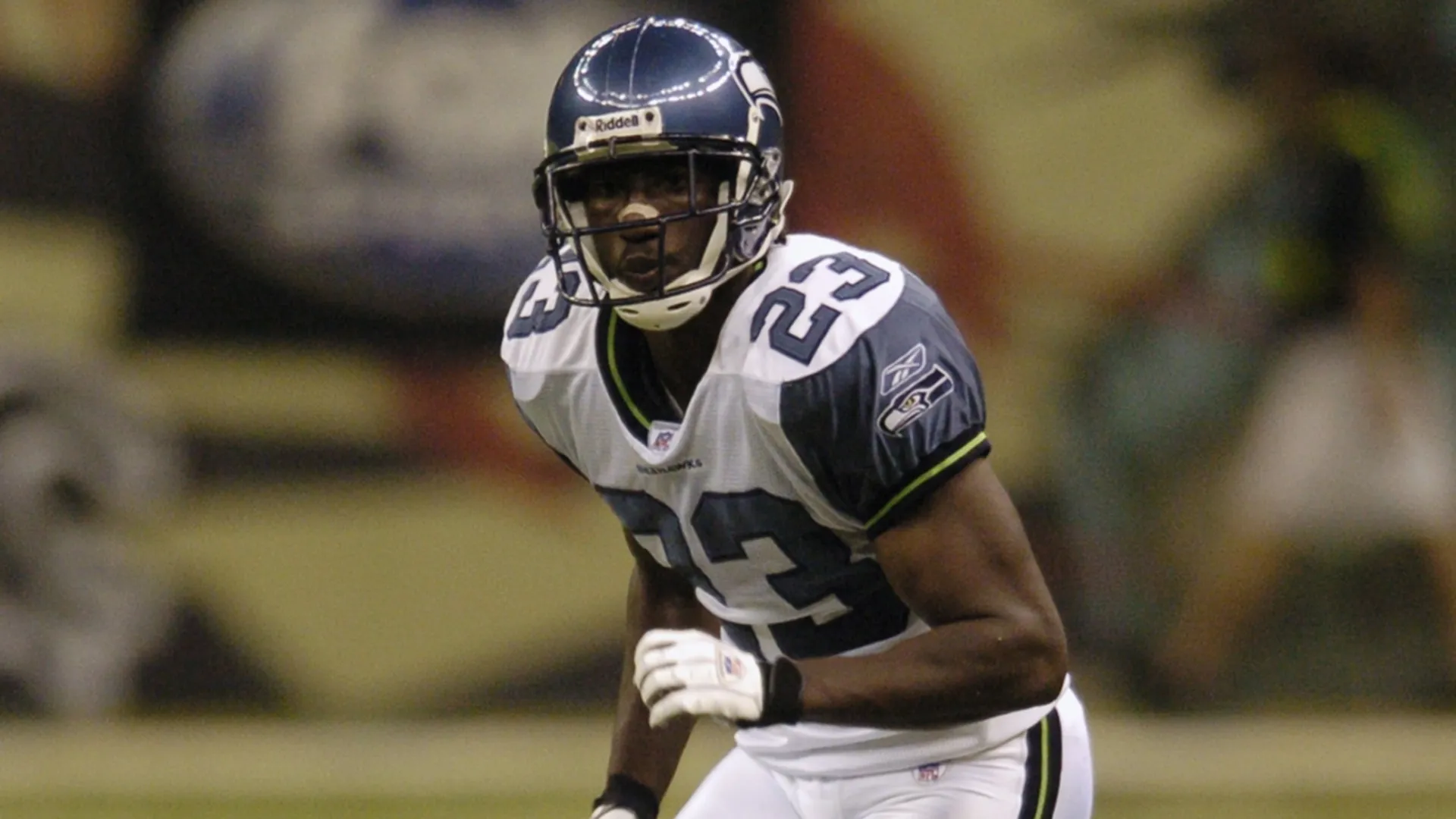
Marcus Trufant (Source: Chris Graythen/Getty Images)
Marcus Trufant represents franchise loyalty and local pride. The Tacoma-native cornerback became a fixture in the secondary for a decade, serving as a consistent, reliable player who was key in the team’s run to Super Bowl XL.
He was a complete cornerback, known for his willingness to tackle and his instinct for creating turnovers. His peak recognition came with a Pro Bowl and First-Team All-Pro selection in 2007.
Throughout his ten seasons, he was the trusted veteran who locked down one side of the field, bridging the Mike Holmgren era with the beginning of Pete Carroll’s regime. His Ring of Honor induction celebrates not just his performance, but his unbroken connection to the fan base.
Bobby Engram
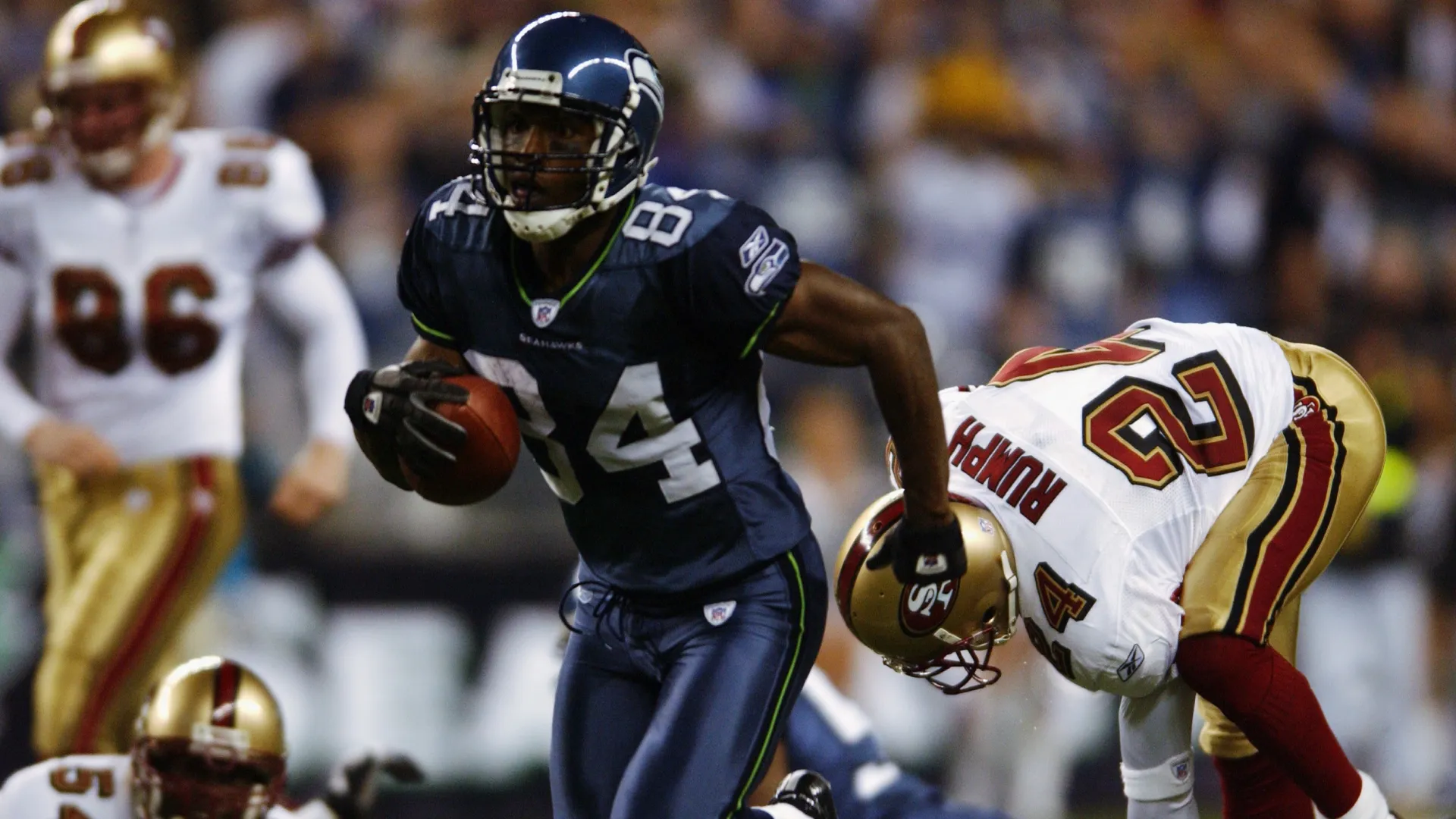
Bobby Engram (Source: Otto Greule Jr/Getty Images)
Bobby Engram was the quintessential possession receiver who brought stability and consistency to the Matt Hasselbeck-led offense in the mid-2000s. During his time with the team, he was renowned for his sure hands and ability to move the chains, a vital trait in Mike Holmgren’s scheme.
His best season came in 2007, where, at age 34, he set the franchise’s single-season receptions record, a number that defied his age and position. He was the reliable partner and slot receiver who provided a counter-balance to Shaun Alexander’s running threat.
His professionalism, precise routes, and ability to show up in crucial situations make him one of the most underrated yet essential wideouts in the modern Seahawks history.
Chad Brown
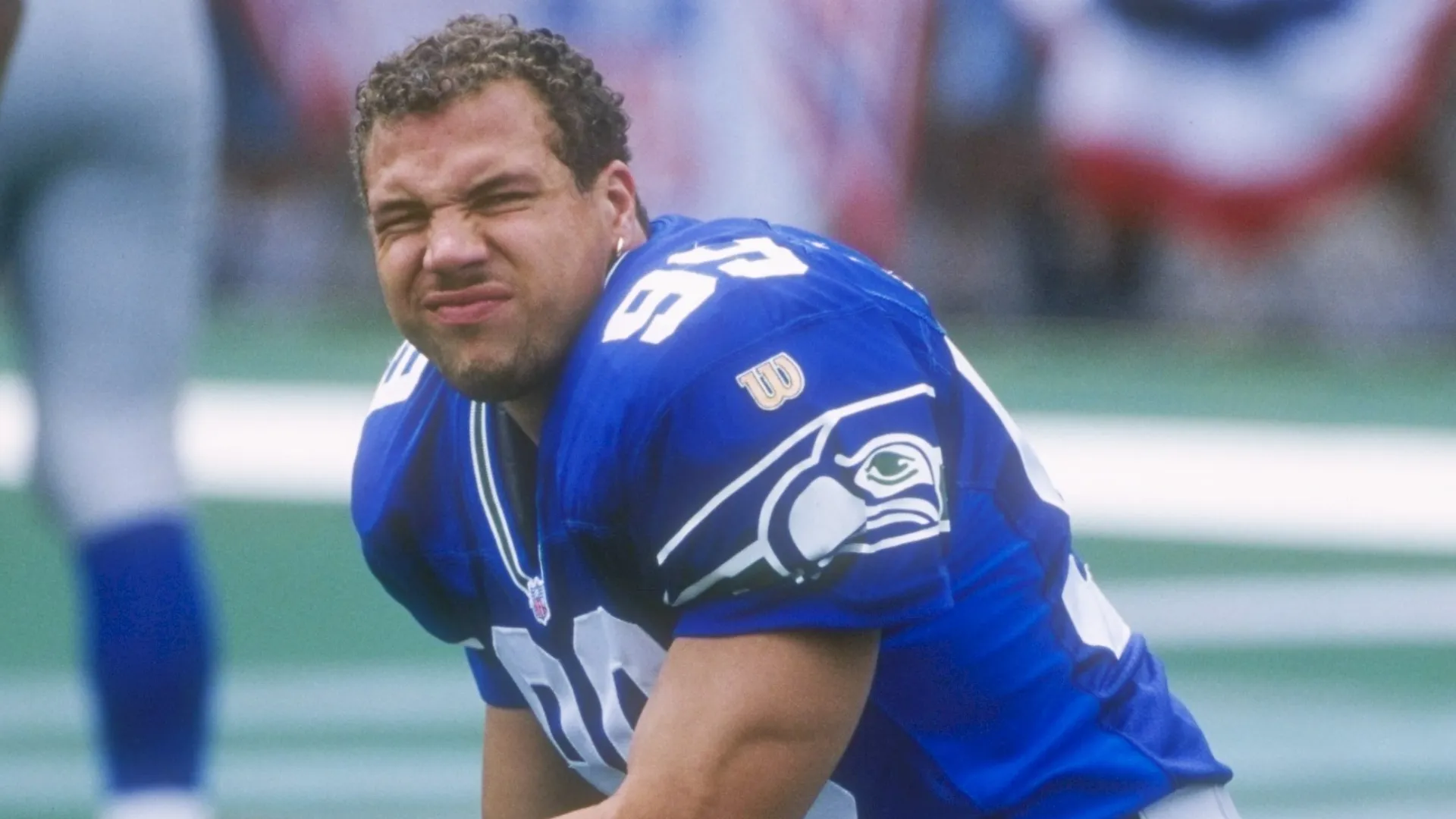
Chad Brown (Source: Jonathan Daniel/Allsport)
Chad Brown was an elite linebacker whose versatility made him an NFL superstar before he made a significant impact in Seattle. He arrived as a high-profile free agent and quickly became the dominant force on the Seahawks defense during the team’s transition to the NFC.
He was a fierce sack-hunter and an excellent open-field tackler. During his time in Seattle, he was selected to two Pro Bowls. Most impressive was his ability to impact the game from multiple positions.
He is remembered as the highest-paid defensive player the franchise had ever signed, and he delivered, providing consistent, high-level performance and anchoring the defense at a time when the team was trying to assert itself as a contender.