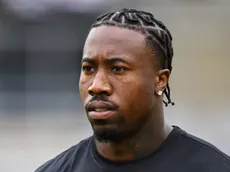
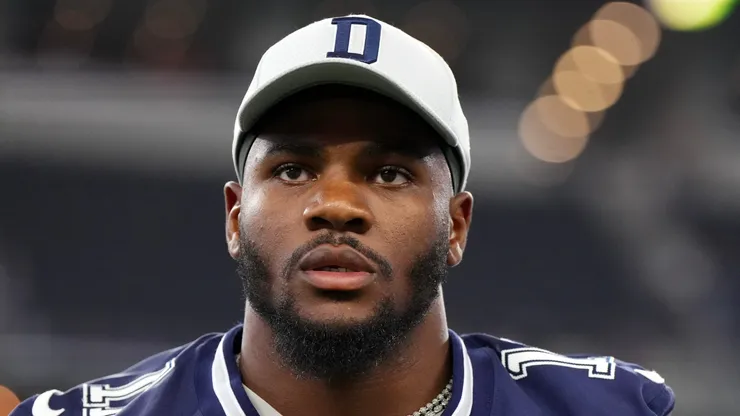
The NFL was stunned when the Dallas Cowboys traded star linebacker Micah Parsons to the Green Bay Packers, a move that instantly reshaped the NFC landscape.
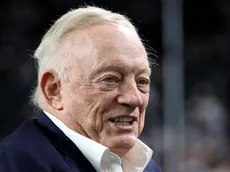
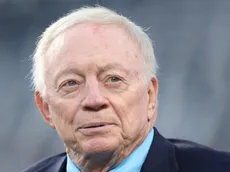
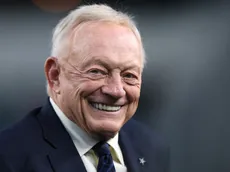
In his first public comments since the trade, Cowboys owner Jerry Jones addressed the reasoning behind the blockbuster deal, shedding light on what led to the shocking departure of one of the team’s top players.
“First of all, I want to tell you that I really like Micah. I appreciate the four years that we’ve had him here. He’s a great player. We are very appreciative of the fact that he’s a great player. There’s no question that I could have signed him.”
Despite his admiration for Parsons, Jones explained that the decision to trade was driven by a combination of strategy and circumstance. The Cowboys received two first-round picks and defensive tackle Kenny Clark in exchange, giving Dallas significant draft capital to help reshape the roster for the future around Dak Prescott and CeeDee Lamb.
“So, we all know that to have agreements, all parties have to agree. This was by design. I did make Micah an offer. It wasn’t acceptable, and I honor the fact that it wasn’t done in the way that he wanted to do it through an agent. So, he was made an offer. There’s not an ounce of vindictiveness.”
Why did Jerry and Cowboys trade Micah Parsons?
Jerry Jones emphasized that the move was business-driven rather than personal. “There’s no bad feelings on my part about the fact that we didn’t come together for an agreement.”
The focus for Dallas now shifts to maximizing the value of the draft picks and adjusting their defense without Parsons, while Green Bay strengthens both sides of the ball with the addition of one of the league’s premier pass rushers.
In the short term, the trade is seen as a win for the Packers, who now boast a rising offense led by Jordan Love and a defense anchored by Parsons’ disruptive presence. For the Cowboys, the deal represents a huge risk. Jones is betting that the draft capital and strategic flexibility will pay off in the coming seasons, even if it means losing an elite player in the present.