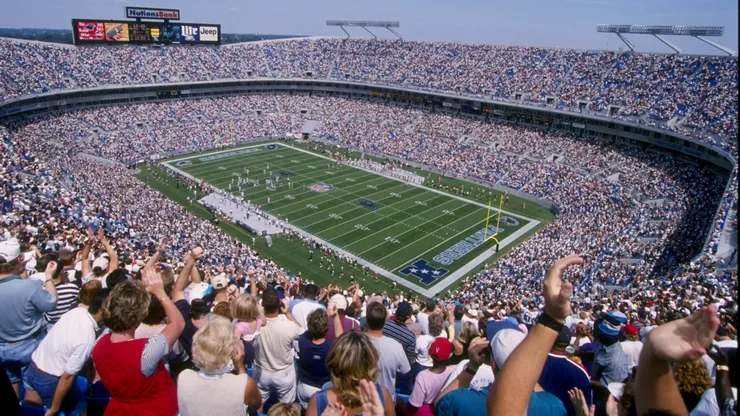
Artificial turf has quietly become a defining feature in many NFL stadiums. No longer just the cheap alternative to grass, modern surfaces like monofilament and slit-film synthetics are engineered for durability, safety and performance.
The shift reflects more than maintenance concerns: climate, cost and event versatility all play a part. Cold weather, heavy use and dual-sport stadiums demand a surface that holds up.
Yet the transition isn’t seamless. Questions linger about injury risks, player preferences and the aesthetics of the game. As teams adopt new turf systems, debates are heating up, about what kind of field truly belongs where football is sacred.
Bank of America Stadium — Carolina Panthers
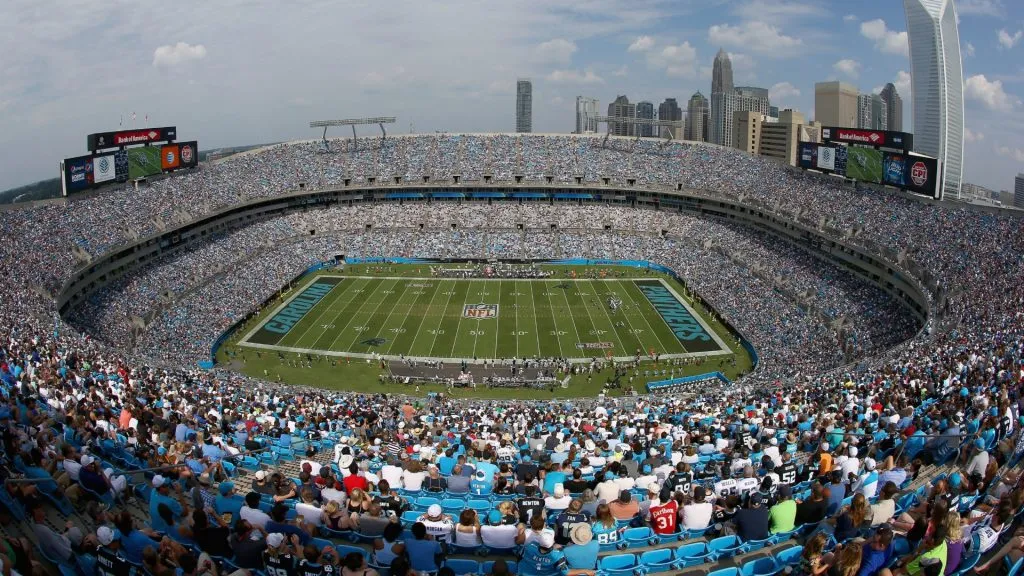
A general view of Ericsson Stadium. (Source: Streeter Lecka/Getty Images)
Home of the Panthers, Bank of America Stadium made a major transition in 2021: switching from natural grass to FieldTurf. The change was driven by the arrival of Charlotte FC (MLS) and a ramp-up in non-NFL events, meaning the stadium would see up to 30 professional games a year when you count everything from soccer to concerts.
The organization emphasized consistency and safety: natural grass in that setting would require constant re-sodding, watering, and upkeep. FieldTurf was already used in several NFL stadiums, which helped reassure players and staff. The Panthers also coordinated with Charlotte FC and others to ensure the turf met high standards; the removed grass & topsoil was recycled for local parks.
Highmark Stadium — Buffalo Bills
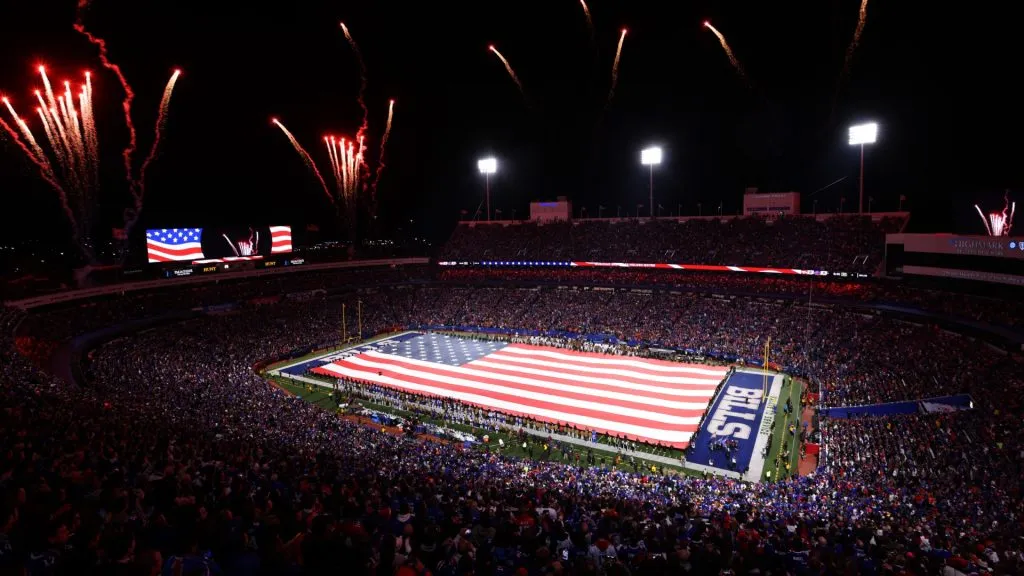
A general view of Highmark Stadium. (Source: Bryan M. Bennett/Getty Images)
Highmark Stadium has used A-Turf Titan 50 since about 2011. Over its lifetime, the stadium has had various synthetic surfaces (AstroTurf, AstroPlay, etc.), but Titan has been its choice for more than a decade.
That said, there’s a big change coming: the Bills are building a new stadium (set to open in 2026) that will feature natural grass instead of synthetic turf. Players and coaches have voiced preference for grass, especially citing concerns over injury risk and comfort.
AT&T Stadium — Dallas Cowboys
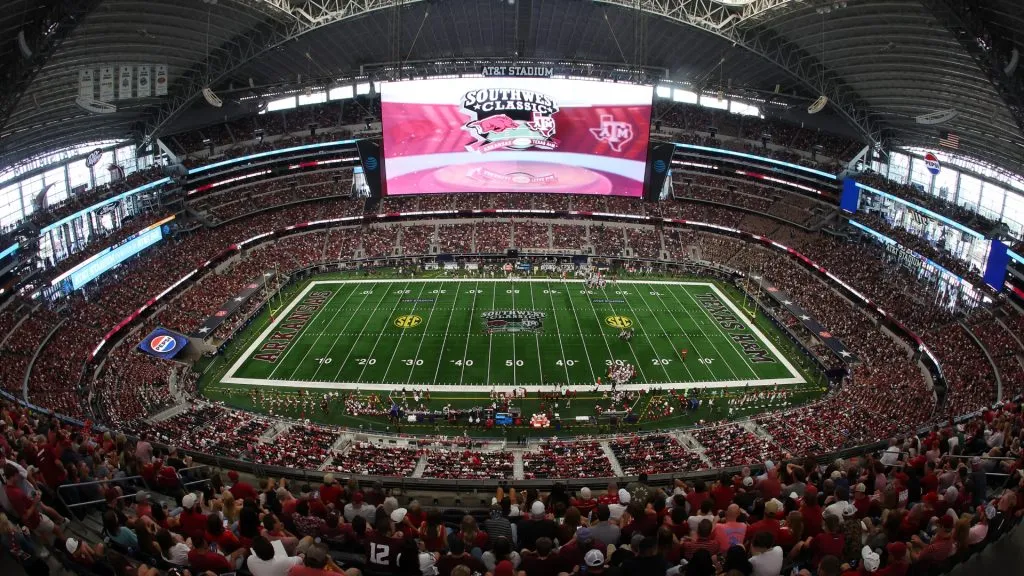
A general view of AT&T Stadium. (Source: Richard Rodriguez/Getty Images)
AT&T Stadium uses Hellas Matrix Turf with Helix Soft Top, a sophisticated synthetic surface that combines monofilament fibers with a modular panel system. The SoftTop design allows the field to be removed or replaced within about 12 hours, giving the venue flexibility to host concerts, soccer, motorsports, and more without damaging the playing surface.
Hellas markets that its Matrix turf maintains blade integrity through heavy use, with consistent shock absorption, traction, and durability. The Cowboys’ turf was also designed to minimize heat and turf “fly-out” during rain, and since 2013 Hellas has promoted it as one of their flagship NFL installations.
Gillette Stadium — New England Patriots
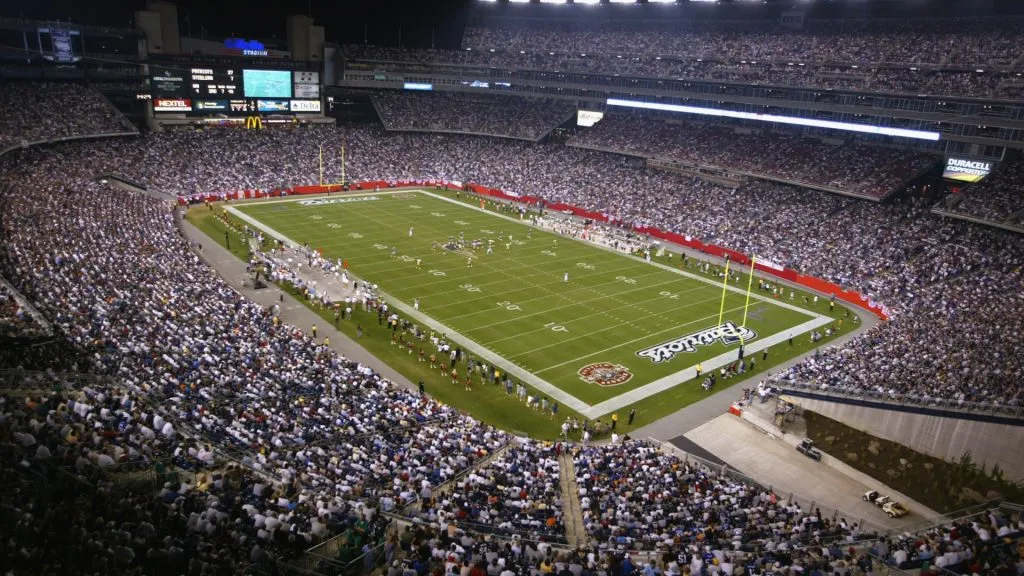
A general view of Gillette Stadium. (Source: Al Bello/Getty Images)
Gillette has long battled challenges growing real grass—lack of sunlight, heavy use, and seasonal swings—so the Patriots opted for synthetic surfaces early on. In 2010 they replaced the field with FieldTurf Duraspine Pro, and later upgraded (in 2014) to FieldTurf Revolution with VersaTile drainage.
The Revolution version is a monofilament fiber turf designed for greater durability and realism. It’s used in multiple major facilities thanks to its wear resistance and consistent performance under varied conditions.
Caesars Superdome — New Orleans Saints
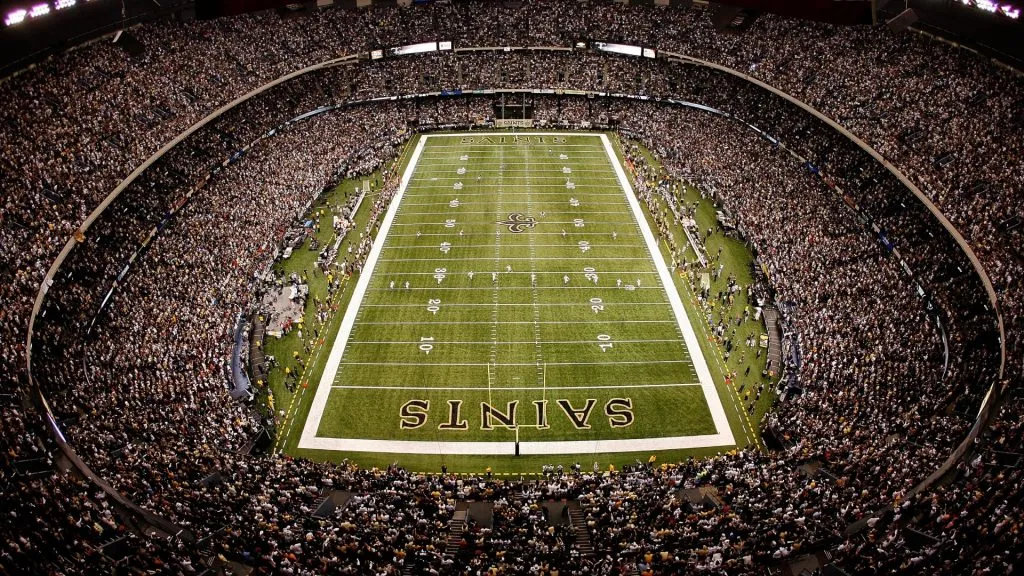
A general view of Caesars Superdome. (Source: Chris Graythen/Getty Images)
The Superdome has used artificial surfaces nearly its entire history. Its earliest turf was “Mardi Grass”, developed by Monsanto, before switching to infilled turf in the 2000s. It hosts Turf Nation S5 (an Act Global product) as its current surface.
Over decades, the Superdome’s turf has evolved through multiple brands—FieldTurf, UBU Speed S5, and others—to keep up with demands for better safety, drainage, and performance. Its long history of turf use makes it a useful case study in how synthetic fields have matured over time.
MetLife Stadium — Giants & Jets
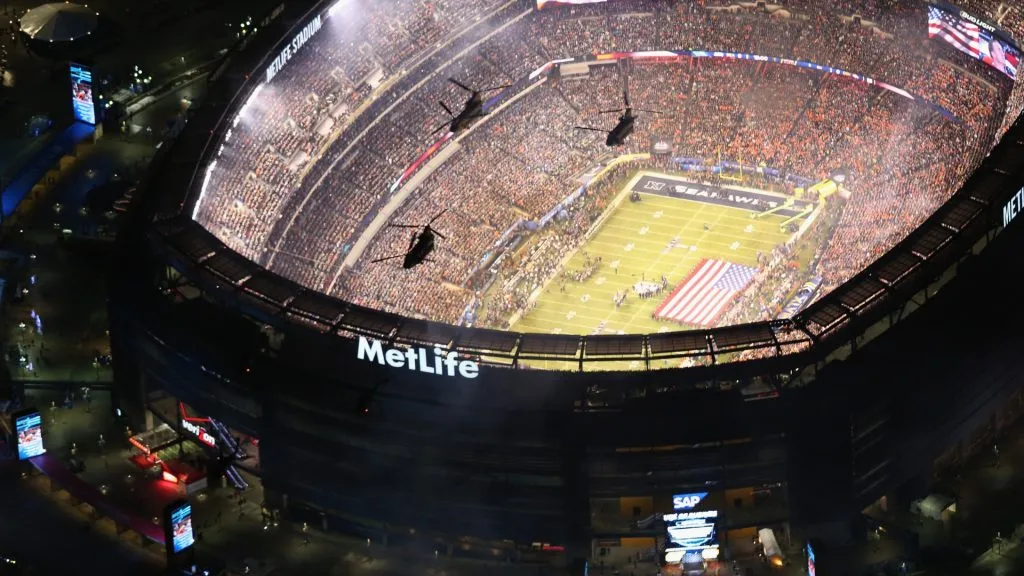
A general view of MetLife Stadium. (Source: John Moore/Getty Images)
In 2023, MetLife Stadium replaced its older synthetic surface with a newer FieldTurf CORE system. The upgrade was framed as a move to reduce injury risk by improving shock absorption, better traction, and lower infill shift.
This change came after years of criticism over the prior turf, especially concerns raised around player safety and traction. Though it’s still artificial, the new system represents one of the more advanced multi-layer synthetic surfaces now in the NFL.
Lucas Oil Stadium — Indianapolis Colts
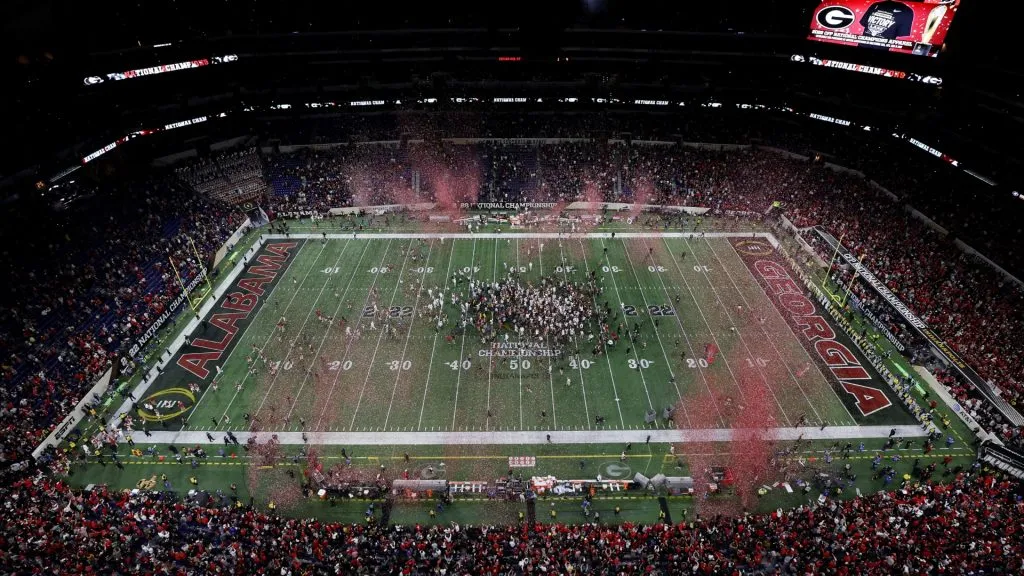
A general view of Lucas Oil Stadium. (Source: Dylan Buell/Getty Images)
From its opening, Lucas Oil Stadium has used artificial turf because it’s an enclosed venue without natural sunlight reaching much of the field. Recent reports suggest the Colts plan to upgrade old slit-film turf to a Hellas Matrix monofilament surface for better performance.
Given that indoor stadiums like Lucas Oil rely heavily on synthetic fields, such upgrades are important: they extend life, improve safety, and reduce maintenance disruptions across seasons.