Starting to play in 2002, the Houston Texans quickly forged an identity built on grit and ambition. In just over two decades, the franchise has seen defensive powerhouses and leaders who carried the team through defining seasons.
From the dominance of J.J. Watt to the precision of Andre Johnson, each era brought a new face to Houston’s rise. Their history may be brief, but its moments of greatness have left a lasting impression across the NFL landscape.
Together, these players chart the evolution of a young franchise finding its voice—through records broken, rivalries ignited and performances that turned Houston into a true football city.
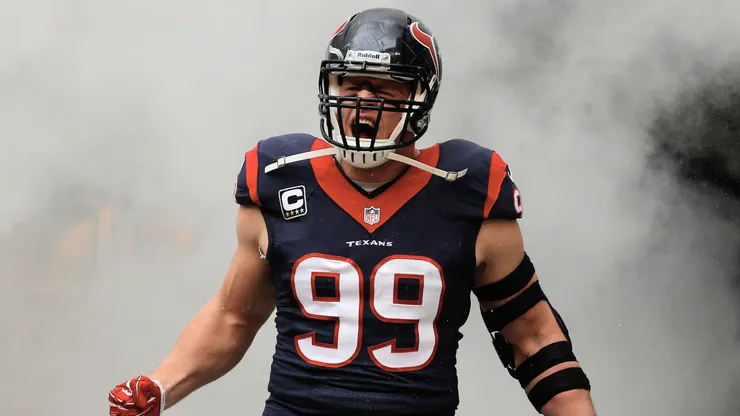
J.J. Watt
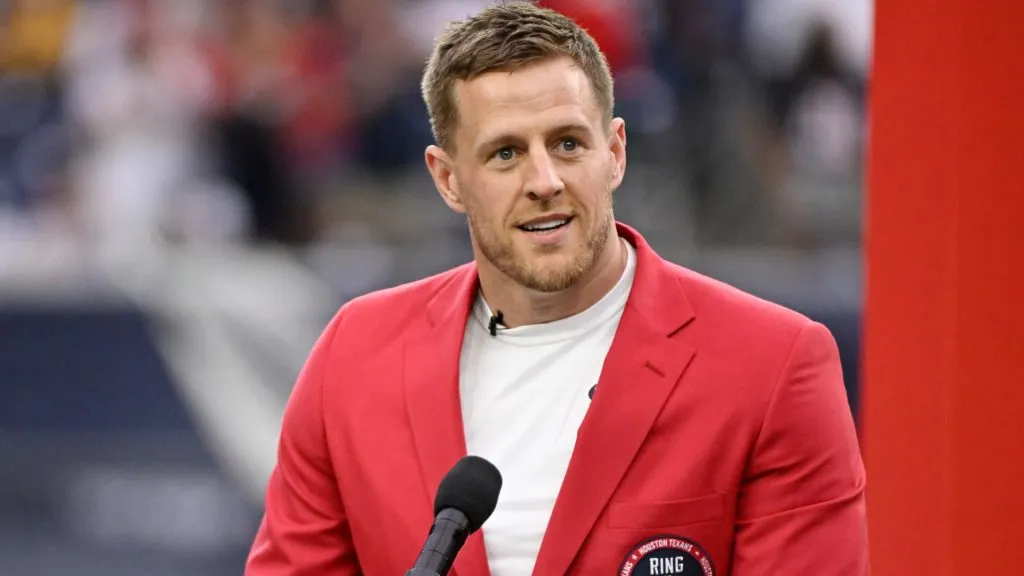
J.J. Watt (Source: Logan Riely/Getty Images)
The legend of J.J. Watt in Houston is defined by an unparalleled combination of on-field dominance and profound civic heroism. He became the franchise’s all-time defensive anchor, achieving the near-impossible feat of earning the AP Defensive Player of the Year Award three times.
His relentless motor, versatility across the defensive line, and ability to score touchdowns made him the most electrifying defensive player of his generation. However, his legacy transcends sacks and tackles for loss.
Following Hurricane Harvey in 2017, he cemented his status as a city icon by leading a massive, global fundraising campaign that raised over $37 million for relief efforts. This act of selfless leadership earned him the prestigious Walter Payton NFL Man of the Year Award, forever linking his name with Houston’s resilience and community spirit.
Andre Johnson
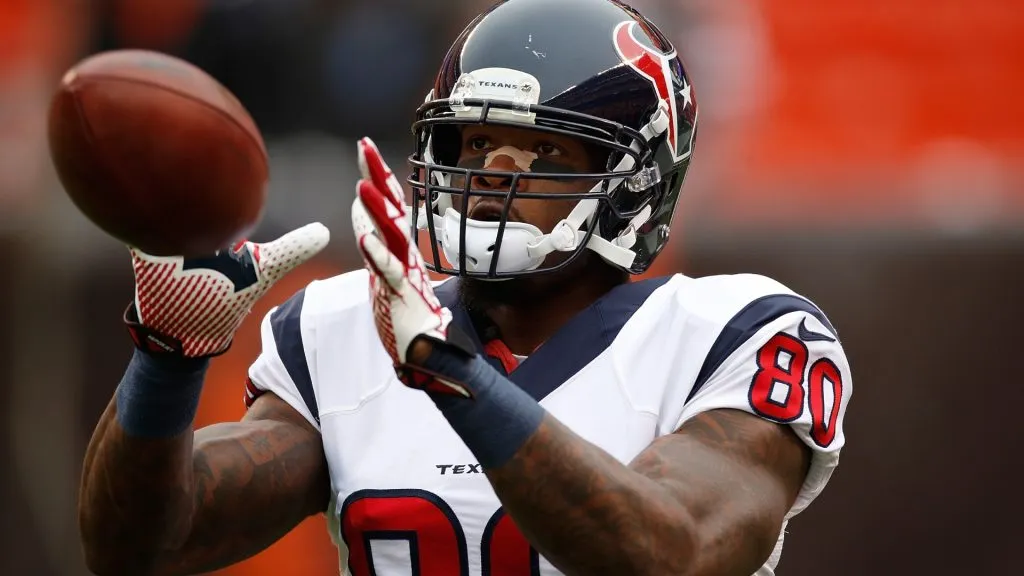
Andre Johnson (Source: Gregory Shamus/Getty Images)
Andre Johnson was the original pillar of the Houston Texans franchise, the first true star wide receiver whose consistent, record-breaking production provided the offensive identity for the team’s first decade.
Drafted third overall in 2003, he amassed team records in nearly every receiving category, including career receptions and receiving yards. His dominance was particularly notable for his ability to achieve elite numbers despite a rotating and often inconsistent group of quarterbacks throwing him the ball.
He became one of only three players in the Super Bowl era—along with Jerry Rice and Calvin Johnson—to lead the NFL in receiving yards in back-to-back seasons. His career culminated in him becoming the inaugural inductee into the Texans’ Ring of Honor.
DeAndre Hopkins
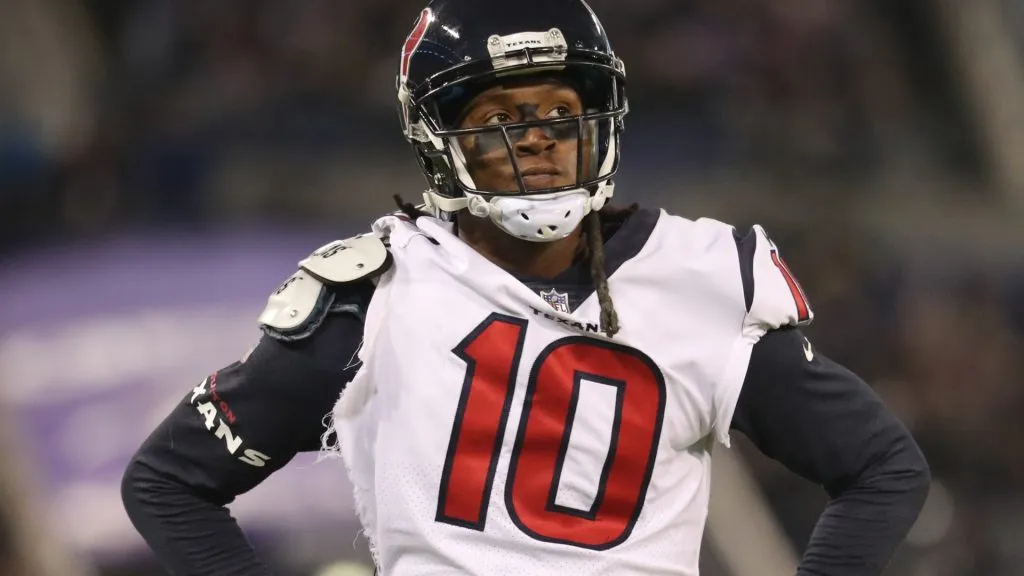
DeAndre Hopkins (Source: Rob Carr/Getty Images)
DeAndre Hopkins seamlessly assumed the mantle of the Texans’ star receiver from Andre Johnson, quickly establishing himself as one of the most physically gifted wideouts of his era. His tenure in Houston was marked by stunning catches, elite consistency, and numerous All-Pro selections, showcasing a spectacular vertical game and the ability to win jump balls against any defensive back.
His production peaked during a remarkable run where he posted five 1,000-yard seasons, including a career-high 1,572 yards in 2018. He was a master of his craft, known for his sure hands and precise route-running.
His unexpected and controversial departure in 2020 via trade remains a highly debated topic among the fanbase, but his dominance solidified his status as one of the franchise’s all-time offensive forces.
Arian Foster
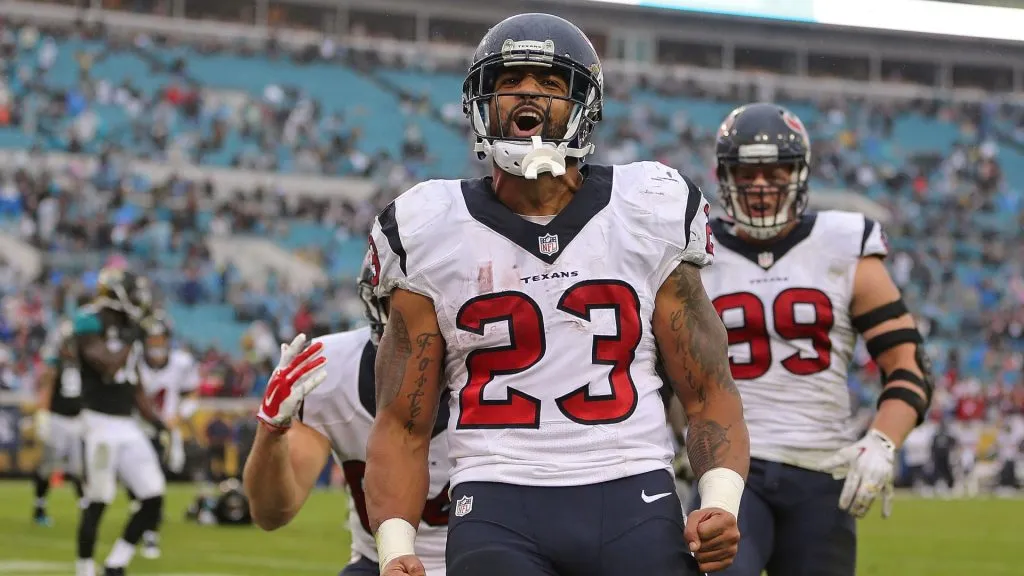
Arian Foster (Source: Rob Foldy/Getty Images)
The story of Arian Foster is one of the NFL’s great underdog narratives. Signed as an undrafted free agent in 2009, he transformed into one of the league’s most dominant rushers, shattering expectations and setting numerous franchise rushing records.
Known for his unique, elusive running style and patience behind the line, he was the engine of the Texans’ offense during their first successful playoff era. He led the NFL in both rushing yards and rushing touchdowns in 2010 and remains the Texans’ all-time leader in rushing yards and rushing touchdowns.
His success validated the team’s development program and made him an inspirational figure whose philosophical, non-conformist personality set him apart both on and off the gridiron.
Duane Brown
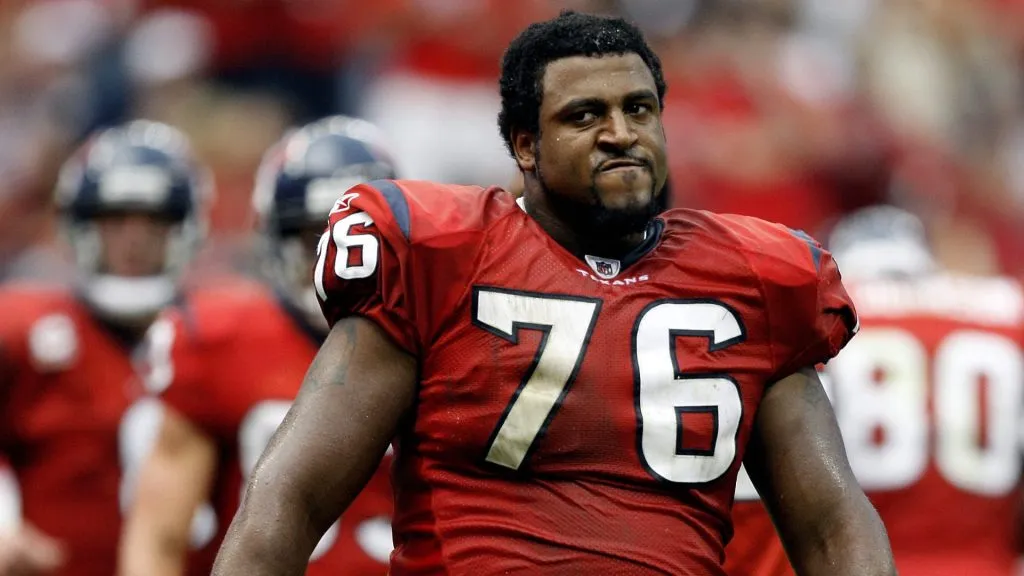
Duane Brown (Source: Bob Levey/Getty Images)
Duane Brown anchored the Texans’ offensive line as the team’s reliable left tackle for nearly a decade, serving as the crucial “blind side” protector for quarterbacks like Matt Schaub. Drafted in the first round in 2008, he immediately established himself as one of the best pass blockers in the AFC, earning multiple Pro Bowl selections and a First-team All-Pro nod in 2012.
The durable lineman was instrumental in the team’s first successful playoff runs, providing the stability necessary for both the passing game and Arian Foster’s running attack. His eventual departure in a mid-season trade in 2017—a move preceded by a contract holdout—was a controversial moment that signaled a shift in the organization’s approach to its veteran core.
Matt Schaub
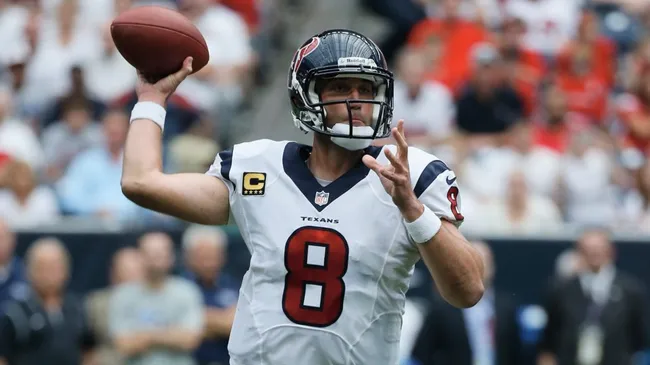
Matt Schaub (Source: Scott Halleran/Getty Images)
Matt Schaub was the franchise quarterback who presided over the Houston Texans’ first true era of competitive relevance. Traded to the team in 2007, he spent seven seasons as the starter, earning two Pro Bowl selections and leading the NFL in passing yards in 2009. He was the field general who guided the Texans to their first-ever playoff berth in 2011, achieving multiple franchise records along the way.
His tenure was marked by dramatic highs—including a franchise-record 379 passing yards in one game—but also by a difficult downturn near the end of his time in Houston, often remembered for a highly public string of interceptions returned for touchdowns. Despite the final struggles, he remains the quarterback synonymous with the organization’s initial rise from expansion team to AFC contender.
Kareem Jackson
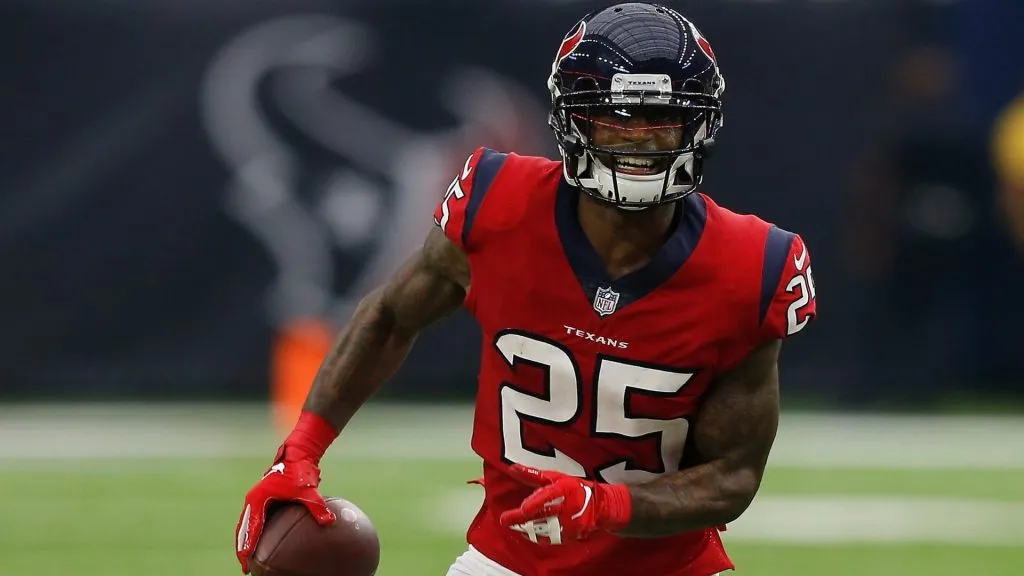
Kareem Jackson (Source: Bob Levey/Getty Images)
Kareem Jackson was a versatile and long-tenured fixture of the Texans’ secondary, spending nine seasons with the franchise after being drafted in the first round in 2010.
His defining trait was his remarkable positional flexibility, starting his career at cornerback before successfully transitioning to safety later in his tenure. This ability to adapt made him an indispensable component of the defense for nearly a decade.
His longevity and consistent defensive production—leaving the team tied for the franchise lead in career interceptions—made him an immediate leader and a respected veteran. He embodied the tough, physical secondary that defined the Texans’ best defensive units of the 2010s, consistently making impact plays across multiple defensive schemes.
Deshaun Watson
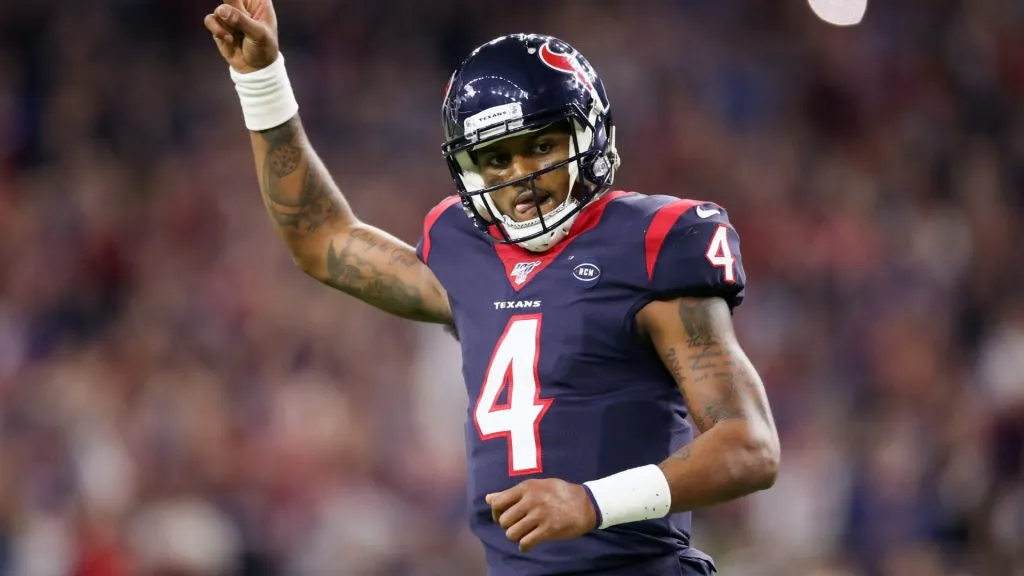
Deshaun Watson (Source: Christian Petersen/Getty Images)
Deshaun Watson‘s tenure with the Texans is one of the most complex and ultimately tragic narratives in franchise history. On the field, he was an undeniable star who brought a level of elite quarterback play the organization had long coveted. He led the Texans to back-to-back division titles in 2018 and 2019 and led the league in passing yards in 2020, earning three Pro Bowl honors.
However, the final chapter of his time in Houston became permanently marred by extensive off-field controversy and legal challenges related to misconduct allegations. His subsequent disagreement with the front office and eventual trade to the Browns left a highly polarizing void, cementing his legacy as a figure whose immense talent was overshadowed by scandal and an untimely exit.
Mario Williams
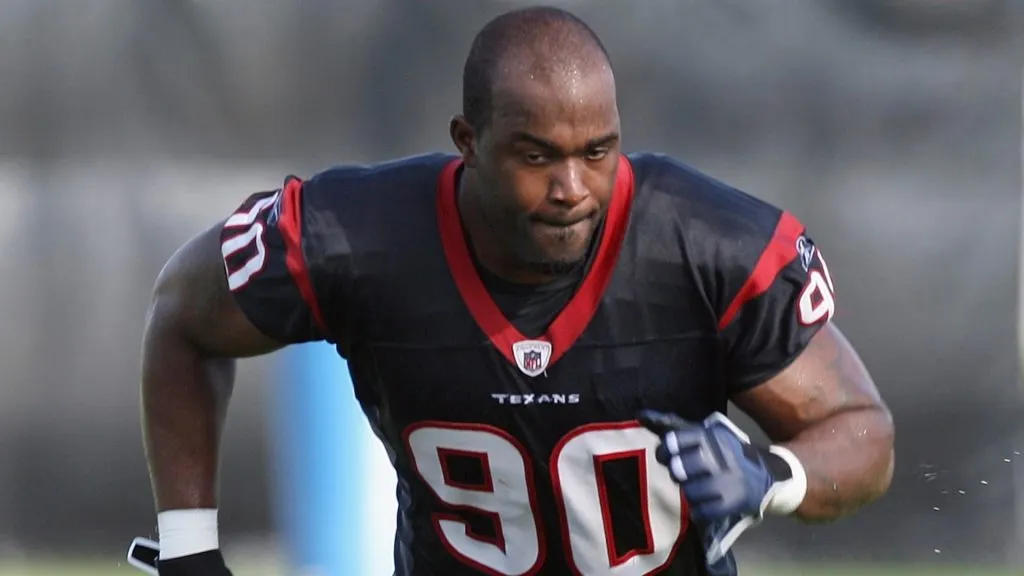
Mario Williams (Source: Bob Levey/Getty Images)
Mario Williams holds the distinction of being the first-ever overall draft pick by the Houston Texans in 2006, a selection that came under intense scrutiny but ultimately provided the team with an elite defensive anchor.
“Super Mario” was a towering defensive end whose speed and power established him as a premier pass-rusher, answering critics by earning two consecutive First-team All-Pro selections and multiple Pro Bowl nods.
He became a foundational piece of the defense, consistently ranking among the league leaders in sacks and tackles for loss. His explosive play was critical in the team’s transition toward competitive relevance in the late 2000s, even though he later departed in free agency, leaving a legacy of immense physical dominance and high-stakes draft significance.
DeMeco Ryans
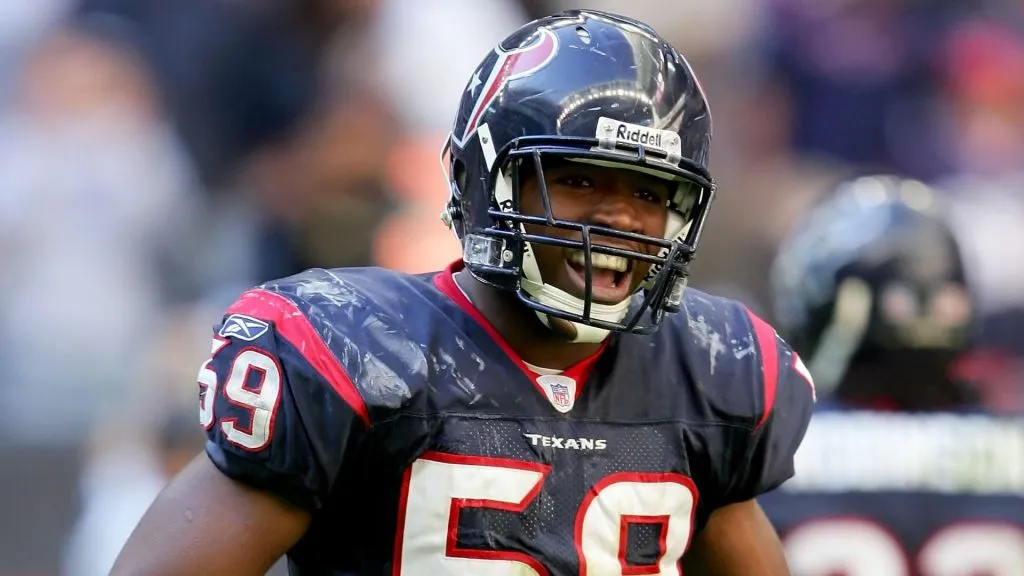
DeMeco Ryans (Source: Lisa Blumenfeld/Getty Images)
DeMeco Ryans’ importance to the Texans is uniquely defined by his success in two different eras of the franchise. Initially drafted in 2006, he was the defensive heart of the team, earning the AP Defensive Rookie of the Year and two Pro Bowl selections as a player.
He was a relentless tackler and a quiet leader, captaining the 2011 squad that claimed the franchise’s inaugural playoff berth. His return to the Texans as head coach in 2023 completed a compelling circle.
He immediately implemented a culture shift, focusing on defensive aggression and team discipline. He led the team to a stunning AFC South title and a playoff victory in his first season, becoming the first coach in NFL history to win a division with a rookie quarterback in his first year as a head coach.
C.J. Stroud
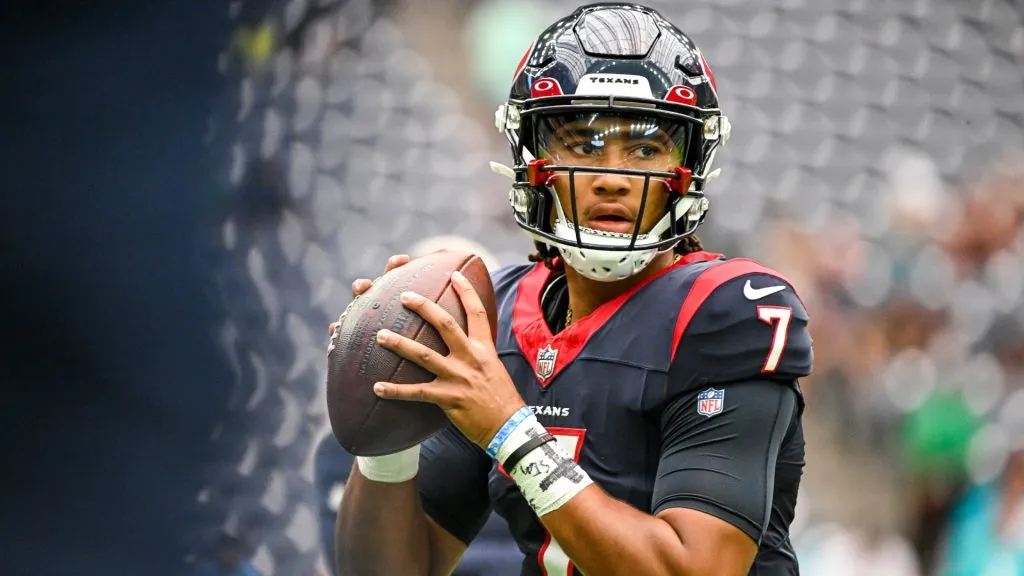
C.J. Stroud (Source: Logan Riely/Getty Images)
C.J. Stroud represents the immediate hope and spectacular future of the Houston Texans franchise. Drafted second overall in 2023, he became the catalyst for an instant turnaround, delivering one of the greatest rookie quarterback seasons in NFL history.
He was named the AP Offensive Rookie of the Year and led the Texans to an unexpected division title and a playoff victory. His debut was record-breaking: he set the NFL mark for the most pass attempts without an interception to begin a career and became just the fifth quarterback in league history to surpass 4,000 yards in his rookie campaign.
His poise, intelligence, and immediate success under pressure established him as the young face of the franchise and the dynamic engine behind the team’s current resurgence.
Owen Daniels
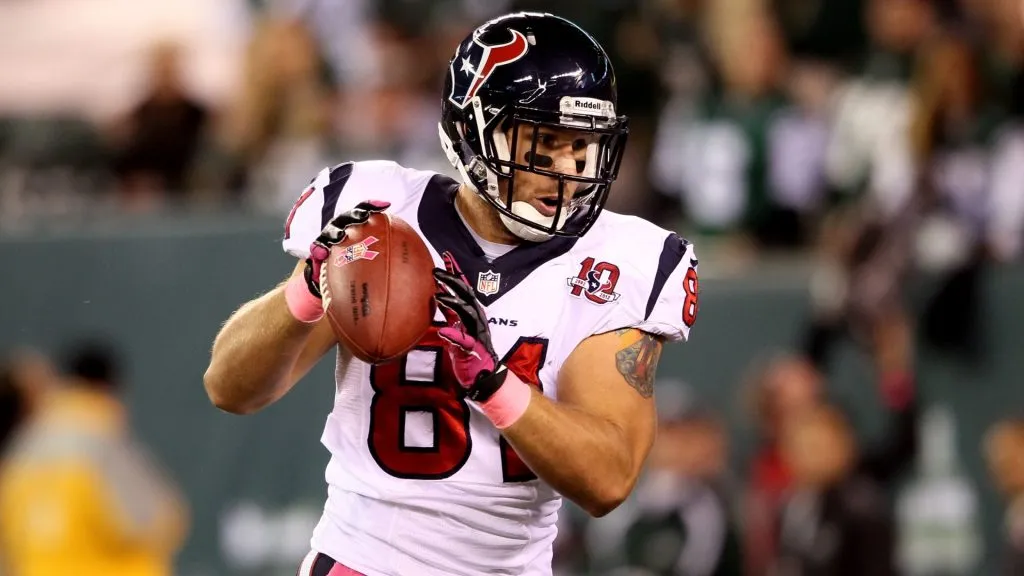
Owen Daniels (Source: Alex Trautwig/Getty Images)
Owen Daniels was the dependable, two-time Pro Bowl tight end who provided crucial stability and production in the Texans’ passing game for years. Drafted in 2006, he became the team’s primary receiving threat at the position, known for his sure hands and consistent yards-after-catch ability.
He anchored the offense for over seven seasons, totaling 385 receptions and 4,617 receiving yards with Houston. His quiet reliability made him indispensable during the team’s first playoff runs, providing a necessary safety valve for quarterback Matt Schaub.
While he achieved his Super Bowl ring with the Broncos later in his career, his work in Houston established the benchmark for tight end production within the franchise.
Shane Lechler
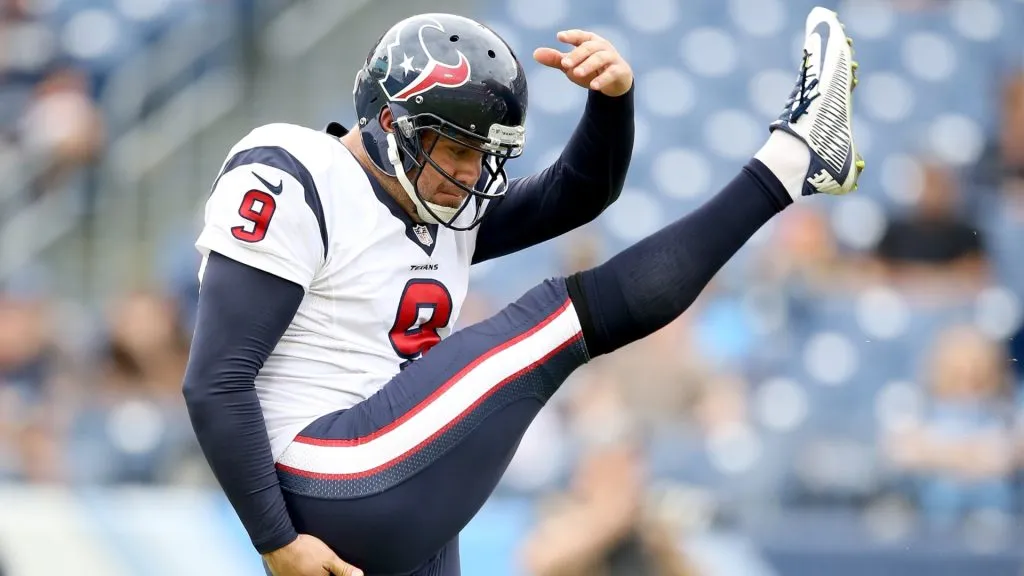
Shane Lechler (Source: Andy Lyons/Getty Images)
Shane Lechler, often regarded as one of the greatest punters in NFL history, brought elite, long-range field position control to the Texans’ special teams unit. After a long, successful run with the Raiders, he joined Houston in 2013 and continued his exceptional career, leading the league in punting yards multiple times.
His dominance was built on immense leg strength and remarkable consistency, earning him multiple All-Pro and Pro Bowl honors over his career. His presence solidified special teams and provided a decisive advantage in field position battles, ensuring the Texans had a specialist whose excellence helped tilt the statistical margins of countless games.
Whitney Mercilus
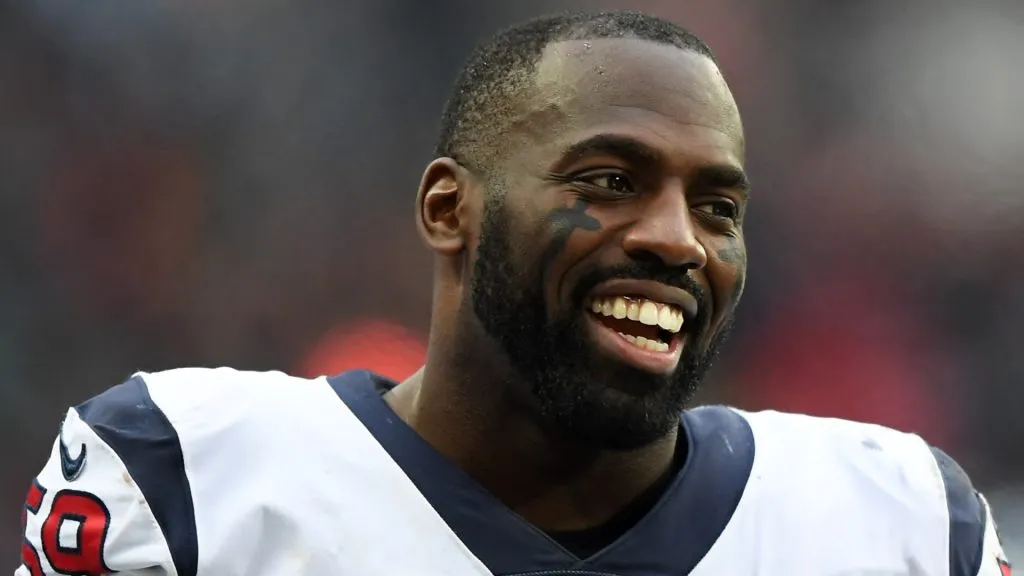
Whitney Mercilus (Source: Alex Davidson/Getty Images)
Whitney Mercilus was a highly productive outside linebacker and a key pass-rushing threat who spent the majority of his career as a staple of the Texans’ defensive front. Drafted in the first round in 2012, he recorded a career-high 12 sacks in 2015 and earned a Second-team All-Pro selection in 2016.
He was a relentless force on the edge, known for his high motor and ability to generate turnovers and pressure on opposing quarterbacks. He was an integral component of the team’s defense during their competitive period of the mid-2010s, showcasing the high level of talent that defined the Texans’ defensive draft strategy.
Will Fuller
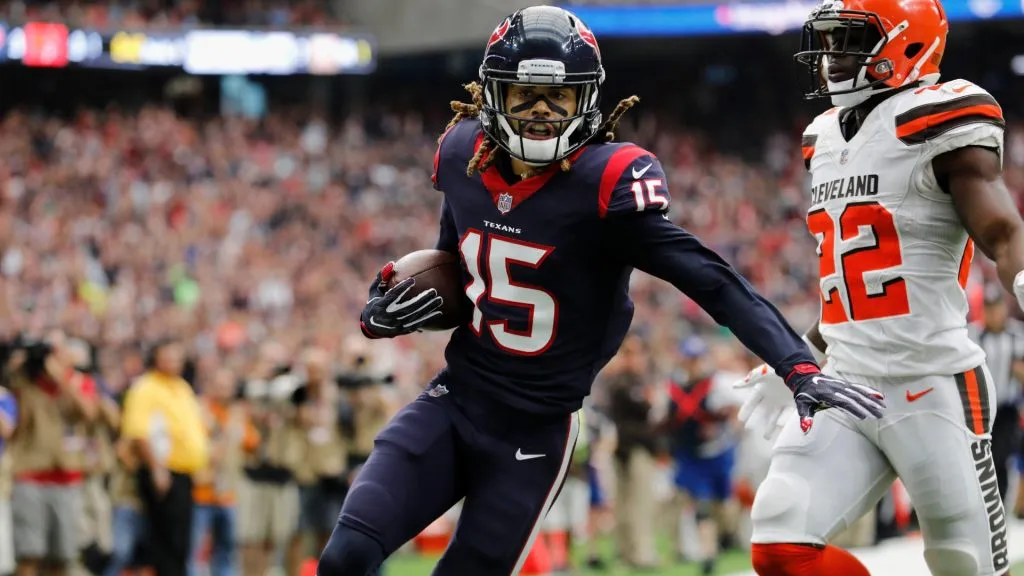
Will Fuller (Source: Tim Warner/Getty Images)
Will Fuller was the electrifying deep threat whose blazing speed and big-play capability stretched opposing defenses during his time in Houston. Drafted in the first round in 2016, he quickly established himself as a dynamic, game-breaking receiver, often pairing perfectly with Deshaun Watson’s downfield passing ability. His speed was his signature asset.
His impact was immediate, setting a franchise rookie record for receiving yards in a season opener. When healthy, his presence completely altered defensive schemes. Despite his career being hampered by injuries, his spectacular highlights and constant threat to score on any given play make him one of the most memorable offensive weapons in franchise history.
Jadeveon Clowney
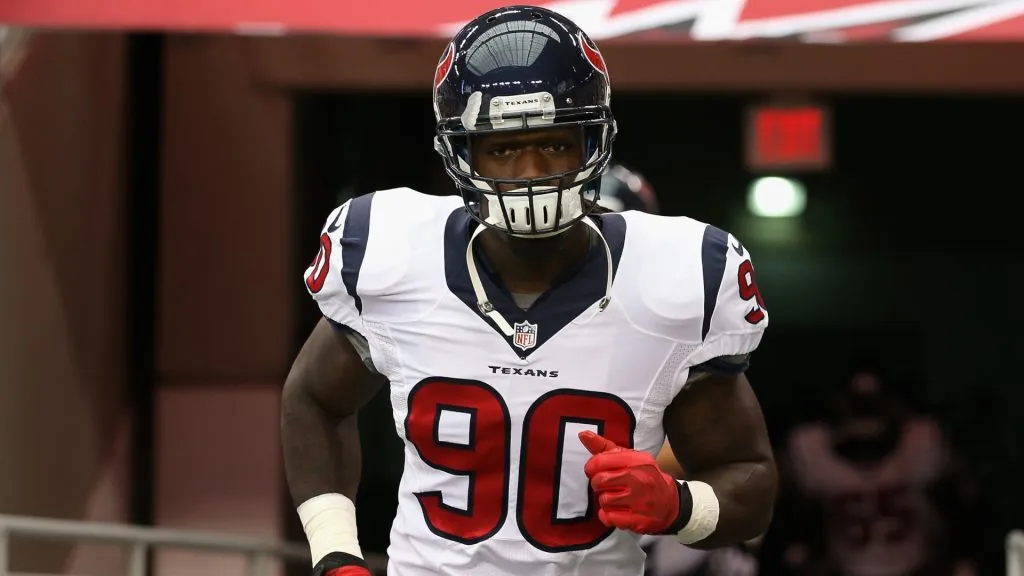
Jadeveon Clowney (Source: Christian Petersen/Getty Images)
Jadeveon Clowney’s time with the Texans is defined by the unique burden of expectations placed upon a No. 1 overall pick. Drafted in 2014, he was hailed as a “once-in-a-generation” defensive talent who would form a terrifying duo with J.J. Watt. While his career never quite reached the consensus Hall of Fame trajectory expected of the top pick, he was a dominant edge presence when healthy.
He was an exceptional run defender and set a powerful edge, earning three consecutive Pro Bowl selections during his tenure. His legacy in Houston is complex: despite his immense talent and high-level play, his inability to reach the 10-sack mark in any season and his eventual trade in 2019 left fans with a sense of “what if” regarding his ultimate potential.
Johnathan Joseph
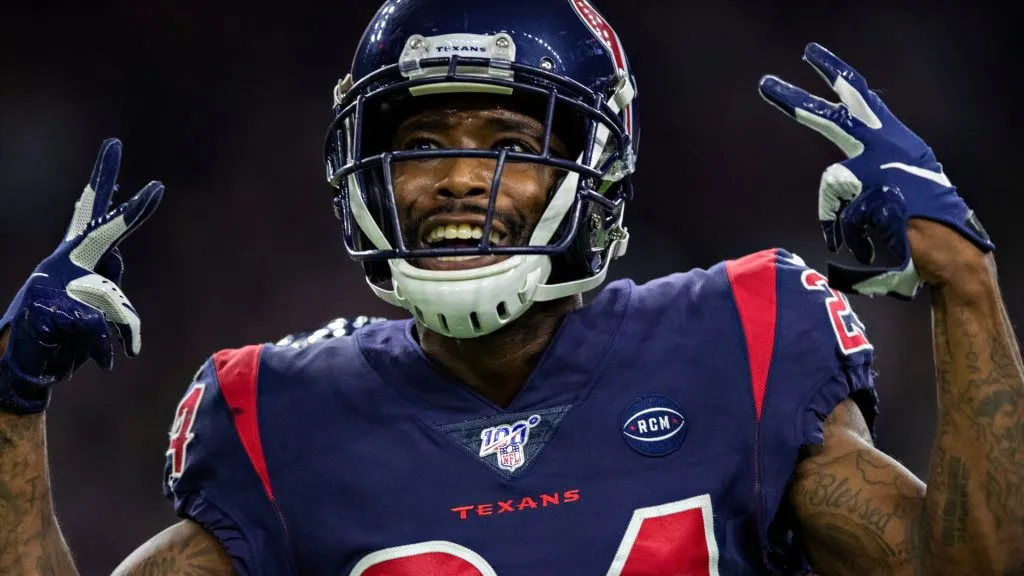
Johnathan Joseph (Source: Wesley Hitt/Getty Images)
Johnathan Joseph was the veteran cornerback whose arrival in 2011 instantly transformed the Texans’ historically weak pass defense into one of the league’s best. Signed in free agency, he became the shutdown corner the franchise desperately needed, providing stability and leadership to a young secondary that included rookie Kareem Jackson.
He was a two-time Pro Bowler and earned a Second-team All-Pro nod, retiring as the franchise leader in both career interceptions and interceptions returned for touchdowns. His intelligence, calm demeanor, and ability to consistently match up against the AFC’s top receivers made him an invaluable mentor and a beloved anchor in the defensive backfield for nine seasons.
Eric Winston
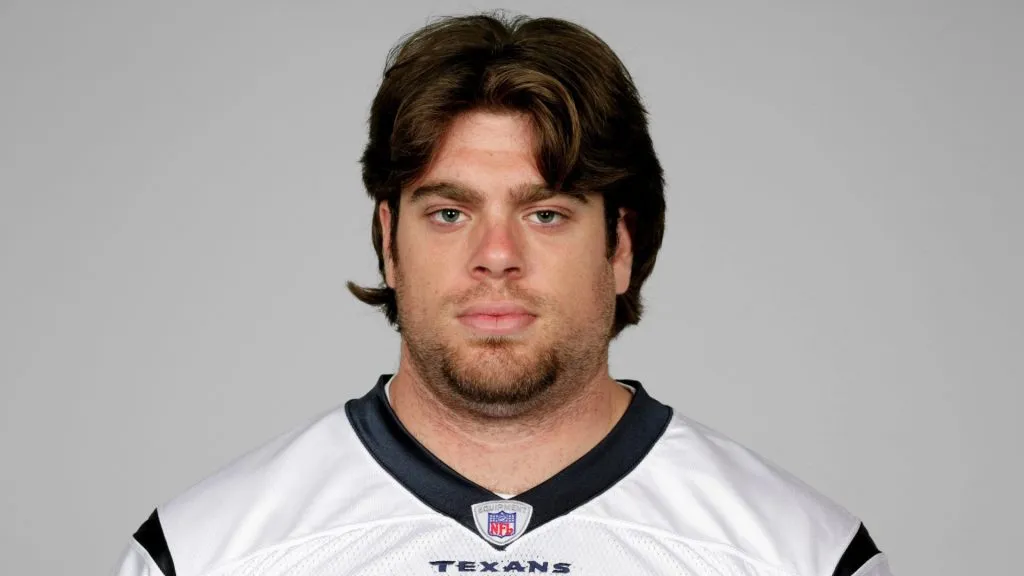
Eric Winston (Source: Getty Images)
Eric Winston embodied the rugged, unheralded reliability of the offensive line during the Texans’ rise to contention. Drafted in 2006, the towering right tackle became an immediate starter and anchored the line for six seasons, providing critical pass protection for the franchise’s first great offensive period under Matt Schaub and Arian Foster.
His influence extended far beyond the gridiron, as he became a highly respected voice in the locker room and eventually served as the President of the NFL Players Association. His outspoken advocacy for player rights, particularly during the 2011 lockout, defined him as a principled leader whose quiet commitment earned him immense respect across the entire league.
Connor Barwin
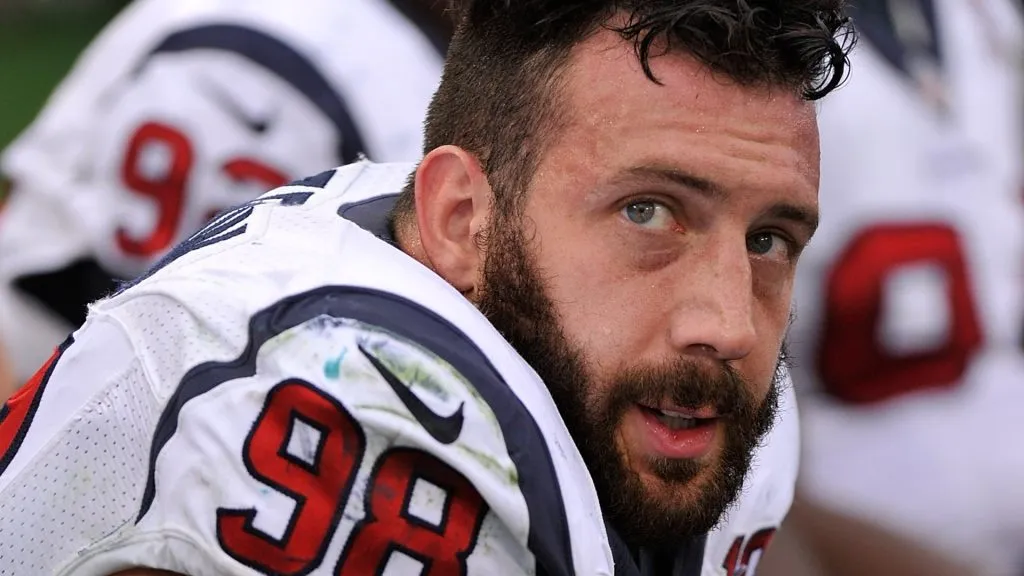
Connor Barwin (Source: Frederick Breedon/Getty Images)
Connor Barwin was the energetic and versatile linebacker whose breakout season was instrumental in the Texans’ 2011 defensive resurgence. Drafted in 2009, he initially played defensive end before shifting to outside linebacker, where his relentless motor and athleticism truly shined under defensive coordinator Wade Phillips.
His most memorable single-game performance came in 2011 when he set a then-franchise record with four sacks in a single game against the Jacksonville Jaguars. Though his overall tenure was relatively short, his high-energy production and position flexibility were crucial elements that helped transform the Texans’ defense into an AFC powerhouse, earning him a place among the team’s most effective pass rushers.
Dunta Robinson
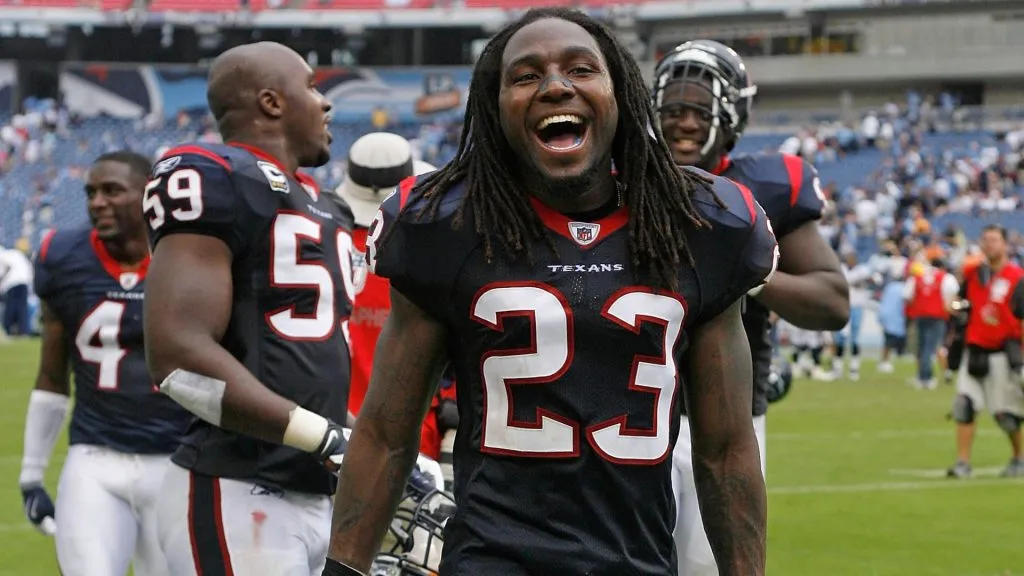
Dunta Robinson (Source: Andy Lyons/Getty Images)
Dunta Robinson was a high-risk, high-reward cornerback and one of the first major foundational draft picks in franchise history, selected 10th overall in 2004. He immediately lived up to his draft status, winning the PFWA Defensive Rookie of the Year Award after his debut season.
His career in Houston was marked by his aggressive, physical playstyle, which often generated big hits and turnovers. While he became the first player in Texans history to receive the franchise tag, his contentious contract negotiations and eventual departure defined the early struggles of the franchise to retain homegrown talent. He left the team as the all-time interceptions leader, cementing his place as a dynamic but complicated figure in the secondary.
Steve Slaton
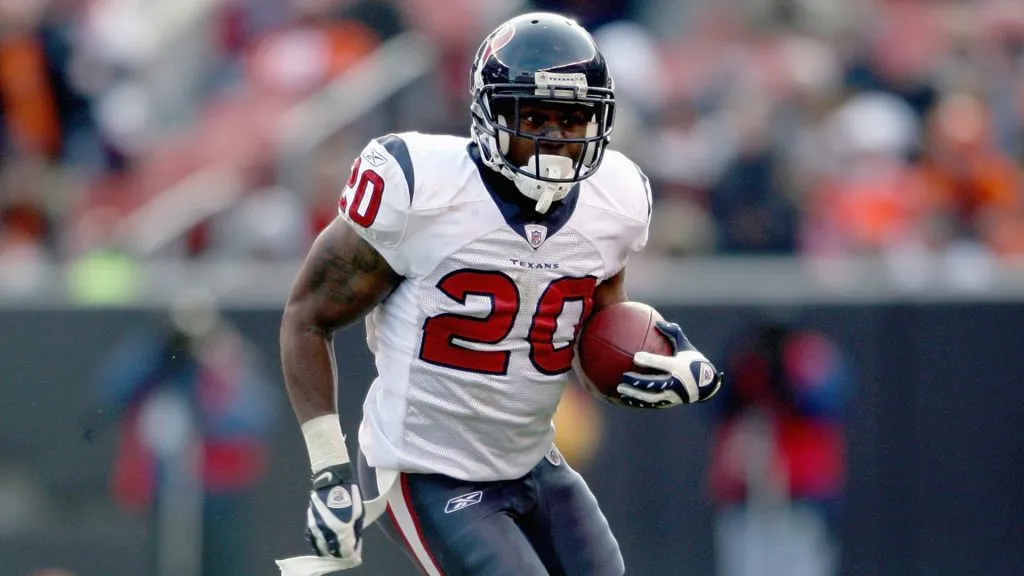
Steve Slaton (Source: Andy Lyons/Getty Images)
Steve Slaton’s brief but brilliant run with the Texans established him as the franchise’s first true rushing sensation. Drafted in the third round in 2008 as a projected third-down back, he shattered expectations, being thrust into the starting role and leading all rookie running backs in rushing yards with over 1,200. His rookie campaign was defined by explosive speed and quickness, instantly becoming a fan favorite.
His success was pivotal in helping the Texans’ offense set new franchise records in yards and production during the late 2000s, often getting stronger as the season progressed. Although injuries tragically cut short his tenure and explosive production, his rookie year remains one of the most exciting individual debut seasons in team history.
Danieal Manning
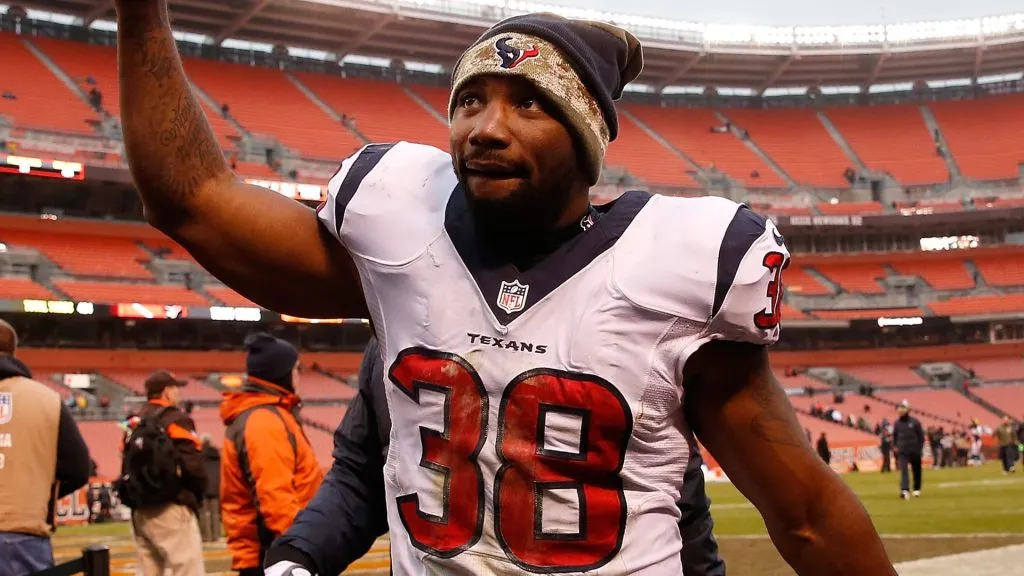
Danieal Manning (Source: Gregory Shamus/Getty Images)
Danieal Manning was the veteran safety whose arrival in 2011 was key to transforming the Texans’ struggling defense into a top-tier unit. Signed in free agency, he provided the necessary veteran presence and playmaking skills to elevate the defensive backfield. He brought versatility, playing both free and strong safety, and was a reliable tackling presence
His impact was immediate, helping the defense flip its narrative from one of the league’s worst to one of the best in a single season, paving the way for the team’s first playoff berth. His four seasons in Houston cemented his reputation as a hard-hitting, intelligent veteran who thrived under the disciplined defensive system of Wade Phillips.
Amobi Okoye
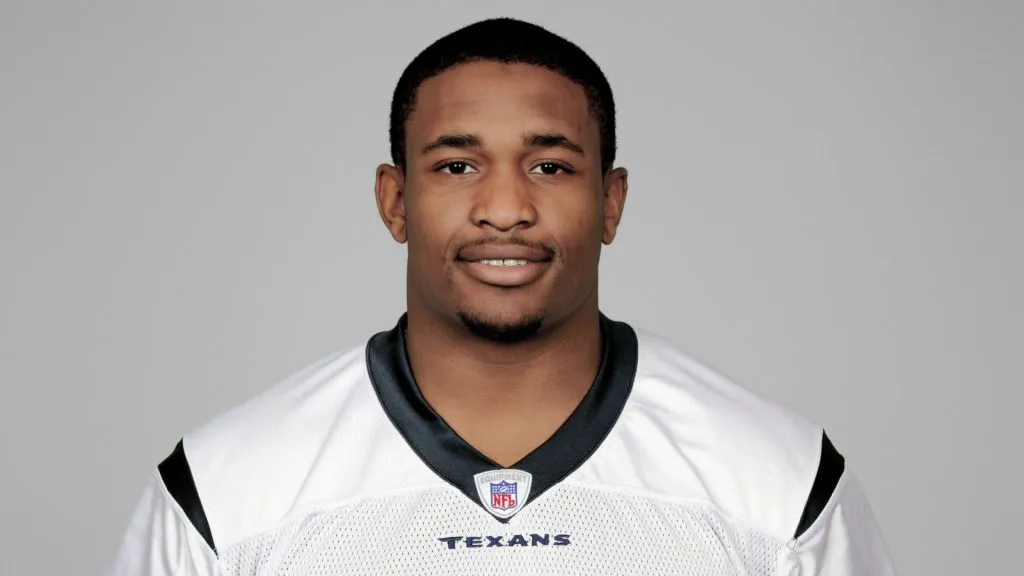
Amobi Okoye (Source: Getty Images)
Amobi Okoye holds a unique piece of NFL history as the youngest player ever drafted in the first round of the modern NFL Draft, selected 10th overall in 2007 at the age of 19. His early career in Houston was marked by remarkable promise, as the defensive tackle earned the AFC Defensive Rookie of the Month award for September 2007.
His legacy is defined by his record-breaking youth and his subsequent personal battle for survival. After his initial four seasons with the Texans, his career was tragically interrupted by a diagnosis of anti-NMDA receptor encephalitis, which required him to be placed in a medically induced coma. His fight to return to the NFL after overcoming such a rare and severe illness is a deeply moving story of human resilience.
Chester Pitts
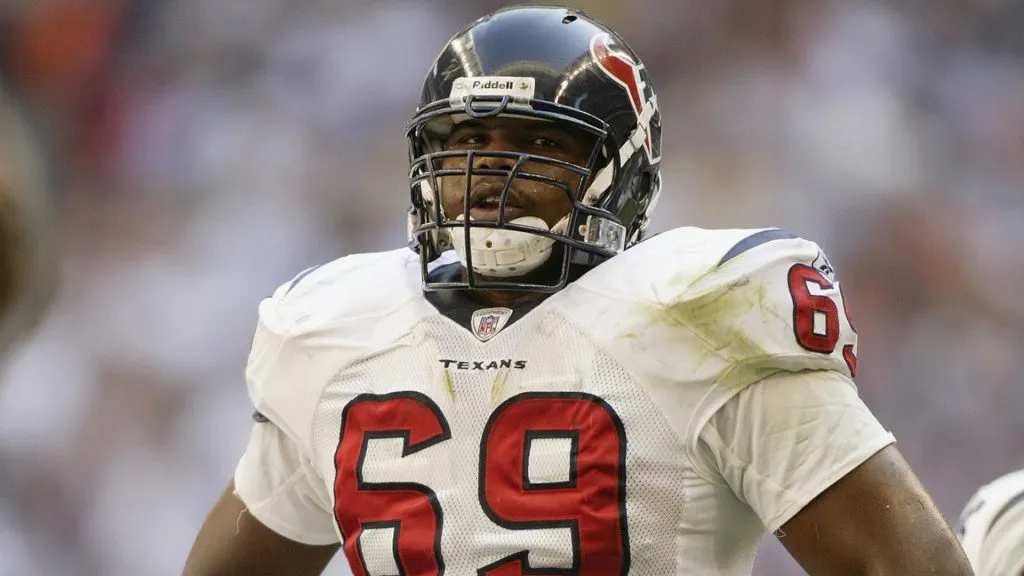
Chester Pitts (Source: Ronald Martinez/Getty Images)
Chester Pitts is the embodiment of the early Texans’ fighting spirit and a true organizational original. Drafted in the second round of the inaugural 2002 NFL Draft, he became the first player in franchise history to start every game he played with the team during his eight seasons in Houston. This streak of durability and consistency made him the cornerstone of the offensive line.
A former college walk-on, his journey from a grocery bagger to an indispensable NFL starter is a testament to perseverance. His consistent presence provided the necessary foundation for the offense during the franchise’s difficult expansion years, and his enduring commitment to the Houston community, highlighted by his charitable foundation, solidified his reputation as a true local legend.
Domanick Williams
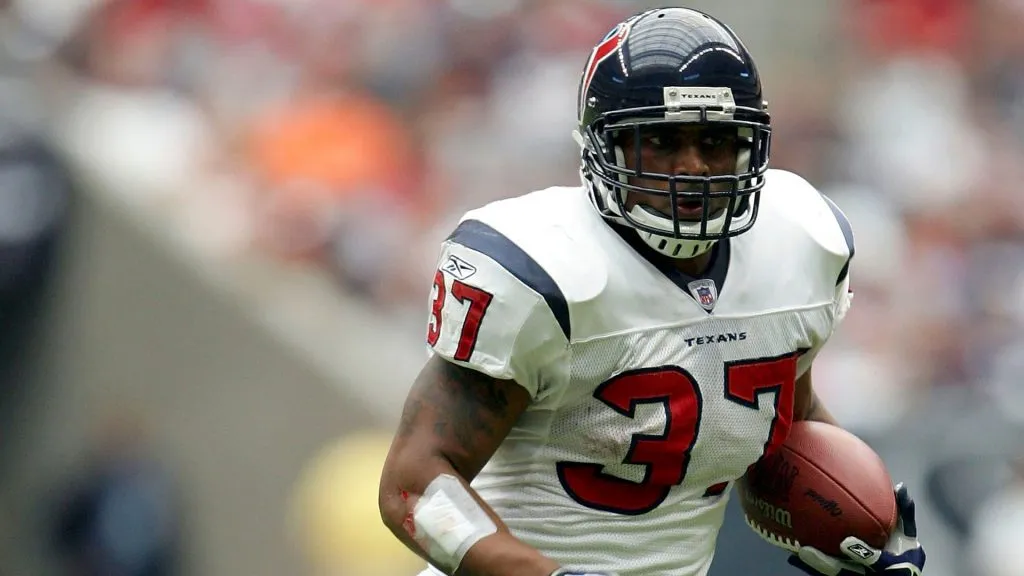
Domanick Davis (Source: Jeff Gross/Getty Images)
Domanick Williams (formerly Domanick Davis) immediately established himself as the premier offensive star in the early years of the Texans franchise. Drafted in 2003, he won the Pepsi NFL Rookie of the Year Award and proceeded to rush for over 1,000 yards in each of his first two seasons. He was a versatile threat, combining powerful running with exceptional receiving skills out of the backfield.
He was the initial offensive focal point that gave the Texans an identity outside of their expansion status. Although his promising career was tragically cut short after only three seasons due to a knee injury in 2005, his explosive production and immediate success made him the first great running back in team history.