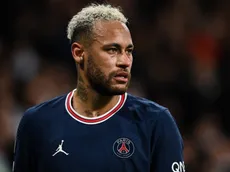
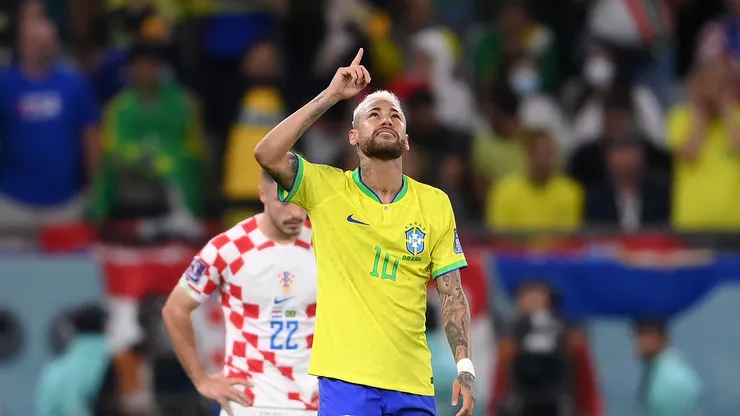
Neymar Jr. and Romario are two of the most iconic figures in Brazilian soccer, embodying the essence of Jogo Bonito. Neymar, in particular, has been making headlines following his unexpected return to Santos, the club where his career began. Amid the renewed spotlight on Brazilian legends, Ronaldo Nazario recently shared his thoughts on both stars.
The former Brazilian striker confidently claimed that his level during his playing days was superior to that of today’s European stars, including Erling Haaland, Robert Lewandowski, and Zlatan Ibrahimović. “All these guys watched me play, they had my posters in their rooms, man…” Ronaldo joked during an interview with ESPN.
However, when asked to compare himself with Romario—another Brazilian football icon—Ronaldo was more measured in his response. “Romário was tough, really tough… But I think I played more,” said the two-time World Cup champion, who lifted the trophy in 1994 and 2002.
The conversation also turned to Neymar, Brazil’s all-time leading goal scorer with 80 goals in 128 appearances, surpassing Ronaldo’s 62 goals in 98 matches. “Neymar is incredible, my God… But I think I played better,” Ronaldo asserted.
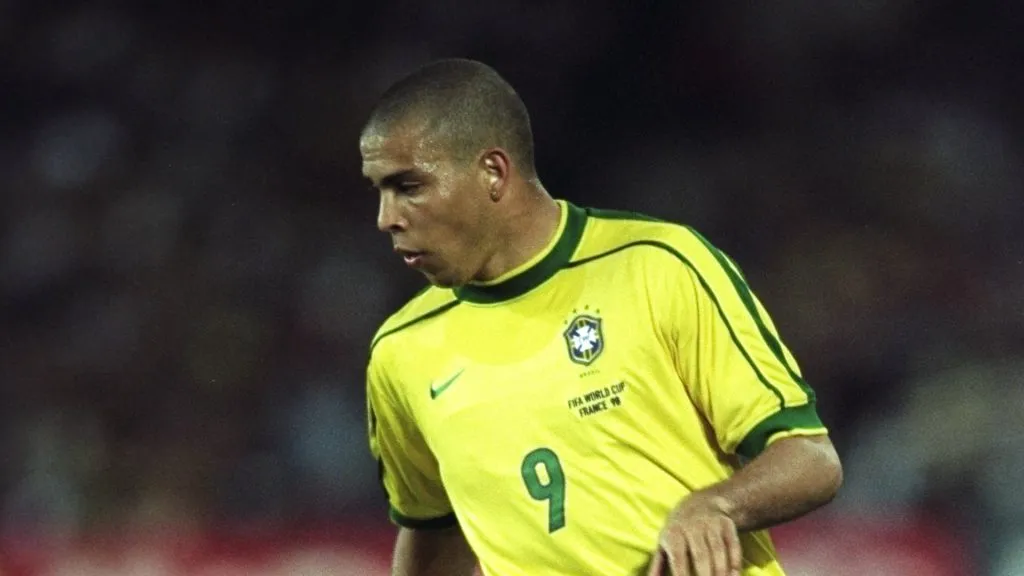
Ronaldo of Brazil on the ball during the World Cup group A game against Morocco
Ronaldo vs. Neymar vs. Romário: three legends, one legacy
Brazil has produced some of the greatest forwards in soccer history, and few have left a bigger mark than Ronaldo Nazário, Neymar Jr., and Romário. Though they played in different eras and had distinct playing styles, their careers naturally invite comparisons in terms of impact, achievements, and legacy with the Brazilian national team.

Ronaldo Nazário, known as O Fenômeno, is widely regarded as one of the best strikers of all time. A two-time Ballon d’Or winner and two-time World Cup champion, Ronaldo dominated for clubs like Barcelona, Inter Milan, and Real Madrid with his blistering speed, technical skill, and prolific goal-scoring ability. Injuries prevented him from an even more dominant career, but his triumphant return at the 2002 World Cup cemented his place among soccer’s greatest legends.
Neymar Jr., on the other hand, represents Brazil’s modern footballing brilliance. His flair, dribbling, and creativity have made him a global icon. At the club level, he has won major titles with Santos, Barcelona, and Paris Saint-Germain, including a historic Champions League triumph in 2015 alongside Lionel Messi and Luis Suárez. However, unlike Ronaldo and Romario, he has yet to lead Brazil to World Cup glory—something that continues to weigh on his legacy.
Romario was the defining striker of the 1990s, spearheading Brazil’s World Cup-winning campaign in 1994 after a 24-year drought. Known for his clinical finishing, quick movement in tight spaces, and lethal goal-scoring instinct, Romario was a nightmare for defenders. While his club career in Europe was not as enduring as Ronaldo’s or Neymar’s, his contributions to the national team remain legendary.
Does Neymar belong in the same category as Ronaldo and Romario?
When it comes to legacy, Ronaldo and Romário hold the edge thanks to their World Cup triumphs, a feat Neymar has yet to achieve despite his undeniable talent. Even though Neymar has surpassed Pelé as Brazil’s all-time top scorer, his lack of a World Cup title is a significant factor in discussions about his place among the country’s greatest players.

Each of these three superstars left an indelible mark on football, but their legacies differ. Ronaldo is revered for his resilience and ability to overcome adversity, Romario for his goal-scoring prowess, and Neymar as the most commercially influential Brazilian player of the 21st century.
The question remains: Will Neymar elevate himself to the same legendary status as Ronaldo and Romario, or will his career be remembered as one of unfulfilled potential without the ultimate international prize?