In a sport built on routine, nothing disrupts baseball like a losing streak that spirals out of control. Days blur together, standings sink and each game adds pressure that can’t be ignored.
MLB history is filled with teams that briefly lost their footing, but only a few endured stretches where defeats became the defining storyline of an entire season. Those runs reshaped clubhouses and altered legacies.
One streak, in particular, still serves as the benchmark for sustained struggle. Its impact reached far beyond the box score, embedding itself into baseball’s collective memory.
1889 Louisville Colonels | 26 games
The longest losing streak in Major League Baseball history dates back to a very different era. In 1889, the Louisville Colonels endured 26 consecutive losses, a collapse shaped by unstable rosters, uneven competition, and the growing pains of professional baseball itself.
Playing in the American Association, Louisville struggled to keep pace in a league still defining its standards. The streak became a symbol of how unforgiving early baseball could be, and more than a century later, it still stands alone at the top of MLB’s most infamous records.
1961 Philadelphia Phillies | 23 games
The 1961 Phillies hold the distinction of the longest losing streak in the modern MLB era. Over a punishing stretch of 23 straight defeats, Philadelphia unraveled amid pitching breakdowns and defensive lapses during a season defined by expansion-era imbalance.
What made the streak especially jarring was its visibility—this was baseball on a national stage, with daily box scores documenting a collapse that seemed endless. Decades later, the Phillies’ skid remains the benchmark for prolonged failure in post-1900 Major League history.
2024 Chicago White Sox | 21 games
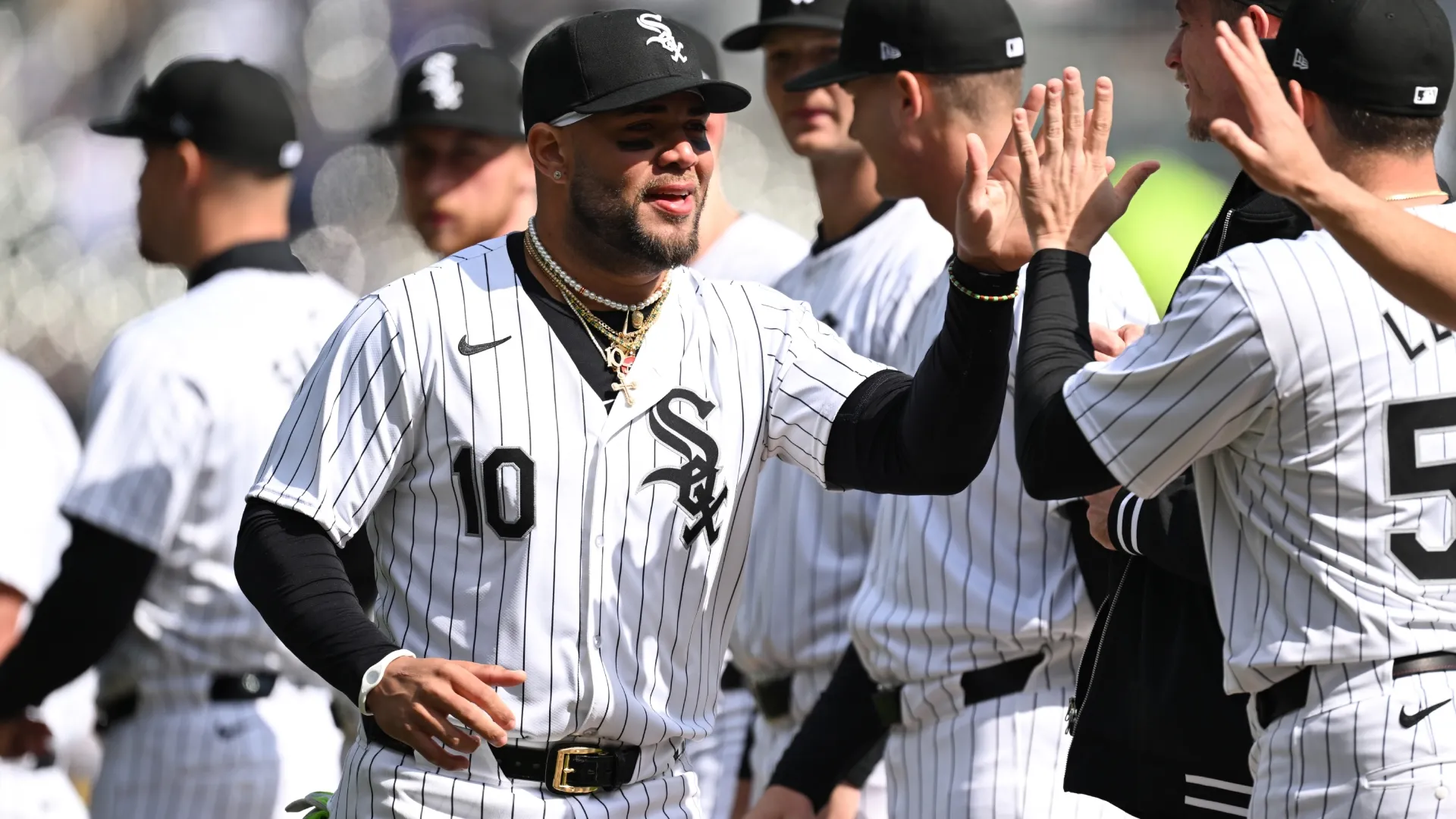
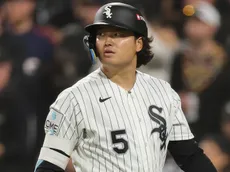
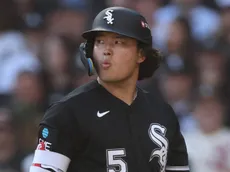
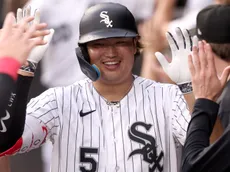
Yoan Moncada #10 of the Chicago White Sox (Source: Quinn Harris/Getty Images)
In an era dominated by analytics, depth charts, and roster optimization, the 2024 Chicago White Sox still found themselves trapped in a nightmare run of 21 consecutive losses. The streak unfolded over weeks, fueled by injuries, offensive stagnation, and bullpen instability, quickly becoming the defining storyline of Chicago’s season.
As losses mounted, comparisons to historical low points resurfaced across the league. When the run finally ended, it offered relief—but also cemented the White Sox in a conversation no franchise wants to revisit.
1988 Baltimore Orioles | 21 games
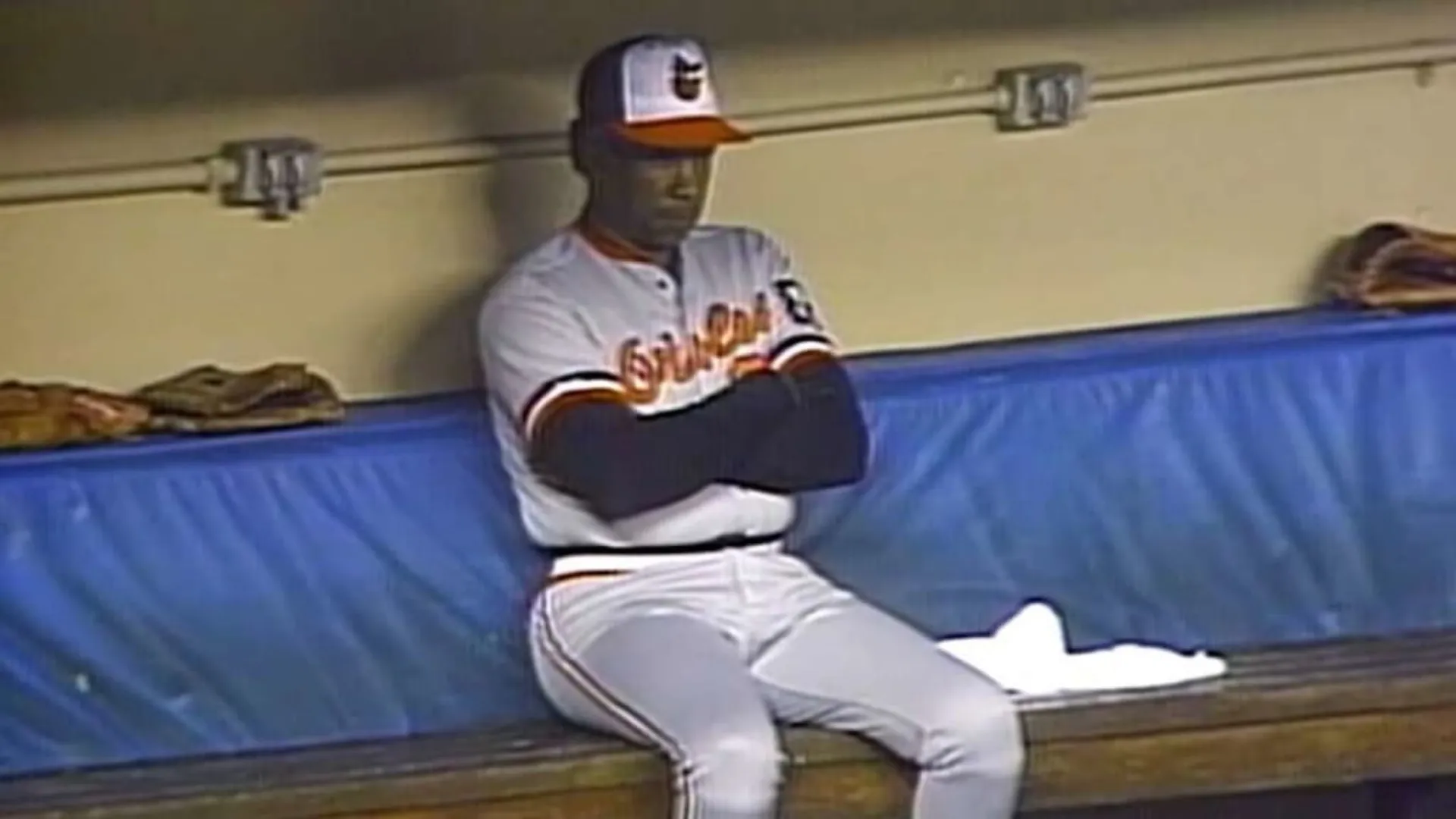
Baltimore Orioles (Source: MLB)
For the Baltimore Orioles, the 1988 season began with immediate and historic trouble. The team opened the year by losing 21 games in a row, a start so severe it effectively ended any competitive hopes before spring had settled in.
Injuries and thin pitching depth exposed a roster in transition, while the mounting pressure only deepened the spiral. Though the Orioles eventually broke the streak, the damage was irreversible, leaving the 1988 club permanently linked to one of baseball’s most brutal openings.
1969 Montreal Expos | 20 games
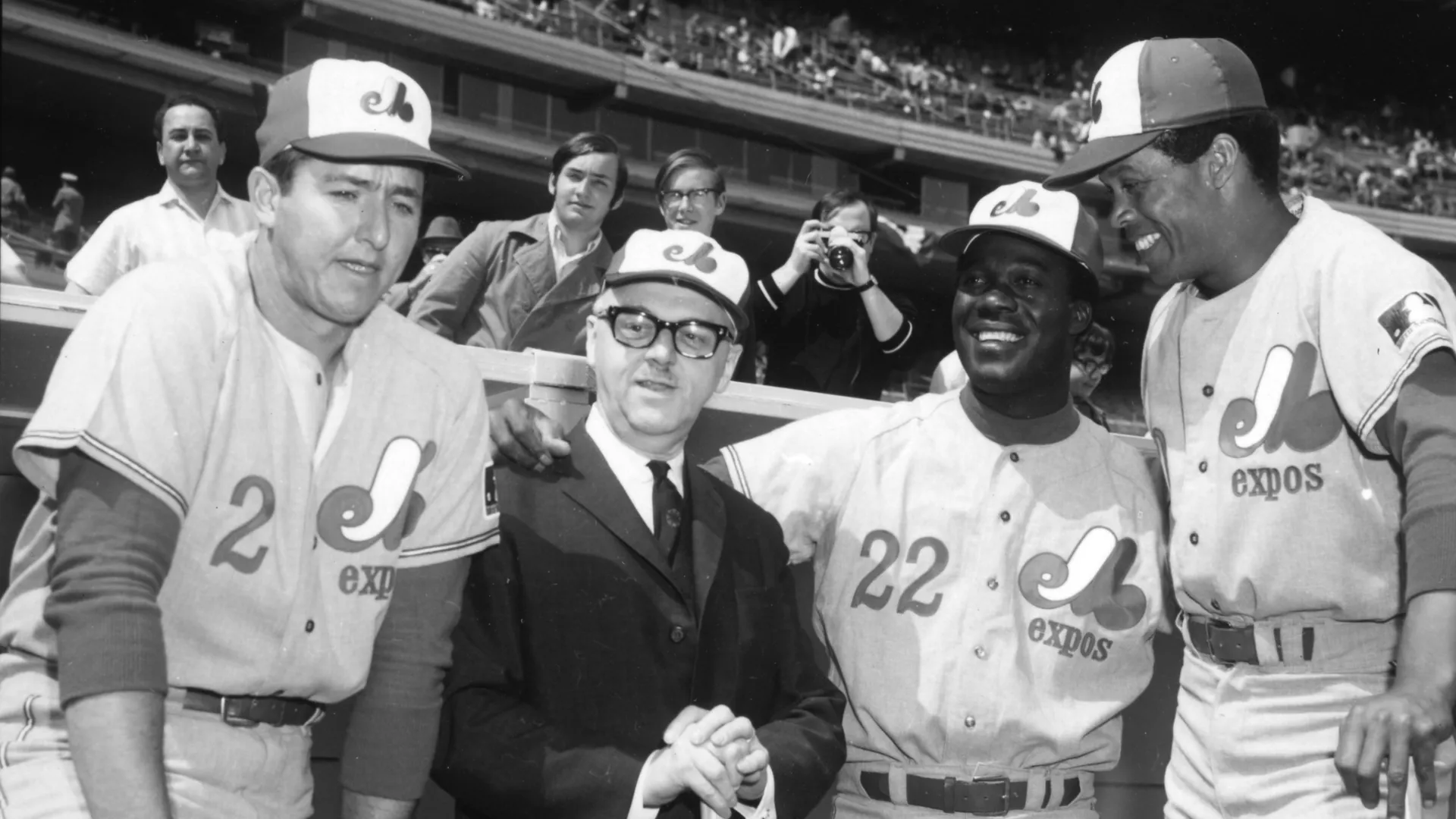
Montreal Expos (Source: Society for American Baseball Research)
Expansion franchises are often measured by patience, and the 1969 Montreal Expos learned that lesson immediately. In their inaugural season, the Expos suffered 20 consecutive losses, a stretch that highlighted the challenges of building a competitive roster from scratch.
Youth, inexperience, and limited depth combined to overwhelm the first-year club. While the Expos would eventually secure a place in baseball history with more successful seasons, that early skid remains one of the most severe introductions any MLB franchise has faced.
1943 Philadelphia Athletics | 20 games
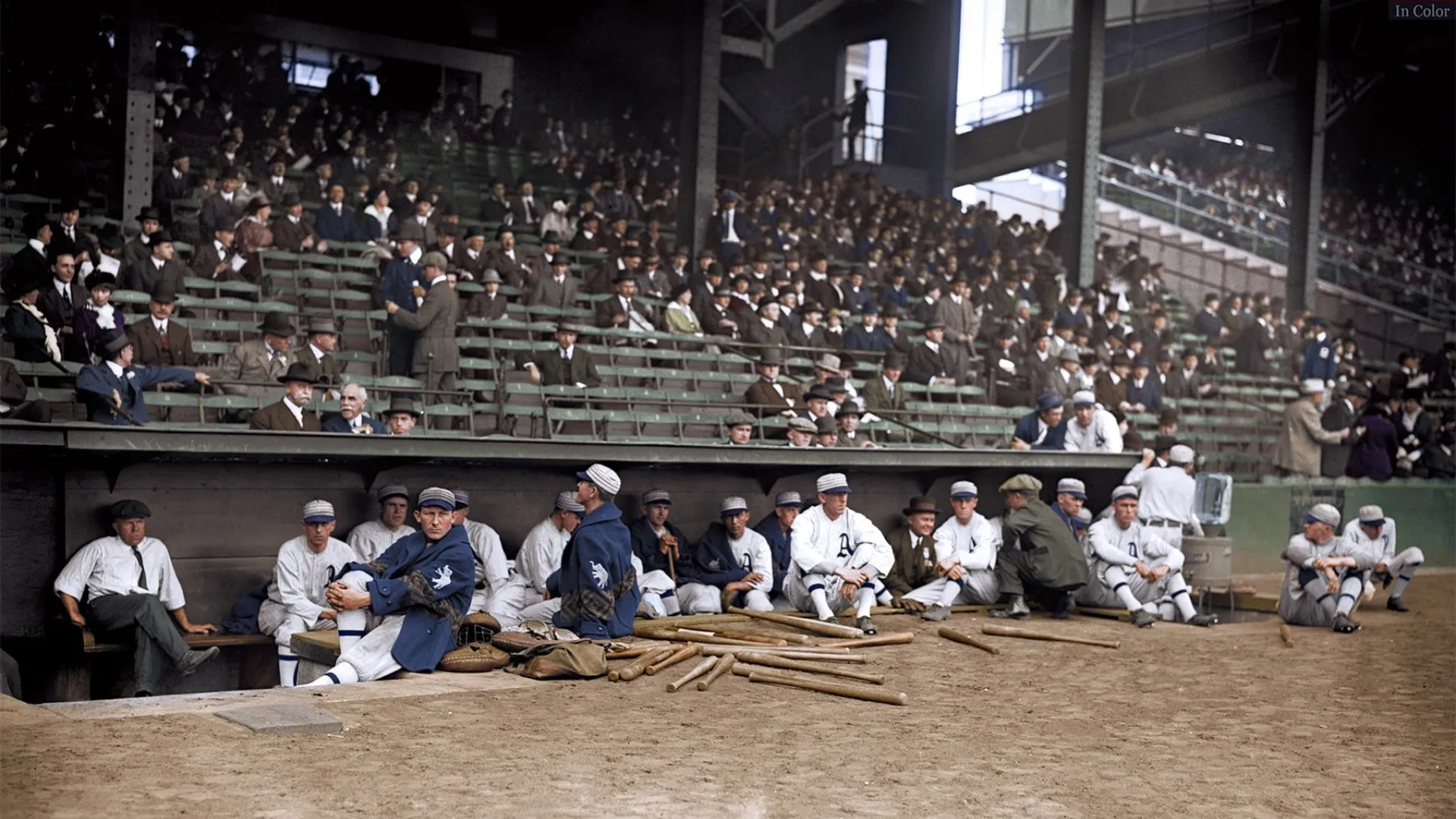
Philadelphia Athletics (Source: Baseball History Comes Alive)
In the midst of World War II, the Philadelphia Athletics endured one of the bleakest stretches in franchise history, dropping 20 straight games in August 1943. Under manager Connie Mack, the A’s slogged through a brutal run where pitching inconsistencies and slumps at the plate turned every series into a battle just to stay competitive.
That streak tied them with several other early-era clubs for a place among the longest losing runs in the modern era, and it helped define a season that would see the team finish well out of contention.
1916 Philadelphia Athletics | 20 games
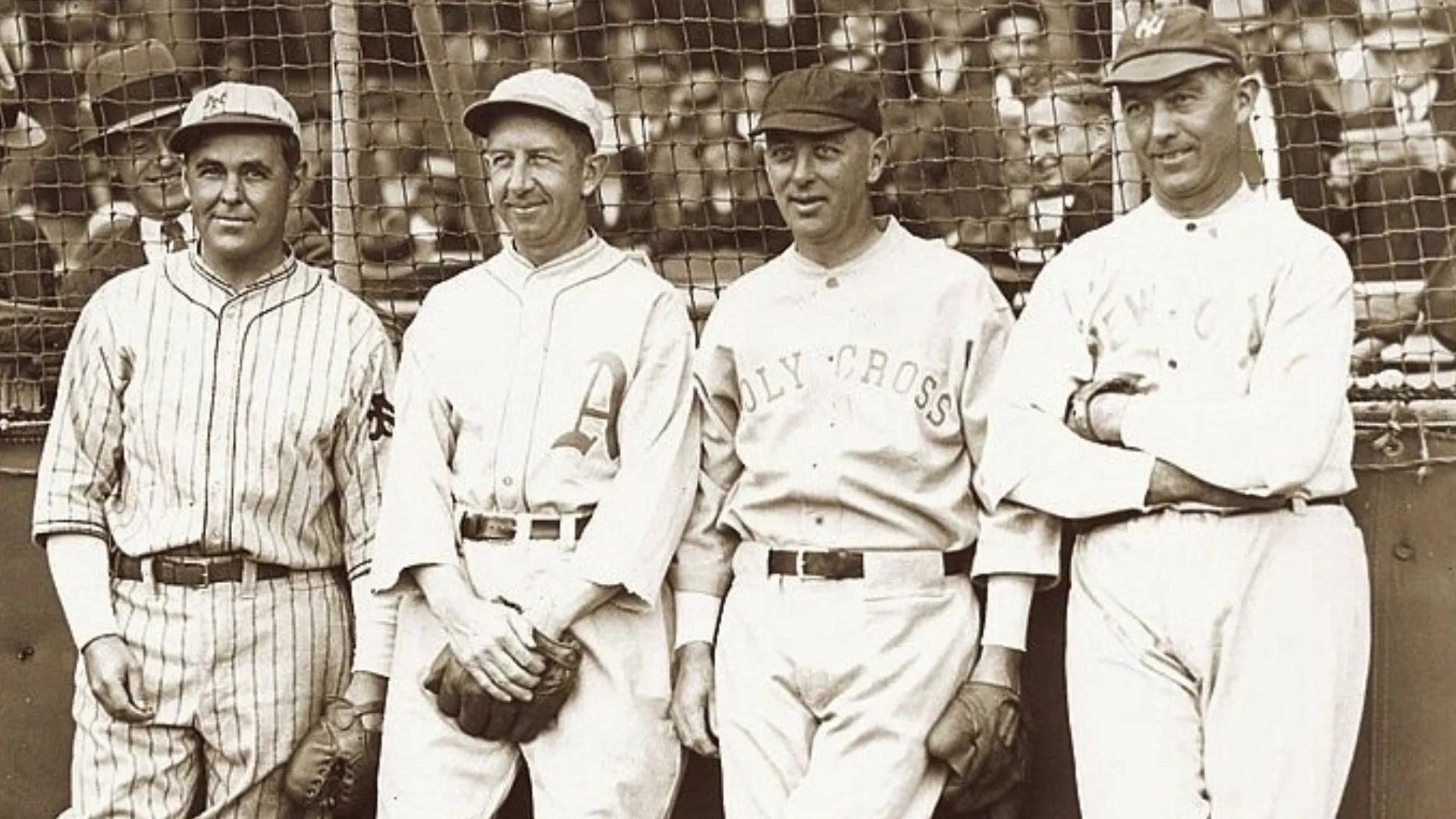
Philadelphia Athletics (Source: Baseball History Comes Alive)
The 1916 season was unforgiving for the Athletics, who again found themselves mired in a 20-game losing streak that exposed the fragility of a roster in transition. Once a dominant force, Philadelphia couldn’t string wins together that year, with their slide stretching from late July into early August.
The run encapsulated a broader decline for the franchise during that period, as a combination of aging stars and a thin pitching staff left them unable to halt a downward spiral that left them with one of the poorest records in the league.
1906 Boston Americans | 20 games
Long before Fenway Park became an icon of baseball lore, the 1906 Boston Americans — predecessors of the modern Red Sox — endured a punishing 20-game stretch without a victory.
Their slump began with a lopsided loss early in May and stretched through much of the month, leaving the club searching for answers both at the plate and on the mound. In that era, when seasons were shorter and rosters thinner, such a prolonged skid hit especially hard, marking a low point in the franchise’s early years.
2021 Baltimore Orioles | 19 games
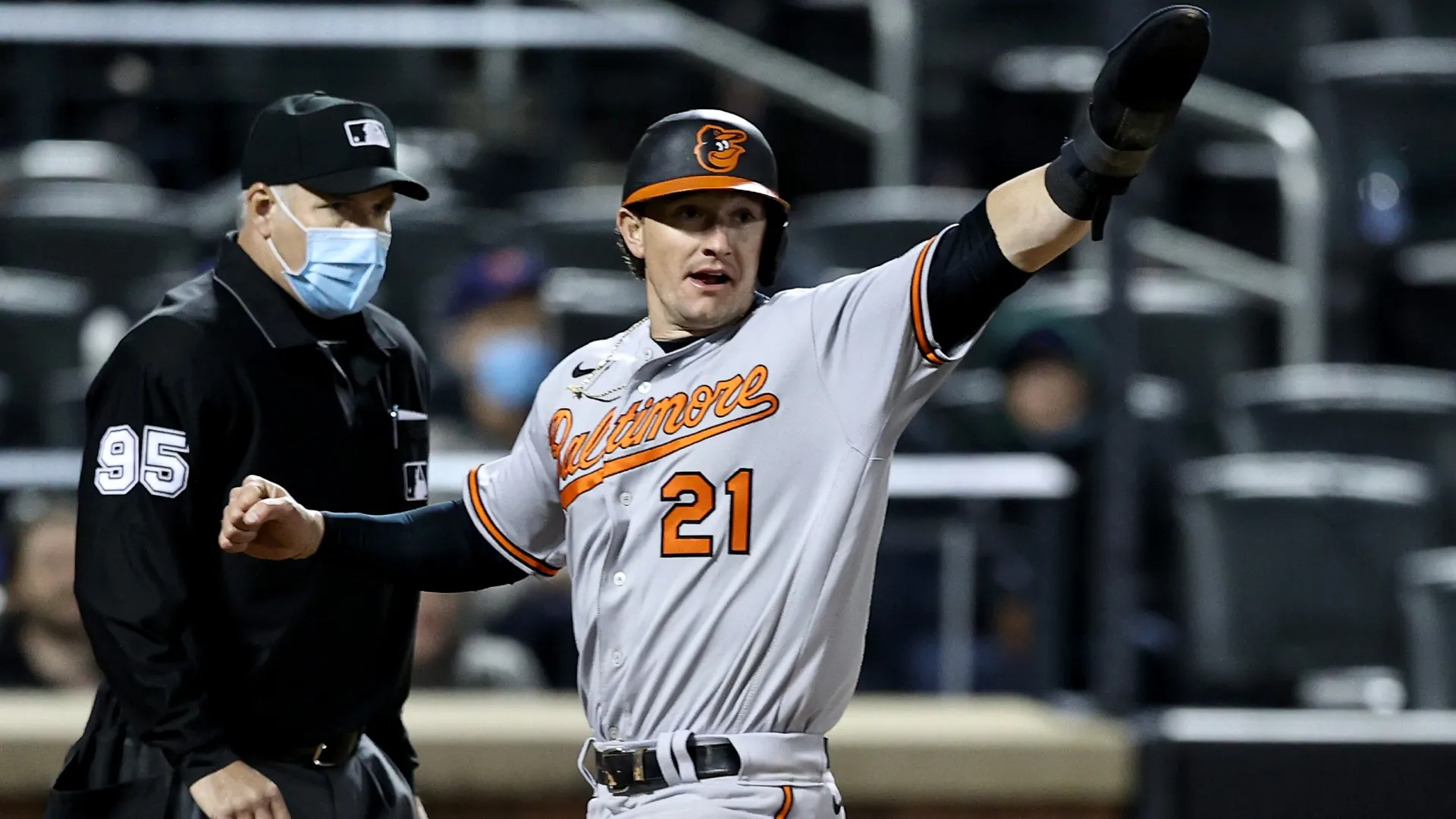
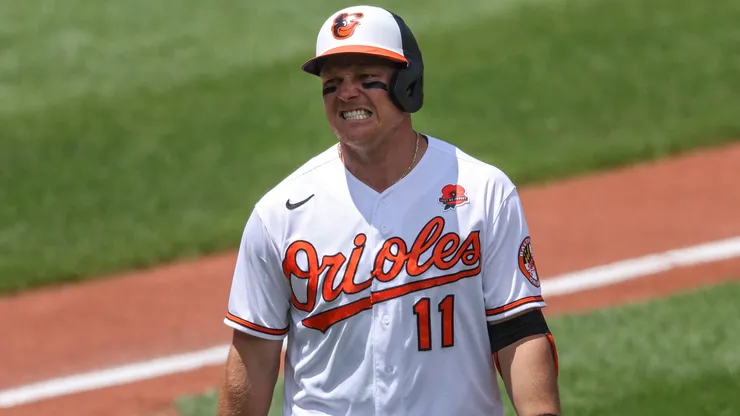
Austin Hays #21 of the Baltimore Orioles (Source: Elsa/Getty Images)
The 2021 Orioles etched their names into the record books by compiling a 19-game losing streak, the longest such slide in the majors since the early 2000s. Starting after an August win, Baltimore’s run of defeats stretched until late that month, with the club being outscored by a significant margin throughout the slump.
Though the streak didn’t quite reach the 20-game tier of history’s most infamous skid marks, it underscored the struggles of a rebuilding franchise and became a defining narrative of their season.