
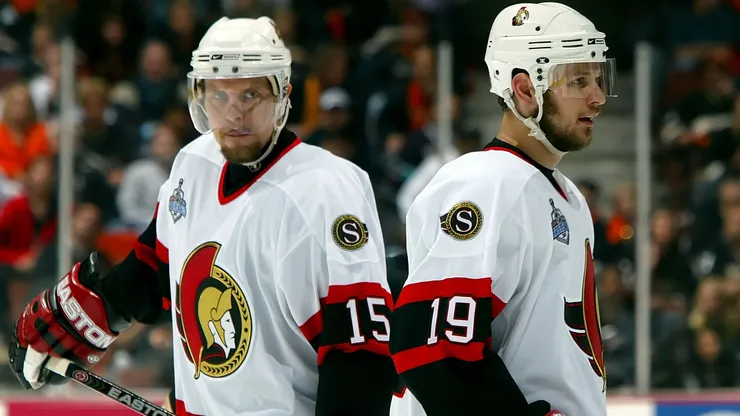
In the century-long history, hoisting the Stanley Cup is the ultimate prize, the gold standard against which all 32 franchises are measured. While teams boast deep traditions and countless playoff runs, the narrative is different for others.
The NHL‘s expansion era, which began in the late 1960s and continued well into the 21st century, brought the excitement of professional hockey to new markets, spreading the wealth of talent and fan engagement. However, the introduction of fresh clubs also meant starting from scratch.
This disparity creates a compelling backdrop for examining the league’s competitive balance. While perennial contenders often overshadow the less successful teams, it is the franchises with the scarcest Final appearances that tell an equally dramatic tale of organizational growing pains.
Nashville Predators | 1 Stanley Cup Final appearance
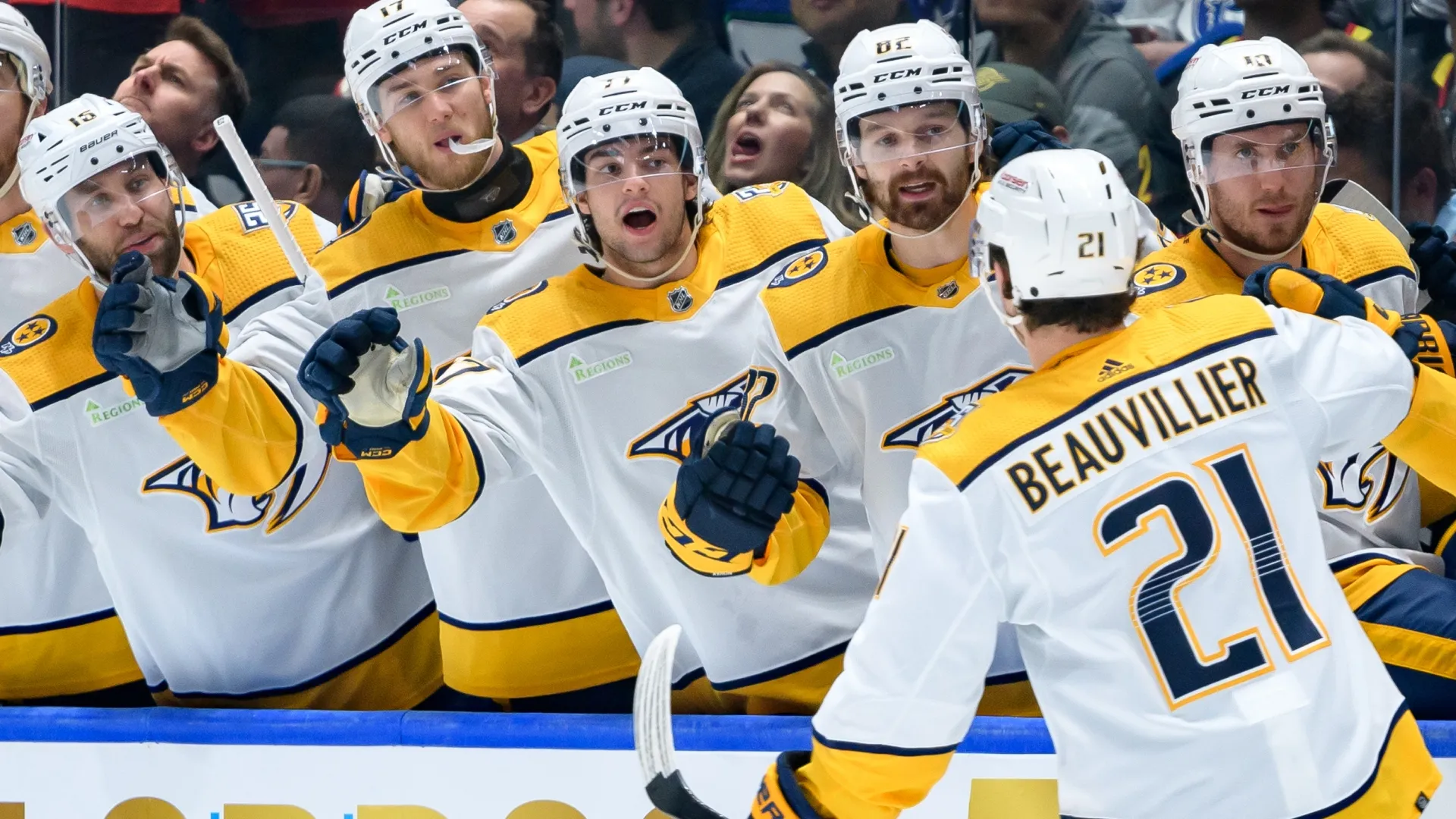
Nashville Predators players in 2024. (Source: Derek Cain/Getty Images)
Since joining the NHL in 1998, the Nashville Predators have been perennial playoff contenders—but the Stanley Cup Final has eluded them nearly their entire existence. Their lone trip to the Final came in the 2016–17 season, a breakthrough run that saw them upset higher-seeded teams and capture the imagination of a hockey city.
That playoff run was built on grit. As the 8th seed, Nashville swept the top-seeded Chicago Blackhawks in the first round, then proceeded to knock off the St. Louis Blues and Anaheim Ducks to reach the Final. But despite their underdog momentum, they fell short in the championship round—denied the ultimate hardware, and left to chase that dream again.
Even after that near miss, the Predators remain defined by ambition. Their only Stanley Cup Final berth stands as a reminder of both how far they’ve come and how much remains to be done. Among NHL franchises, they are a clear example of sustained competitiveness that has yet to cross the final threshold.
San Jose Sharks | 1 appearance
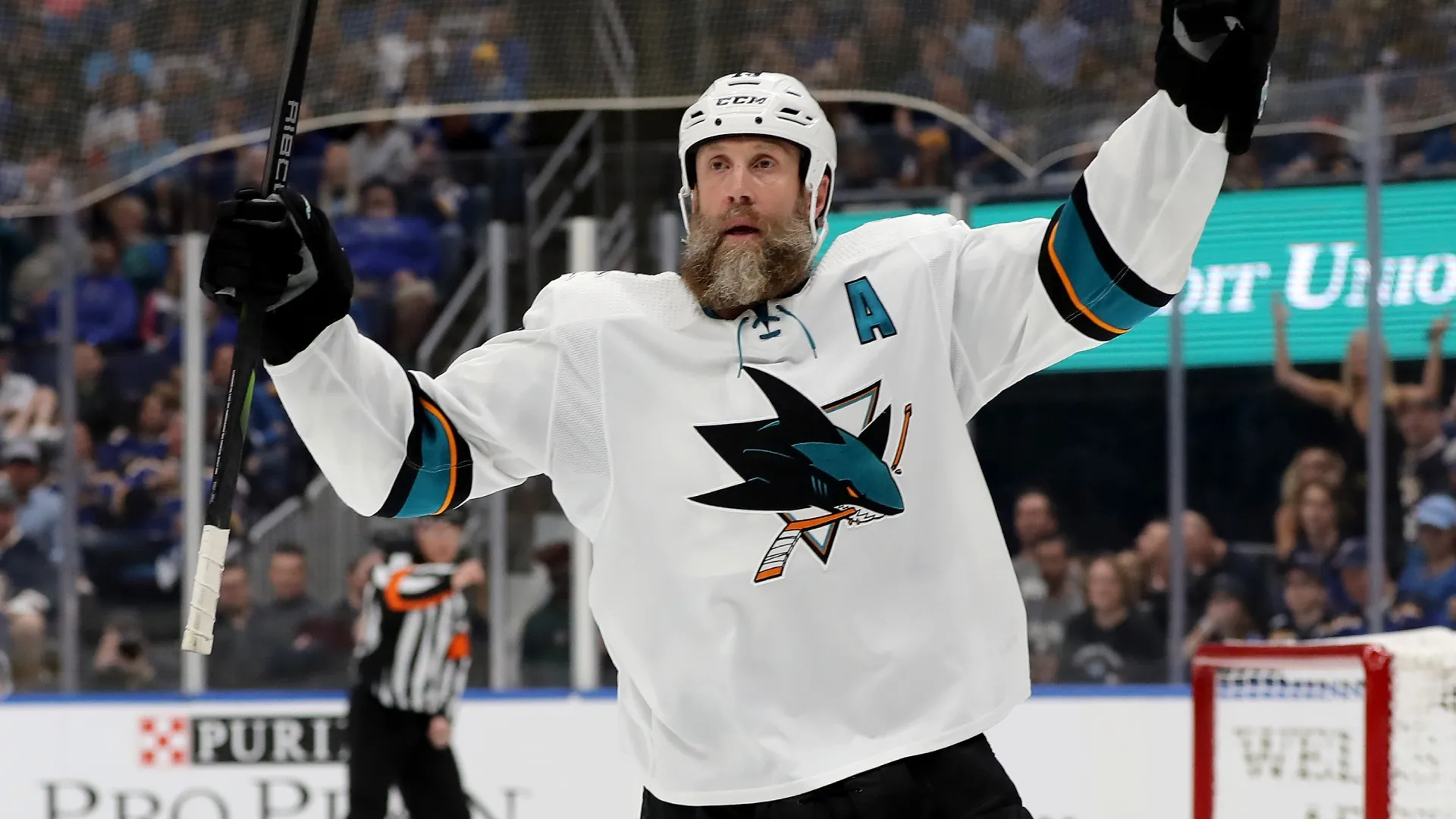
Joe Thornton #19 of the San Jose Sharks in 2019. (Source: Elsa/Getty Images)
The San Jose Sharks, founded in 1991, came agonizingly close to their first Stanley Cup in the 2016 Final. That season marked a watershed moment: the franchise’s first-ever appearance in the Cup Final after years of regular playoff appearances.
Facing the Pittsburgh Penguins, the Sharks pushed hard, igniting massive passion throughout the Bay Area. But in Game 6 at home, the Penguins pulled away with a 3–1 win, sealing the series 4–2. Despite the defeat, the Sharks’ run remains a defining moment for a team that long seemed cursed outside of regular-season success.
That lone Final appearance still carries weight. For San Jose, it’s more than a missed title: it’s proof that the arena-level brilliance, big-game talent, and high-caliber coaching can converge—if only one more time.
Ottawa Senators | 1 appearance
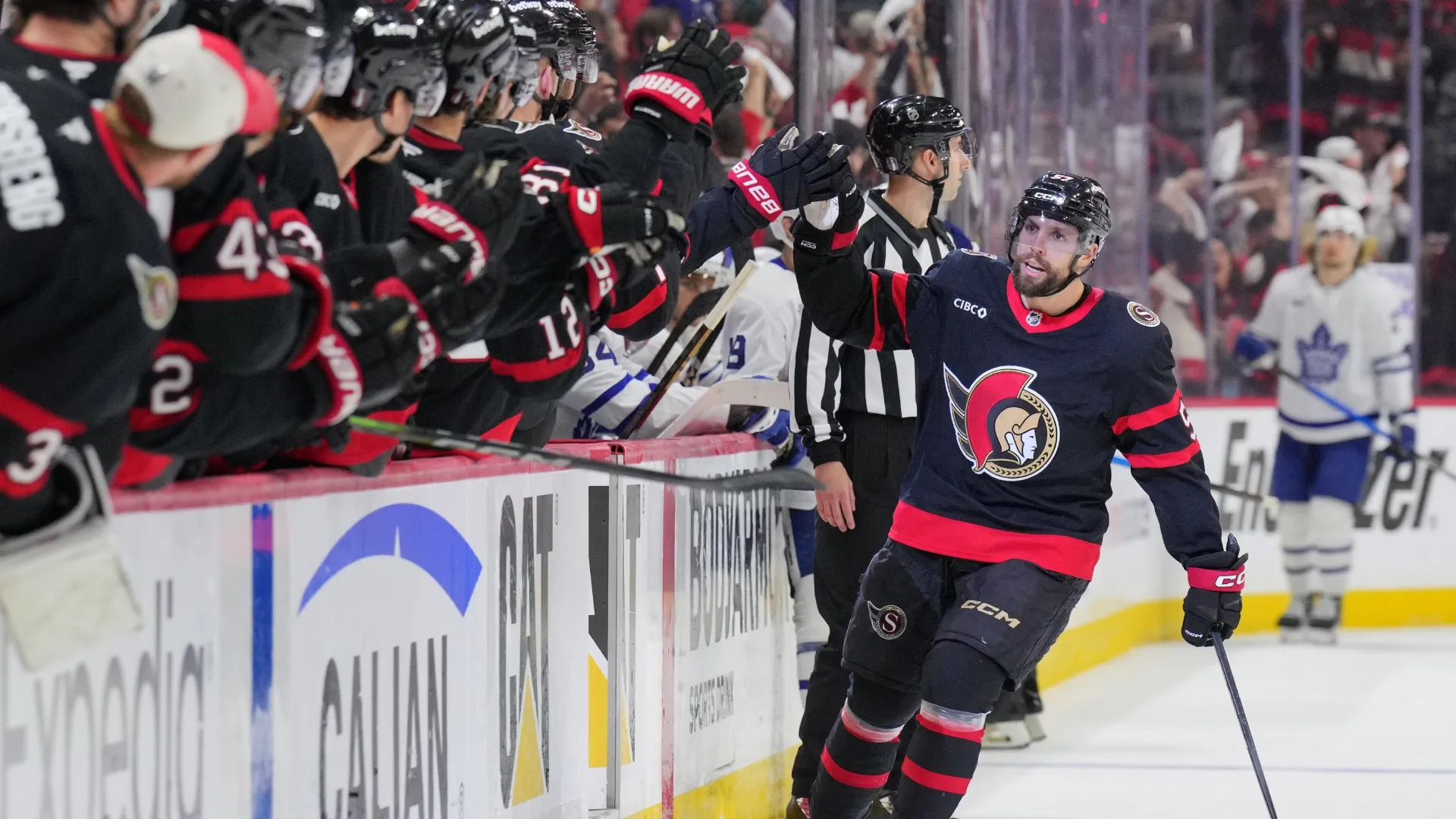
David Perron #57 of the Ottawa Senators in 2025. (Source: Chris Tanouye/Getty Images)
The modern Ottawa Senators, re-established in 1992, have only made it to the Stanley Cup Final once, in 2007. It was a milestone for a younger franchise hoping to shake the “expansion team” label, but the outcome was bitter: Ottawa lost the Final 4–1 to the Anaheim Ducks.
That series was the high-water mark for the early Senators era. They entered the playoffs with momentum, but Anaheim’s composure and experience proved too much in the long run.
For Ottawa, that single Final trip is both a source of pride and a frustration. It serves as a reminder that they have tasted what’s possible—but also how far they must go to break through and claim their first Stanley Cup.
Vegas Golden Knights | 2 appearances
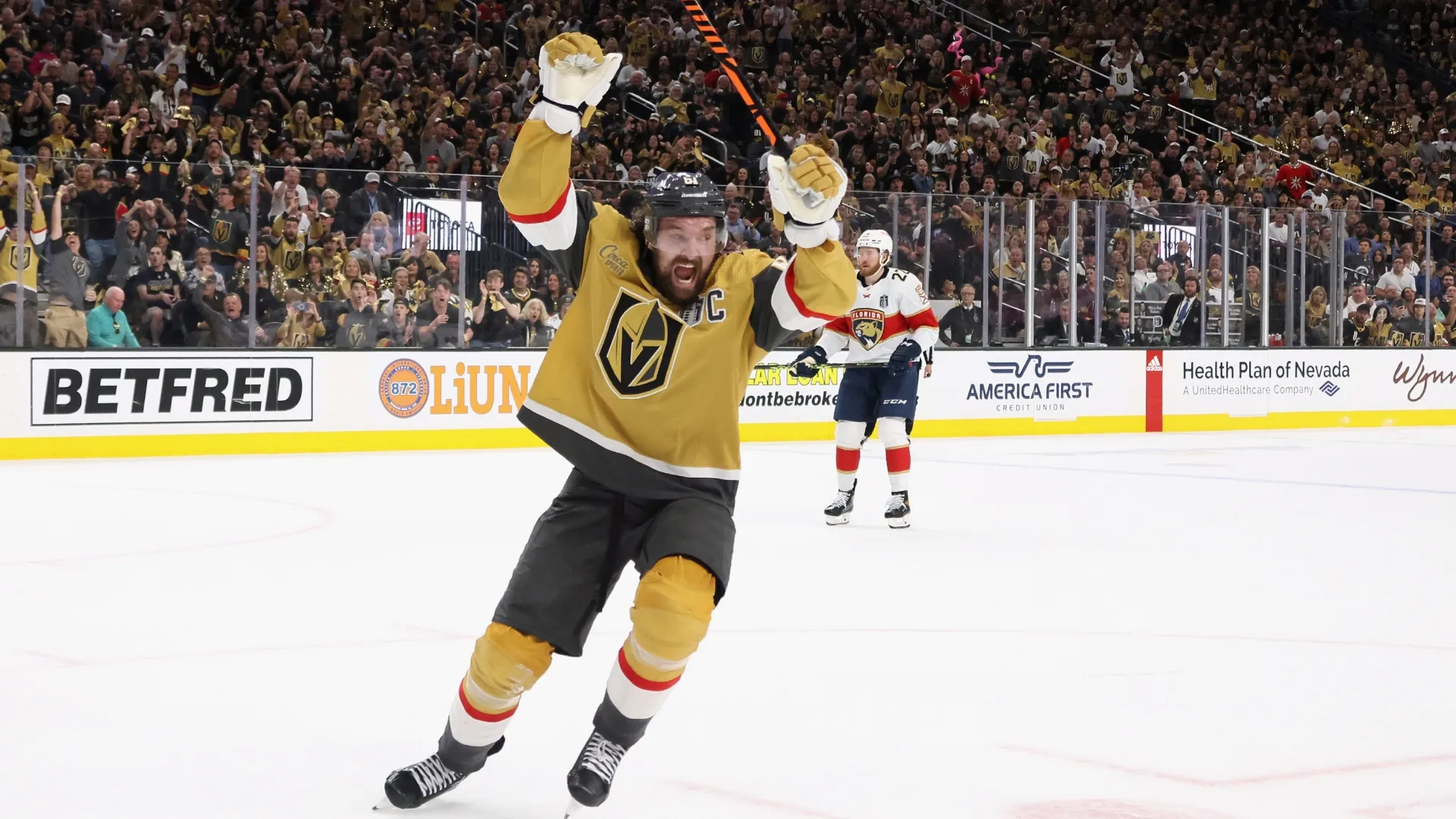
Mark Stone #61 of the Vegas Golden Knights in 2023. (Source: Bruce Bennett/Getty Images)
The Vegas Golden Knights remain one of the most compelling stories in modern NHL history. As a young expansion team, they stunned the league by reaching the Stanley Cup Final in just their second season (2018), only to fall to the Washington Capitals.
But what makes their legacy even more extraordinary is what came next: in 2023, the Knights returned to the Final and closed the deal, beating the Florida Panthers 4–1. The clincher happened in dramatic fashion — a 9–3 Game 5 at home, highlighted by captain Mark Stone’s hat trick and Jonathan Marchessault earning Conn Smythe honors.
Anaheim Ducks | 2 appearances
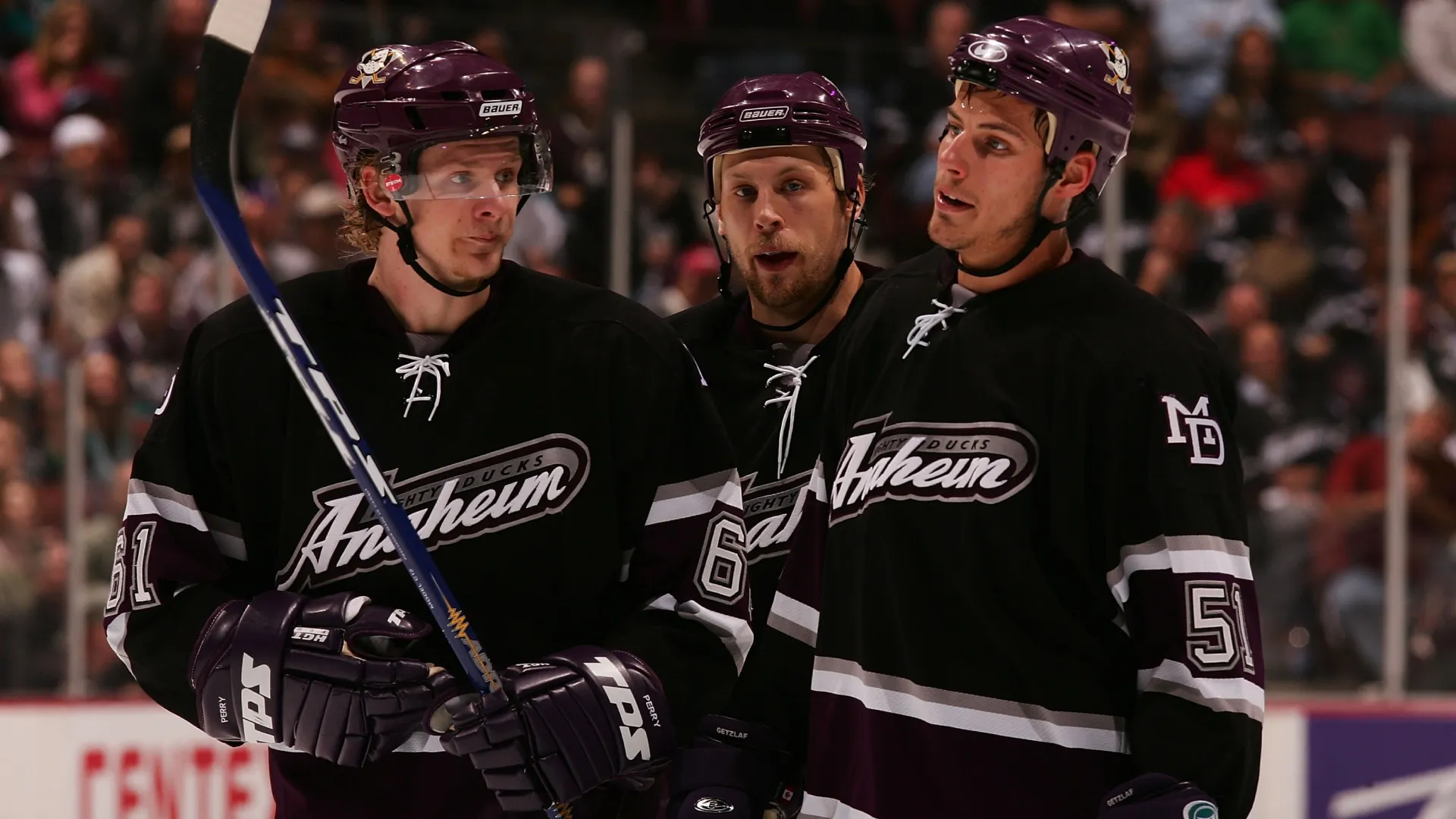
Anaheim Ducks players in 2006. (Source: Harry How/Getty Images)
The Anaheim Ducks’ journey to the Stanley Cup Final reads like a Hollywood script. Their first appearance came in 2003 when they were still known as the Mighty Ducks — facing the New Jersey Devils in a grueling seven-game series, and ultimately falling short.
But four years later, in 2007, they returned with renewed strength. That year, Anaheim defeated the Ottawa Senators in just five games to claim their first and only Stanley Cup. What makes that victory especially rich in story is that it marked a full-circle moment for a franchise born out of pop culture: the movie-inspired Ducks had become champions in real life.
Carolina Hurricanes | 2 appearances
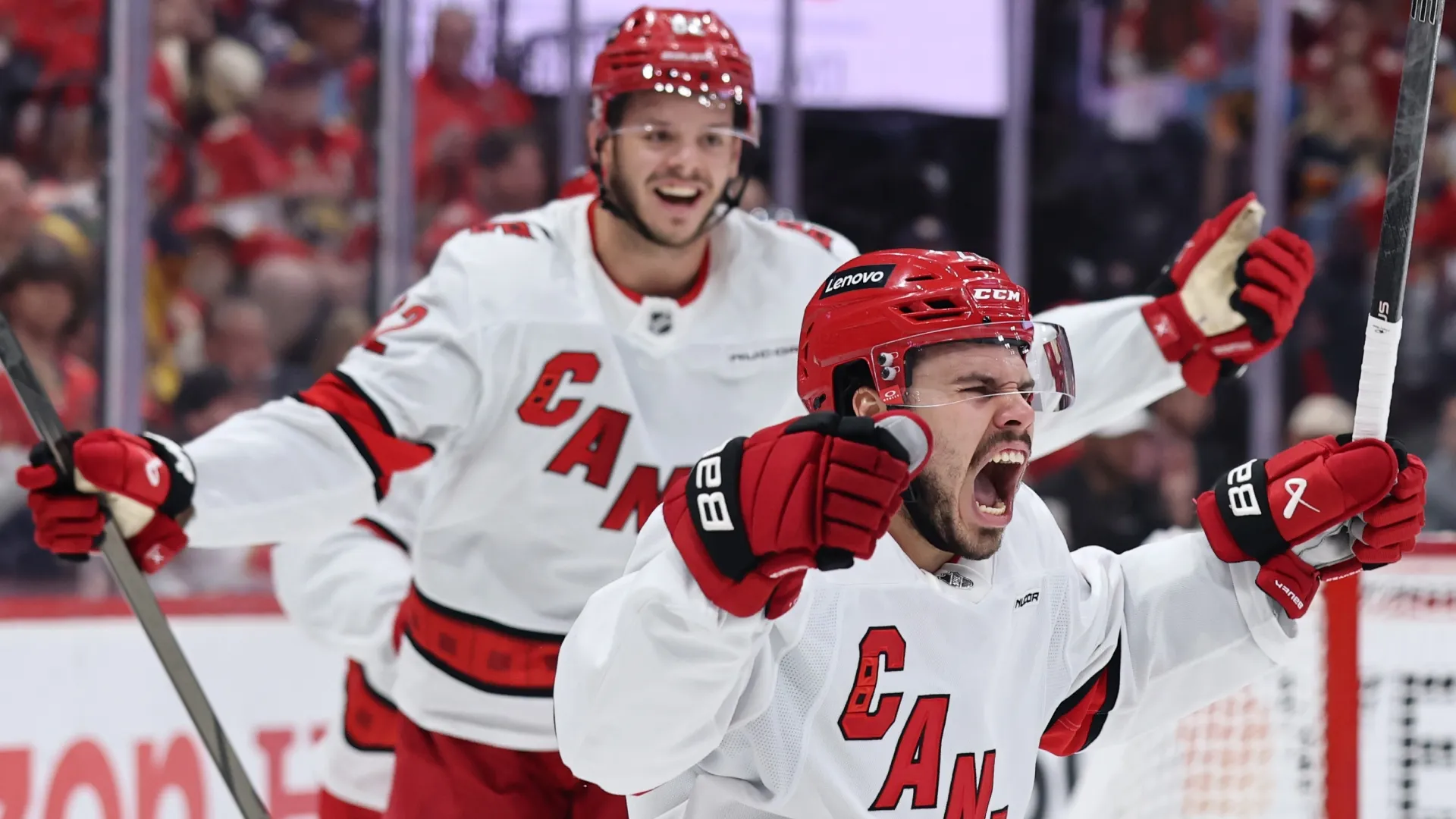
Logan Stankoven #22 of the Carolina Hurricanes in 2025. (Source: Carmen Mandato/Getty Images)
The Carolina Hurricanes have had their share of Stanley Cup Final drama, and their narrative is as poignant as it is triumphant. Their first Final came in 2002, but they were outclassed by a powerhouse Detroit Red Wings squad.
Undeterred, the Hurricanes returned in 2006 for a rematch on a grand stage — this time against the Edmonton Oilers. Down to the wire, they forced a Game 7 and captured the Cup by winning 3–1 on home ice, with rookie Cam Ward earning Conn Smythe honors. That moment became a defining chapter: a franchise that had tasted disappointment climbing all the way to the summit.
Washington Capitals | 2 appearances
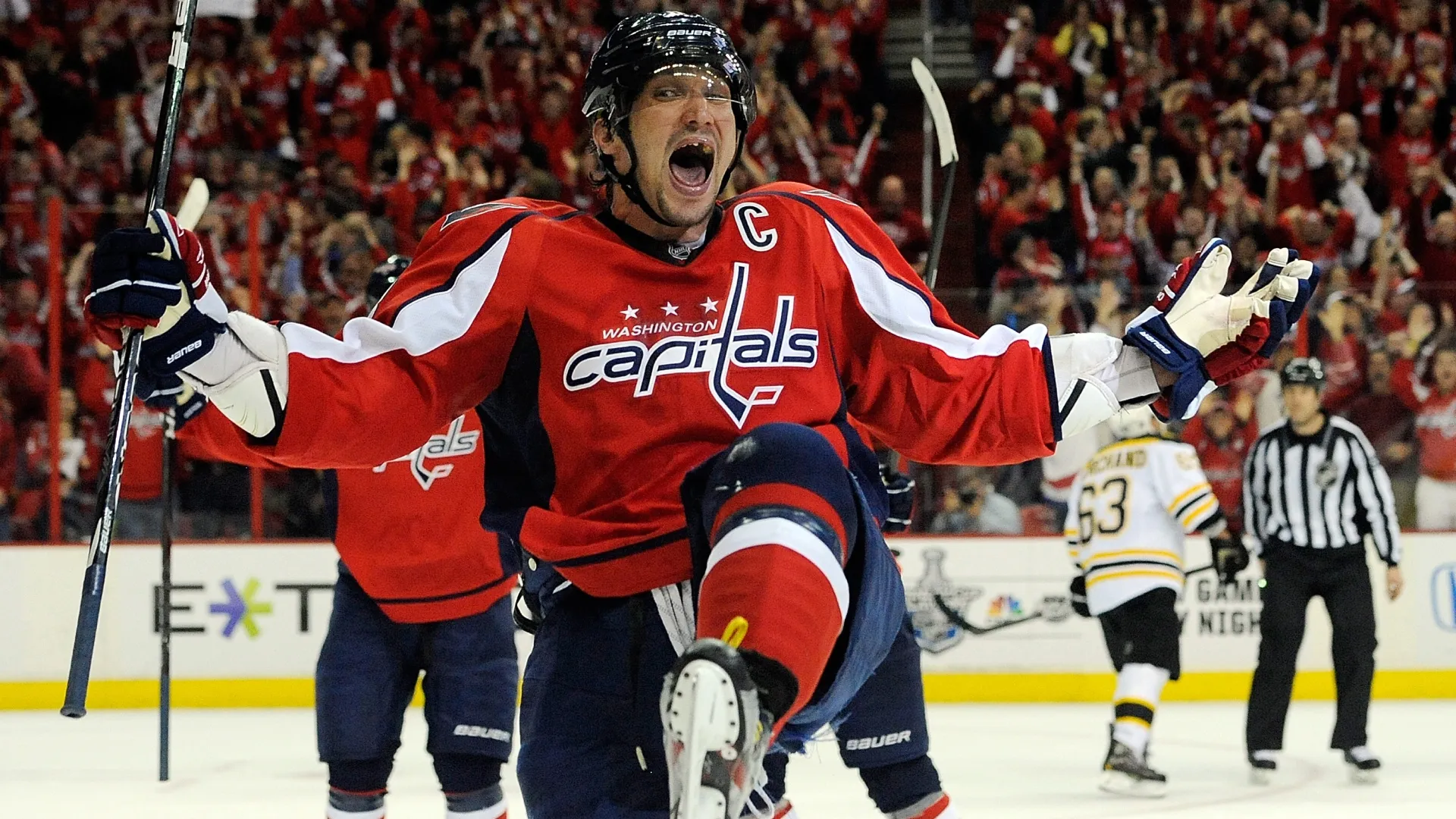
Alex Ovechkin #8 of the Washington Capitals in 2012. (Source: Patrick McDermott/Getty Images)
The Washington Capitals’ championship story is rooted in perseverance. Their first Stanley Cup Final came in 1998, but they suffered a sweep at the hands of the Detroit Red Wings.
It would take two decades of near-misses, heartbreaks, and reinvention before they finally broke through. In 2018, led by Alex Ovechkin, the Capitals defeated the Vegas Golden Knights in five games to win their first-ever Stanley Cup.
Buffalo Sabres | 2 appearances
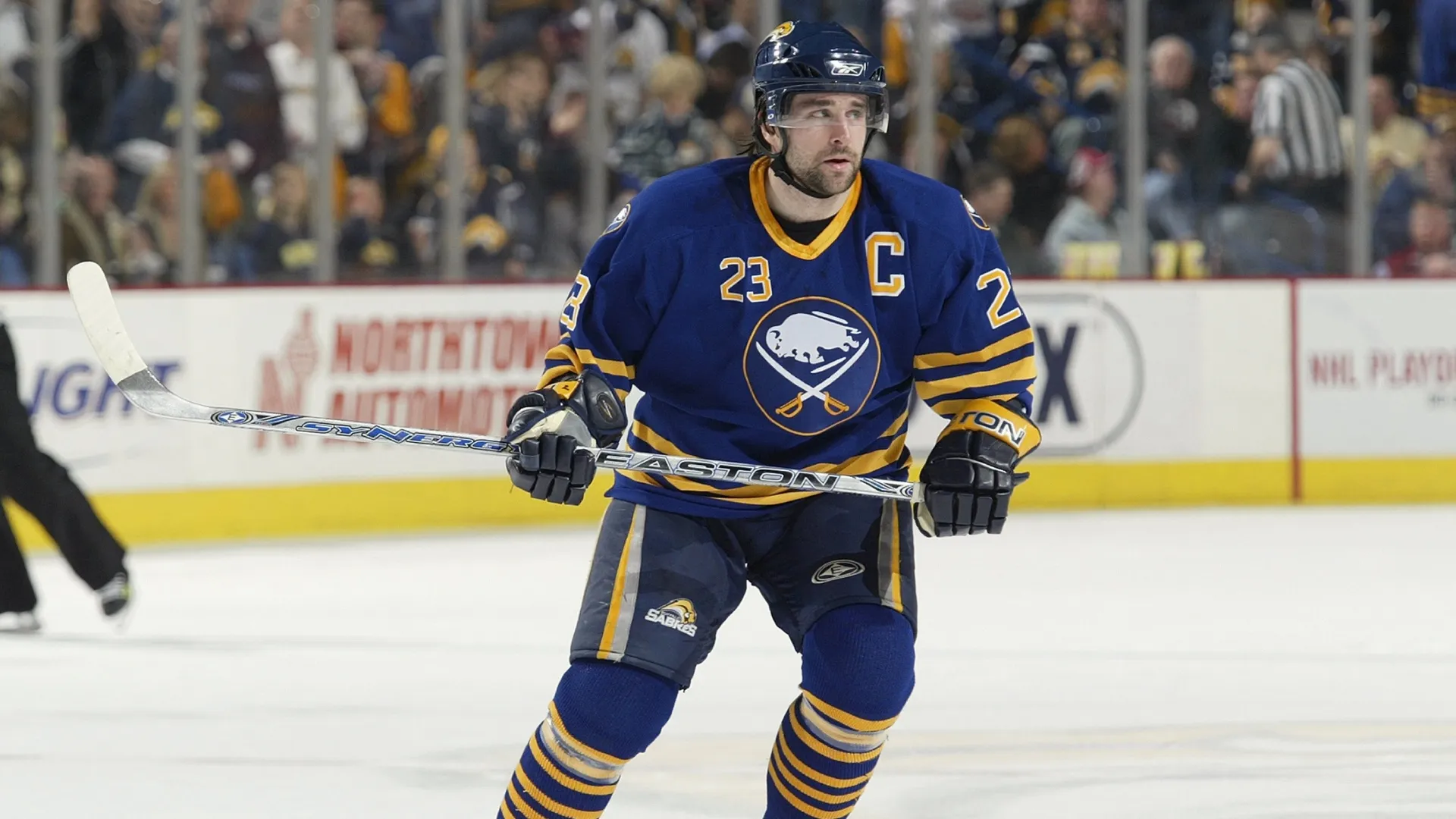
Chris Drury #23 of the Buffalo Sabres in 2007. (Source: Rick Stewart/Getty Images)
The Buffalo Sabres’ Stanley Cup Final story is defined by frustration, resilience, and the kind of heartbreak that becomes part of a franchise’s mythology. Their first appearance came in 1975, during the era of the famed “French Connection,” but the run ended at the hands of a dominant Flyers squad.
Decades later, in 1999, Buffalo returned to the Final only to endure one of the most infamous endings in NHL history — Brett Hull’s overtime goal counted despite the disputed “skate in the crease,” sealing the series for Dallas and leaving Sabres fans with a lingering rallying cry: “No Goal”. For a team still chasing its first championship, those near-misses loom larger than any banner.
Colorado Avalanche | 3 appearances
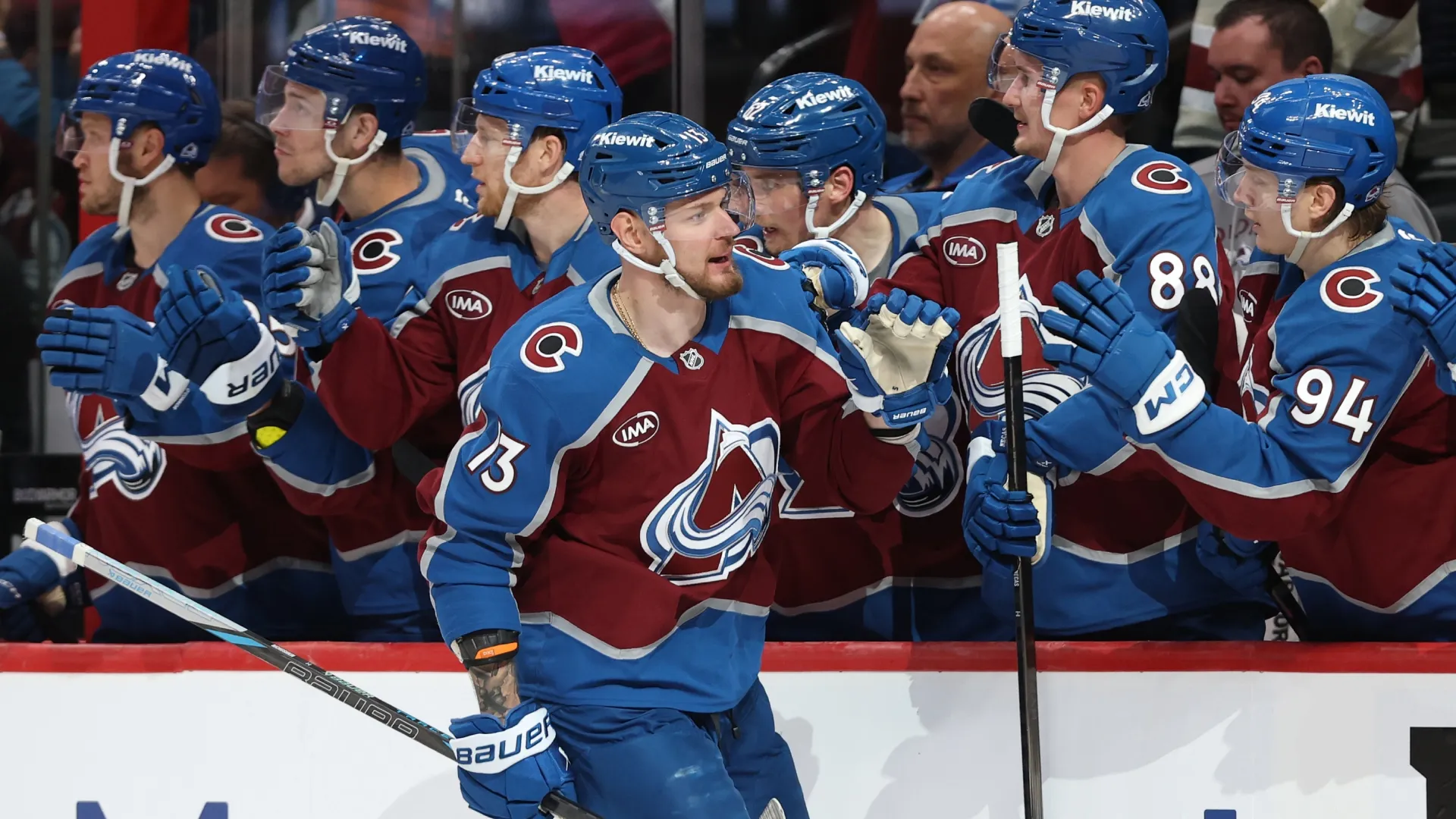
Valeri Nichushkin #13 of the Colorado Avalanche in 2025. (Source: Matthew Stockman/Getty Images)
Colorado Avalanche’s relationship with the Stanley Cup Final is a showcase of transformation — from relocation to immediate glory. After moving from Quebec in 1995, the newly minted Avalanche wasted no time, reaching and winning the Final in 1996 behind Joe Sakic’s leadership and Patrick Roy’s brilliance.
Their second title came in 2001, capping off Ray Bourque’s storied career with an emotional finish that remains one of the league’s most iconic moments. And two decades later, the Avalanche surged back in 2022, blending speed, youth, and firepower to defeat Tampa Bay and claim their third championship.
Los Angeles Kings | 3 appearances
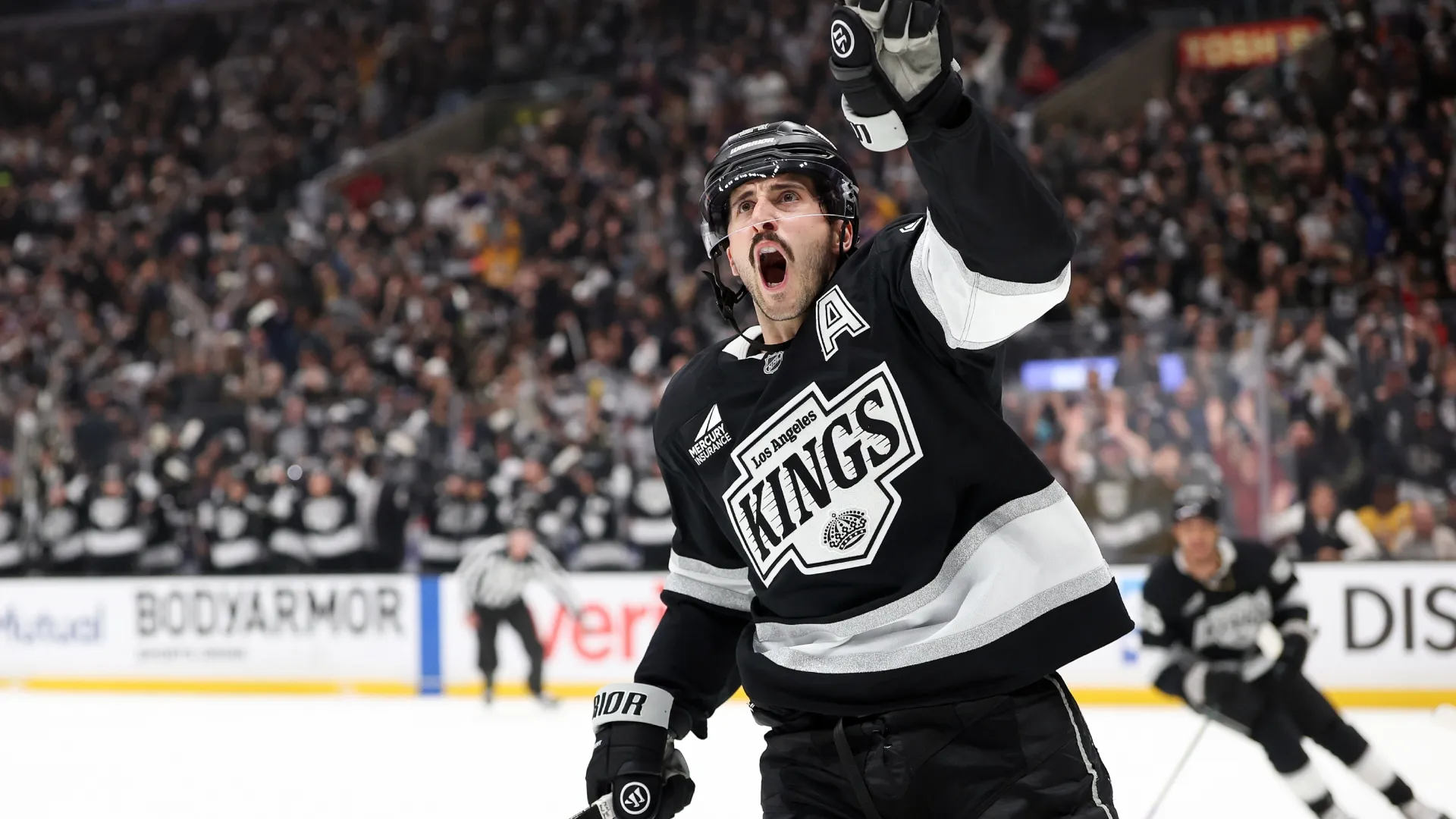
Phillip Danault #24 of the Los Angeles Kings in 2025. (Source: Sean M. Haffey/Getty Images)
The Los Angeles Kings spent decades as an underdog franchise — a team with flashes of star power but little postseason reward. Their first Stanley Cup Final appearance arrived in 1993 during the Wayne Gretzky era, a magical run that ended against the Montreal Canadiens. Nearly twenty years later, Los Angeles reinvented itself with a bruising, defensively suffocating identity that changed everything.
In 2012, the Kings stormed through the playoffs as the unexpected eighth seed, winning the Stanley Cup with a mix of grit and dominance. They returned in 2014 with even greater resilience, surviving three straight seven-game series before defeating the Rangers for their second championship.