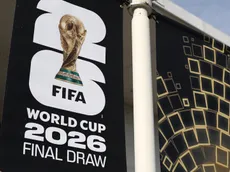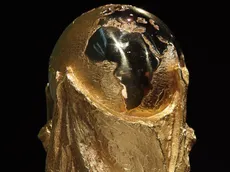
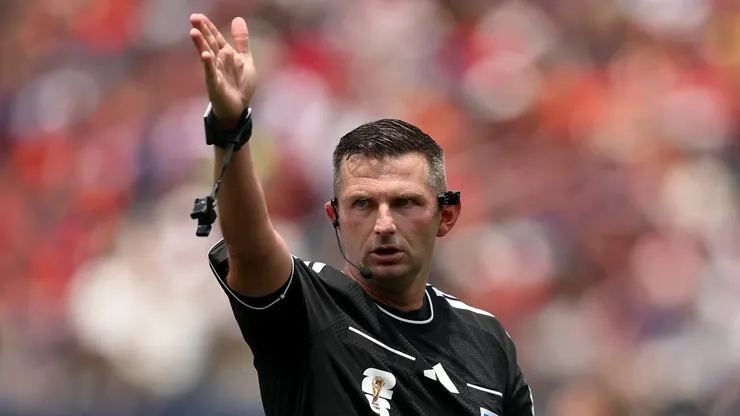
Veteran referee Michael Oliver called four games at the 2026 World Cup, handing out 21 yellow cards and not a single red. Given his experience, many expected him to get at least one more assignment, potentially even the final. However, FIFA sent him home early because England advanced to the semifinals.
Oliver was supposed to be in the mix for the final. But because England, his home country, reached the semifinals, FIFA’s conflict-of-interest protocols were triggered, which automatically bar officials from refereeing matches involving their own nation or deep in the bracket when their team is still alive.
Oliver now has two World Cups under his belt, having also officiated in the 2022 edition. This solidified his status as a go-to referee for major international tournaments, especially World Cup qualifiers.
Did the Falkland Islands conflict play a role?
No. BBC Sport reporter Dale Johnson debunked the rumor that Oliver was sent home over a potential conflict of interest regarding the Falklands issue between Argentina and England. Johnson clarified that Oliver’s tournament simply ended once the Three Lions won their quarterfinal match.
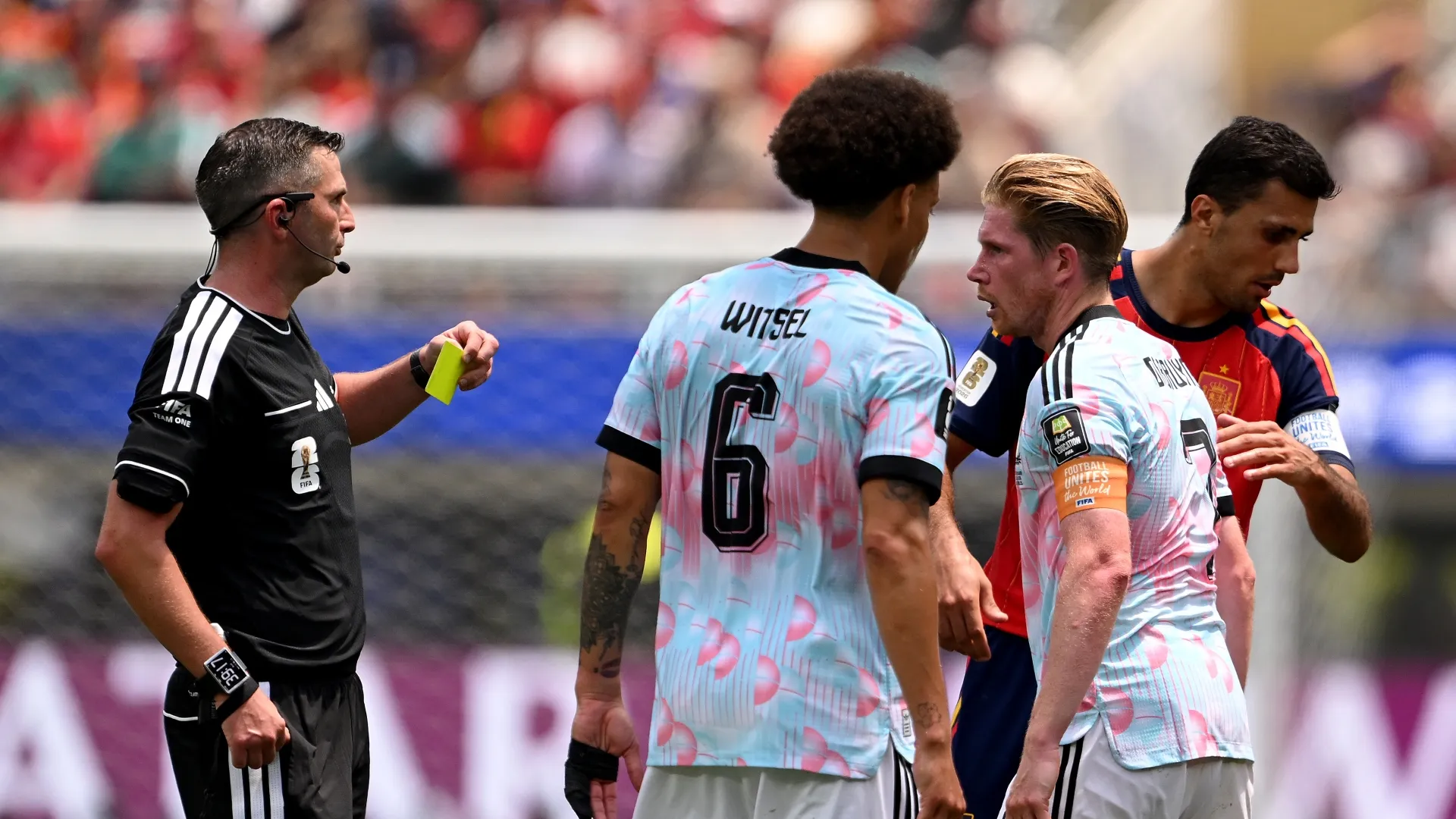
Michael Oliver ready to book a player (Getty Images)
“While it is true there is a ‘Falklands rule,’ it’s not the key reason why Michael Oliver cannot referee the World Cup final. Officials of the four semi-finalists all go home, and do not get another game. So as soon as England beat Norway, Oliver’s tournament was over.”
Could Oliver return for another World Cup?
He likely can, provided he remains active. FIFA no longer enforces a strict referee retirement age. Oliver will be 45 in 2030, which is still relatively young for an elite official, meaning he could easily work another World Cup if FIFA deems him fit for the job.