The history of the FIFA World Cup is packed with dramatic knockout fixtures, yet the third-place playoff stands out as a unique anomaly when it comes to extra time. Across nearly a century of tournament history, football fans have never witnessed a single bronze medal match get decided by a penalty shootout.
Unlike World Cup finals, several of which have gone to extra time or penalties, third-place games almost always wrap up in 90 minutes. In fact, only one solitary third-place match in the entire history of the tournament has ever extended past regulation time. That historic exception took place during the 1986 World Cup in Mexico.
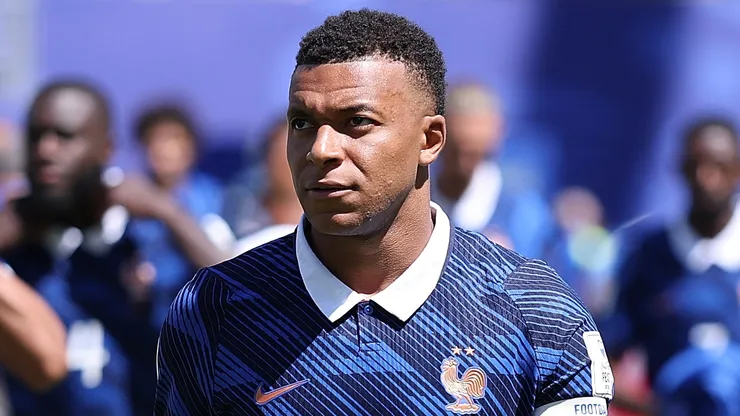
During that memorable 1986 consolation final, France clashed with Belgium in a high-scoring encounter that ended 2-2 in normal time. The French squad found their second wind during the thirty additional minutes, scoring twice to secure a 4-2 victory and the bronze medal.
Why do third place matches rarely go extra time?
The primary reason these matches rarely require extra time or penalties lies in the liberating tactical nature of the fixture itself. Unlike the high-stakes pressure of a World Cup final or a semifinal, the third-place game carries far less defensive anxiety for the competing nations. Teams tend to play with a much more open, attacking philosophy, which naturally prevents low-scoring tactical deadlocks.
With squads frequently rotating their starting lineups to give reserve players a chance on the world stage, defensive structures are inherently looser. This lack of conservative caution routinely results in a high volume of goals being scored during standard regulation time.

The anomalies of 1930 and 1950
During the inaugural 1930 World Cup in Uruguay, the tournament completely omitted a third-place playoff match from the schedule. The United States was later awarded third place strictly based on their superior overall statistical record during the tournament.
Two decades later, the 1950 World Cup in Brazil threw out the traditional knockout format entirely in favor of a final round-robin group phase. While this meant there was no single, standalone third-place match scheduled, the final set of fixtures naturally sorted the standings.