Ferran Torres scored the winning goal for Spain in the 2026 World Cup final against Argentina. After the match, the forward admitted that Lionel Messi‘s presence applied constant pressure on the European side throughout the game.
“Destiny was written—it was meant for us to win, far away from our people,” Ferran Torres said. “All finals are tough. When you’re facing Messi, that nervousness naturally sets in. I’ve been heavily criticized throughout the World Cup, but as I’ve said before, destiny was already written.”
Emiliano Martinez endured a demanding match, making several key saves to keep Argentina in the contest. However, in extra time and down a player, it was impossible for him to stop a brilliant finish by Ferran Torres, which secured the lone goal in Spain’s victory and made it impossible for Argentina to break a World Cup curse.
Ferran Torres’ best game came in a clutch moment
In Spain’s group match against Saudi Arabia, Ferran Torres thought he had found the back of the net, only for VAR to intervene and rule the goal out. On camera, the forward could be seen pleading with the officials for the call to stand.
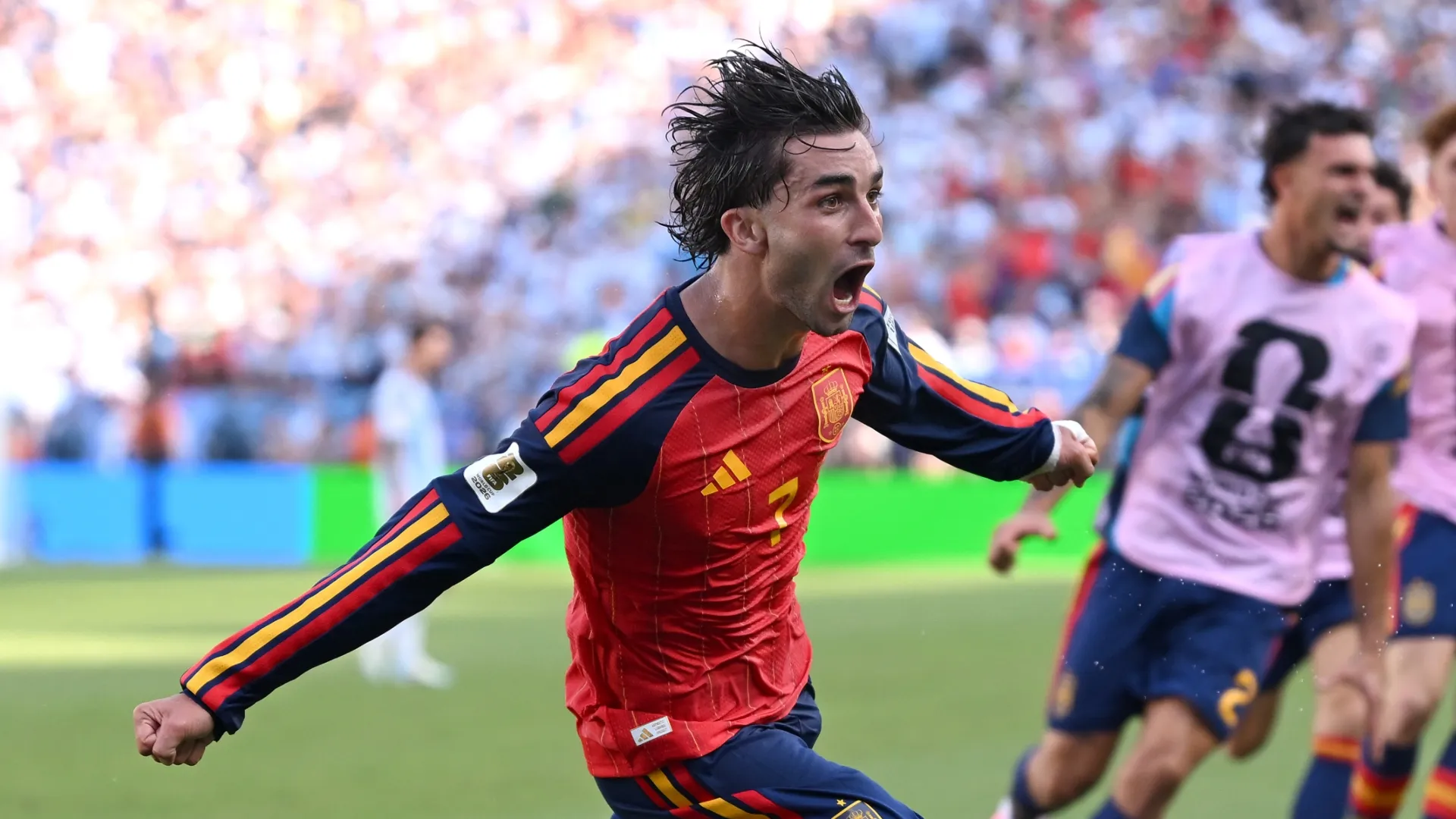
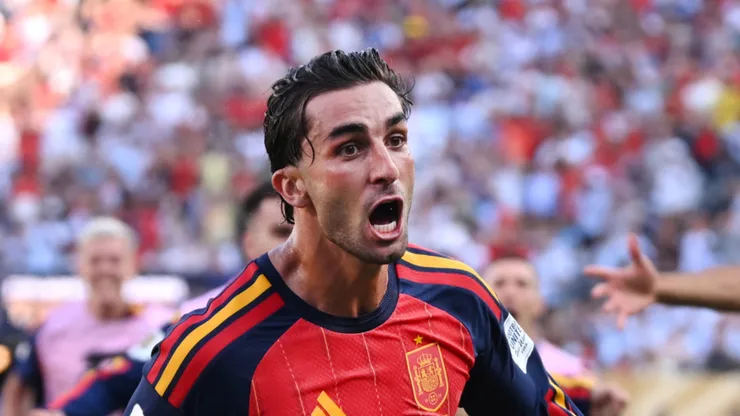
Ferran Torres celebrates his goal for Spain in the 2026 World Cup final.
Just days later, those pleas became reality at the most crucial moment imaginable. Coming off the bench in the final against Argentina, Torres scored his first and only goal of the tournament—the one that secured the World Cup trophy.
Just like Andres Iniesta in 2010, Ferran Torres gave Spain a legendary World Cup title after a grueling, hard-fought match. Now, La Roja looks ahead to defending their crown in 2030, when they will serve as co-hosts on home soil.
The second World Cup lost for Lionel Messi
Although Messi has lost more international finals than rival Cristiano Ronaldo (5 to 1), Ronaldo has only appeared in a single international final (Euro 2004 victory in Euro 2016 came when he was subbed off early, and Euro 2004 was a loss). Meanwhile, Messi’s ability to consistently lead Argentina to the ultimate match on the global stage sets him apart in modern sports history.
Looking ahead, Messi is not expected to step away from international soccer immediately. However, with the 2030 World Cup four years away—at which point Messi will be 43—it remains highly uncertain whether he, or several other core veterans of Argentina’s golden era, will feature in that tournament.