Bayern Munich host PSG in the first leg of the 2025-26 UEFA Champions League semifinals with everything still open. The result of today’s match will not decide the tie, but it will shape the scenario heading into the decisive second leg, which is why both Bayern and PSG will show up with their strongest possible lineups.
[Follow live coverage of PSG vs Bayern Munich on Bolavip]
Both teams arrive with elite attacking numbers and high-tempo systems, making this a clash defined as much by structure as by star power. Bayern, already Bundesliga champions, come in with strong momentum and a prolific scoring run.
Vincent Kompany‘s men netted 19 goals across their last five matches. Their home advantage and rhythm meet a Paris Saint-Germain team that has already proven it can handle pressure away from home, although this time they will have to cope without their star manager.
What happens if Bayern Munich beat PSG today?
If Bayern Munich beat Paris Saint-Germain today, they will take a lead on aggregate into the second leg of the UEFA Champions League semifinals. That advantage is significant because knockout ties are decided over two matches, with the total number of goals determining who advances.
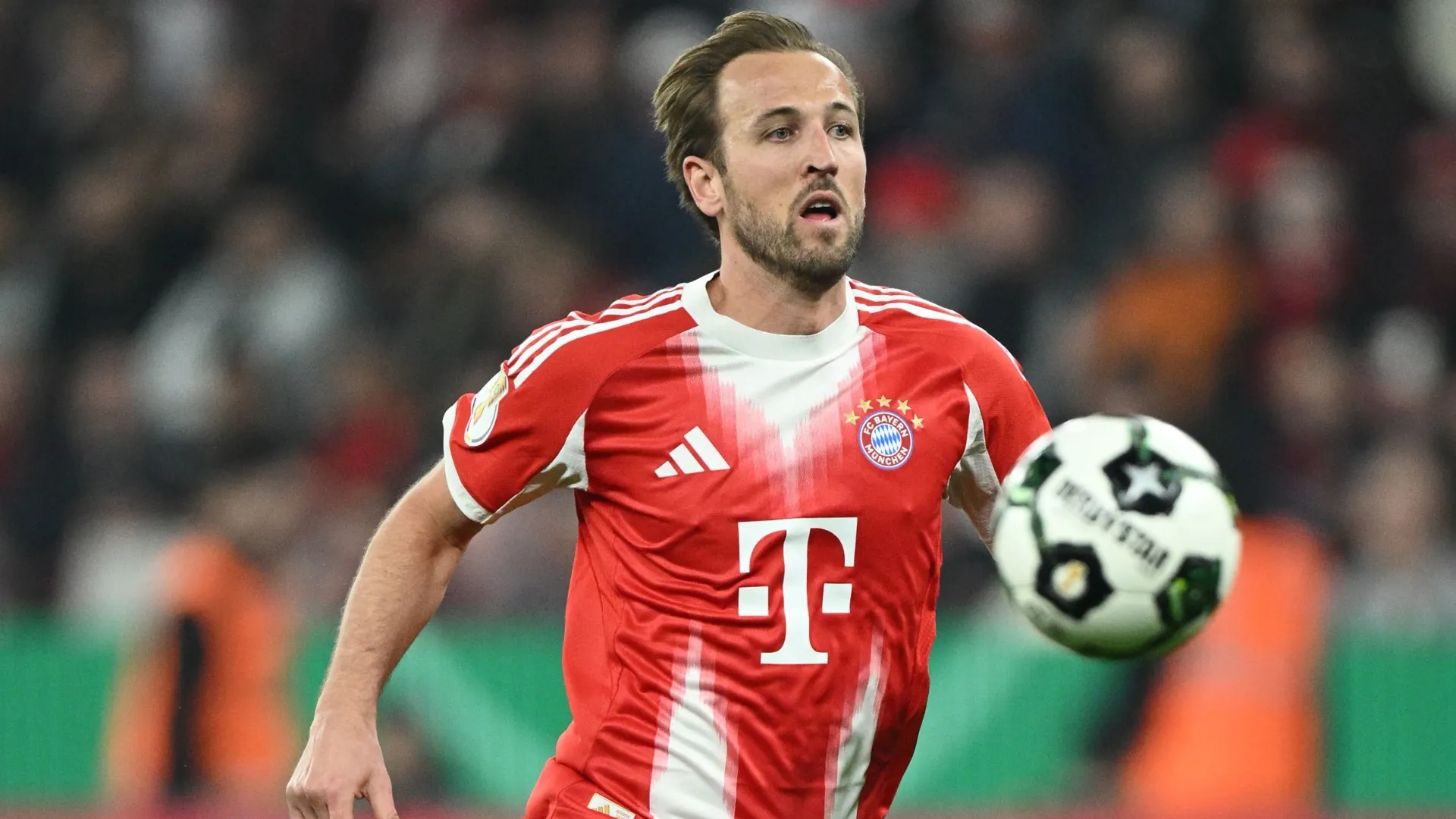
Harry Kane in action during the DFB Cup semifinal match in 2026 (Source: Stuart Franklin/Getty Images)
Historically, winning the first leg—especially at home—puts teams in a strong position. While it doesn’t guarantee qualification, it allows Bayern to approach the second leg with more control over the pace and strategy of the tie.
What happens if Bayern Munich and PSG tie today?
If Bayern Munich and PSG draw today, the semifinal remains level on aggregate heading into the second leg. The exact score of the draw does not create any extra advantage, because the away-goals rule has been removed.
That means a 0-0 or 2-2 result carries the same weight going into the return leg. Everything would then be decided in Paris. If the teams are still tied after both matches, the tie goes to extra time and, if necessary, penalties to determine who advances.
What happens if Bayern Munich lose to PSG today?
If Bayern Munich lose to Paris Saint-Germain today, they will trail on aggregate heading into the second leg and need to overturn the deficit in Paris. Even then, they would still control their fate over the remaining 90 minutes (or more).
Only the combined score across both legs matters. A narrow defeat keeps the tie very much alive, while a larger margin increases the difficulty of a comeback. They will truly have to give everything, as their manager will not be the only absence, with players like Serge Gnabry also set to miss the match.
It’s also worth noting that, without the away-goals rule, they would not face any additional disadvantage beyond the scoreline itself—meaning any deficit can be recovered simply by scoring more goals in the second leg.