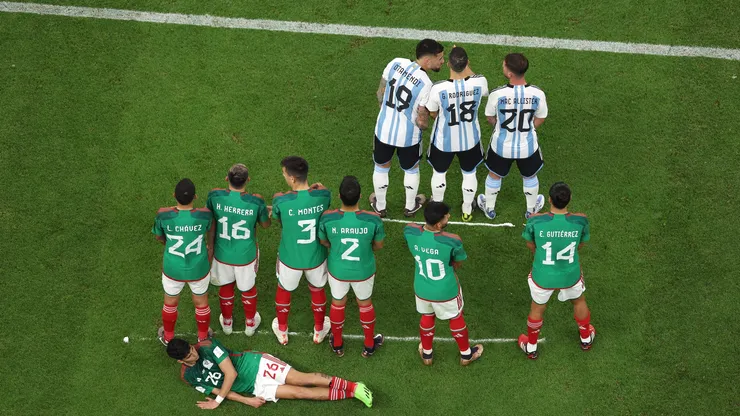
During the 2026 World Cup, fans notice a bizarre tactical trend during high-stakes free kicks near the penalty box. As the referee sets the defensive line, one player routinely drops to the turf, stretching out flat right behind their teammates’ boots. This horizontal human barrier has become a staple of modern soccer defense.
Traditionally, the defensive wall leaps into the air simultaneously to block shots aimed high over their heads toward the top corners of the net. However, world-class attackers started exploiting this jump by deliberately keeping their shots low, sneaking the ball underneath the rising defenders.
By deploying a designated player to lay down flat on the pitch, national teams effectively eliminate the threat of the under-the-wall strike. This insurance policy allows the standing defenders to jump as high as possible without the fear of being humiliated by a low, rolling shot.
Legality and the risk of handballs
This creative defensive positioning is entirely legal under official International Football Association Board (IFAB) guidelines, whether in the World Cup or standard club matches. The rules do not dictate what posture a defender must maintain, meaning players are permitted to stand, crouch, or lie down as they see fit.
As long as they remain the required 9.15 meters (10 yards) away from the ball before the whistle, the tactic is perfectly fair game. However, playing on the ground introduces a massive risk regarding the strict handball laws of soccer.

The origin of the “crocodile” defense
In 2013, during a Brazilian Serie B match, Figueirense defender Ricardinho hit the deck behind his wall to block a free kick from Palmeiras midfielder Jorge Valdivia. Years later, Inter Milan’s Marcelo Brozović brought the trick to the global stage during a 2018 Champions League match against Barcelona, famously dubbing his viral block “the crocodile move.”