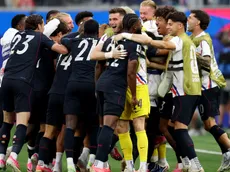
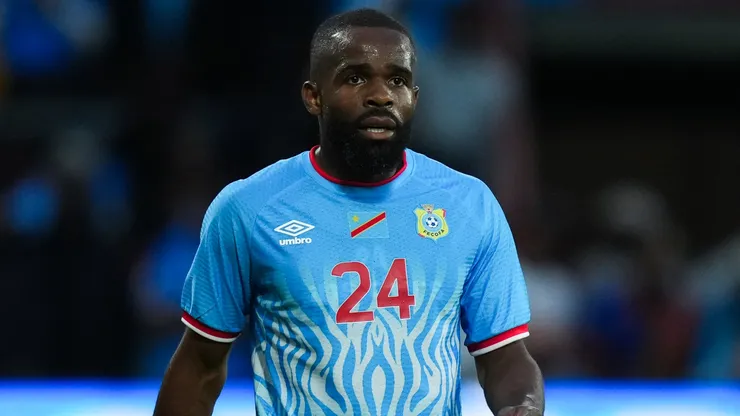
The abbreviation COD is used for the Democratic Republic of the Congo at the 2026 FIFA World Cup, using the country’s official ISO alpha-3 code derived from its local French name (République démocratique du Congo).
While American soccer fans might expect “DRC” based on the English name, FIFA relies on international standards to distinguish the nation from the Republic of the Congo (which uses COG). COD works to differentiate the neighboring countries, with the “D” standing for Democratic/Démocratique.
FIFA’s official coding system uses standardized three-letter identifiers for each member association. The three-letter naming convention is an essential piece of logistics for global tournaments, preventing on-screen confusion.
When was DR Congo’s last FIFA World Cup appearance?
DR Congo’s last FIFA World Cup appearance before 2026 came in 1974, when the country competed under the name Zaire. The African nation ended a 52-year absence by qualifying for the 2026 edition, marking one of the longest gaps.
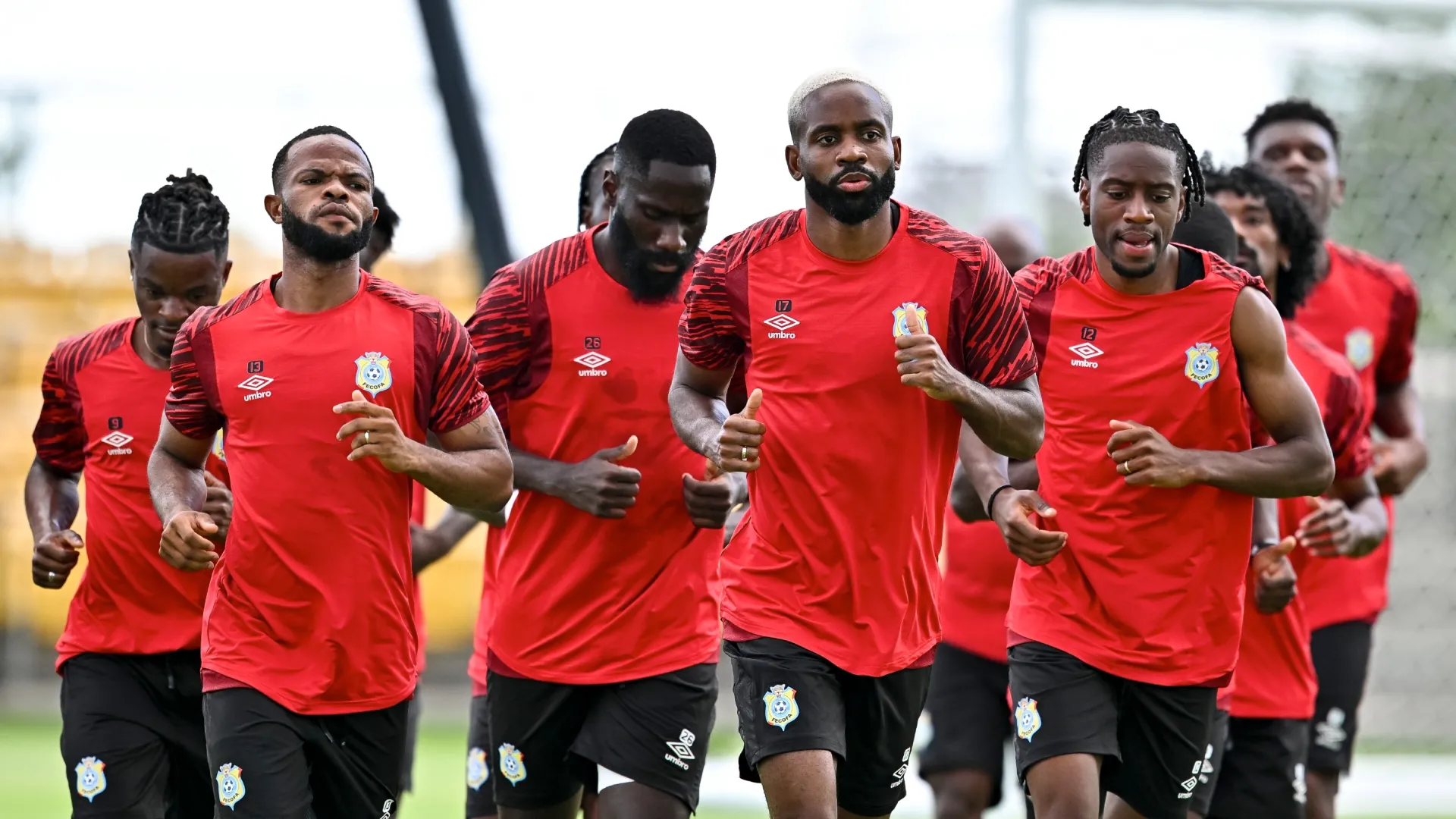
Players of DR Congo warm up during the team’s training session ahead of the FIFA World Cup 2026 (Source: Maria Lysaker/Getty Images)
The 1974 FIFA World Cup in West Germany was a historic moment for the country. Zaire became the first Sub-Saharan African nation ever to qualify for the men’s World Cup, joining a select group of African representatives.

Although the team lost all three group-stage matches against Scotland, Yugoslavia and Brazil, its qualification remains a landmark achievement in African soccer history. The squad finished the tournament without scoring a goal.
In 2026, the country returned to the biggest stage with renewed hope and a group of players born outside DR Congo. Besides, its squad includes talent from the Premier League.
Has DR Congo always used the COD abbreviation?
No, DR Congo has not always used the COD abbreviation. The code is tied to the country’s current official name, the Democratic Republic of the Congo, and is derived from international ISO country-code standards.
Before 1997, the country was known as Zaire, and international sporting bodies used different identifiers. When the nation reverted to the Democratic Republic of the Congo, its international country code also changed.
Today, FIFA, which has DR Congo within the top 50 of the world ranking, uses “COD” on scoreboards, standings, match reports and tournament graphics because it corresponds to the ISO 3166-1 alpha-3 code assigned to the Democratic Republic of the Congo.
What is the difference between DR Congo and the Republic of the Congo?
The primary difference between DR Congo (COD) and the Republic of the Congo (COG) lies in their size, soccer history and distinct governments, despite sharing a border and the geographic Congo River basin.
The Democratic Republic of the Congo is the larger of the two nations and has a population of more than 100 million people, while the Republic of the Congo is significantly smaller and is centered around its capital.
The Democratic Republic of the Congo’s capital is Kinshasa, while the Republic of the Congo’s capital is Brazzaville. The two capitals sit directly across the Congo River from one another, making them the closest pair of national capitals.
In soccer, the Democratic Republic of the Congo has enjoyed greater success on the continental stage. The Leopards have won the Africa Cup of Nations twice and qualified for the FIFA World Cup in 1974 and 2026.
The Republic of the Congo, meanwhile, has never qualified for a FIFA World Cup. This distinction is one of the main reasons FIFA and other international organizations rely on the “COD” designation. The code helps avoid confusion.