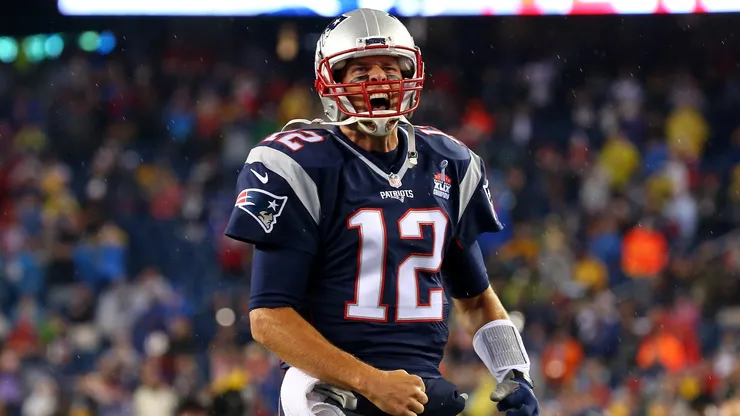
From coast to coast, every NFL franchise has been defined by a quarterback whose presence transcended the field. Some players didn’t just throw passes—they forged identities, ignited rivalries and etched themselves into the soul of the game.
Some commanded dynasties with surgical precision, others carried underdog teams to improbable glory. Each left a distinct imprint, their leadership and style shaping how their team was seen and remembered across decades of gridiron battles.
Whether they became legends in small markets or icons under the brightest lights, their impact is woven into the league’s history. These are the quarterbacks who stood as more than athletes—they became the embodiment of an entire franchise’s spirit.
Miami Dolphins – Dan Marino
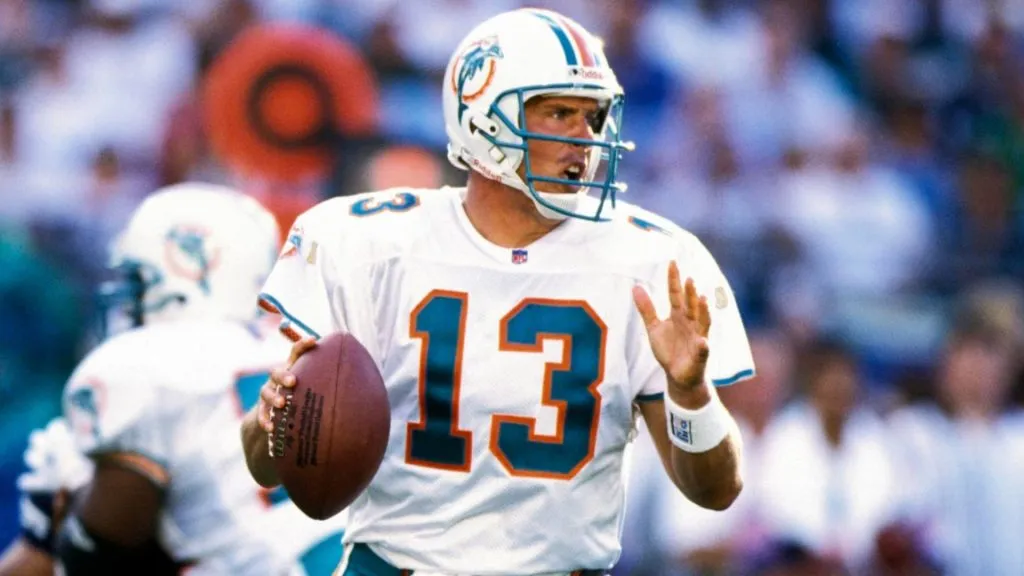
Dan Marino (Source: @FinsXtra)
In Miami, the 1983 draft yielded a gem when the Dolphins snatched Dan Marino at 27th overall—an afterthought compared to other QBs selected ahead of him. Yet by Week 6 of his rookie year, when he passed for a league-best 96.0 rating and became the first rookie ever to start a Pro Bowl, it was clear a revolution in quarterback play had begun.
The following season, he shattered NFL norms with 5,084 passing yards and 48 touchdown passes en route to league MVP, carrying Miami to Super Bowl XIX where, despite a loss to the 49ers, he logged 318 yards in a duel of passing titans.
Over 17 seasons, he redefined the aerial art, retiring as the all-time leader in passing yards, touchdowns, and completions—records only later eclipsed by other legends—and earning his place in the Hall of Fame as the voice of a franchise’s golden era.
Tennessee Titans – Warren Moon
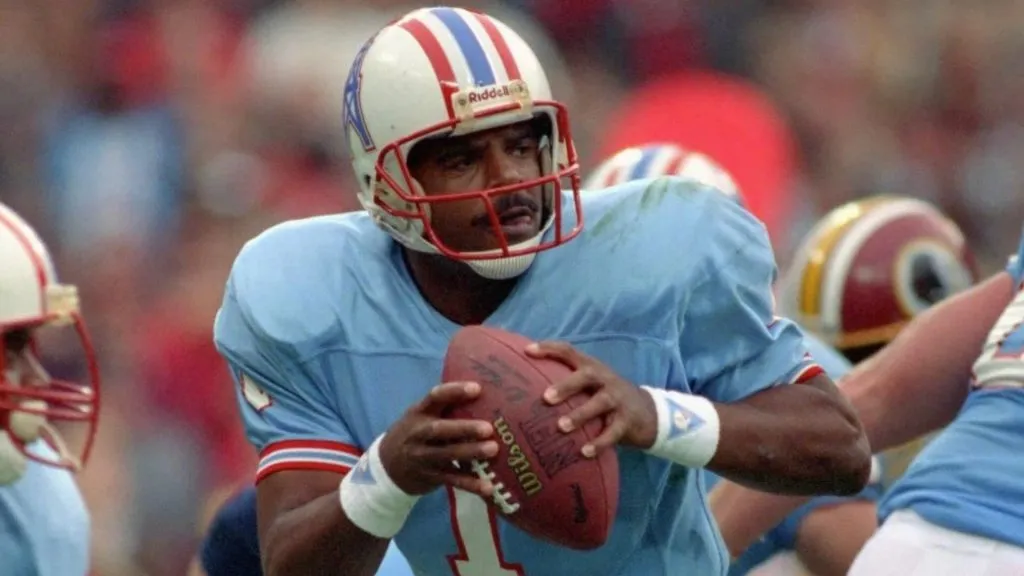
Warren Moon (Source: @NFLATennessee)
Warren Moon didn’t just play for the Oilers/Titans—he rewrote the franchise’s record books, setting marks that endured for decades: career passing yards (33,685), completions (2,632), single-season passing yards (4,690 in 1991), and a cascade of postseason records that made him the definitive quarterback face of the franchise.
His mastery didn’t stop there: in 1990, he threw for 4,689 yards with 33 touchdowns, earning Offensive Player of the Year honors, and one year later followed with another 4,690-yard season, etching his name among the elite layers of the record books.
Beyond the stats, his entry into the Hall of Fame marked a milestone—he broke barriers as the first African-American quarterback inducted, symbolizing not just a franchise, but a shift in the NFL’s representation and legacy.
Arizona Cardinals – Jim Hart
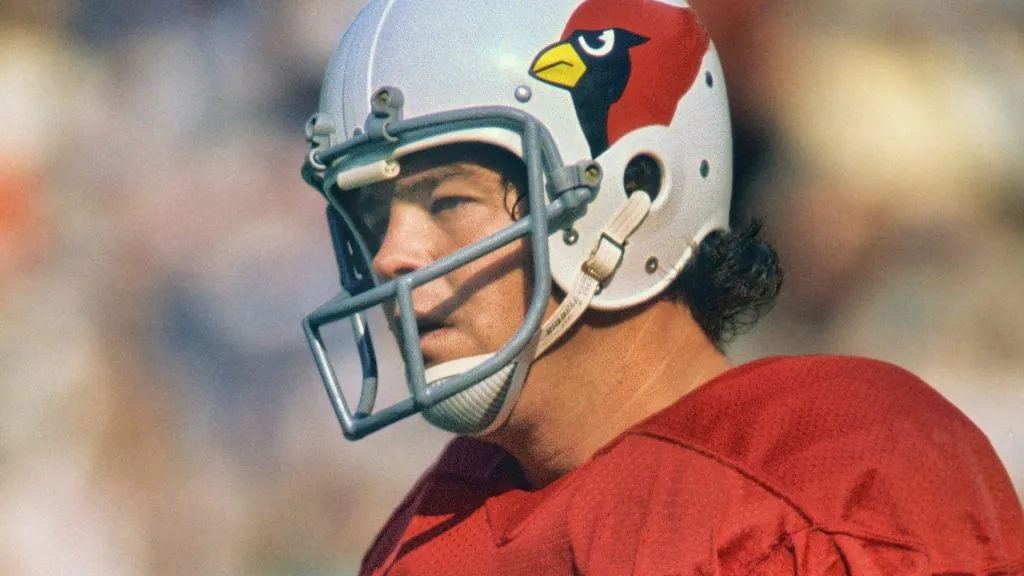
Jim Hart (Source: @@AZCardinals)
Jim Hart was the steady presence for the Cardinals from the mid-1960s through the early 1980s. Despite not being a high draft pick, he emerged as the franchise’s cornerstone, throwing for over 34,000 yards in an era when passing wasn’t as dominant as today. His consistency and strong arm helped keep the team competitive during challenging seasons.
Beyond the numbers, he embodied the resilience of a franchise fighting for identity in the NFL. A four-time Pro Bowler, he is remembered for his leadership and clutch performances, managing the offense with poise when it mattered most. His legacy remains firmly entrenched as one of the greatest quarterbacks in Cardinals history.
Atlanta Falcons – Matt Ryan
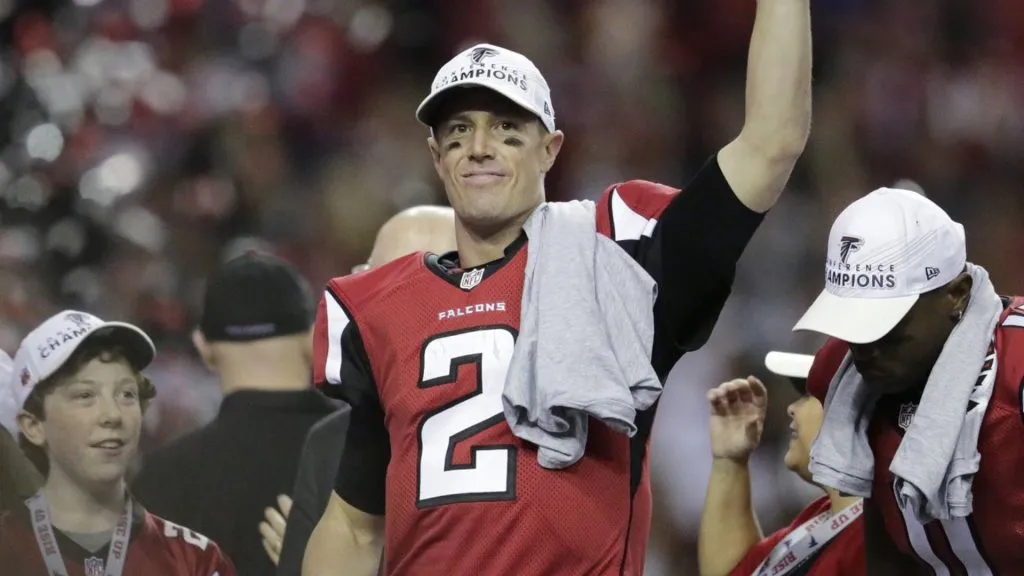
Matt Ryan (Source: @AustinPlanet)
Matt Ryan, nicknamed “Matty Ice”, became the face of the Falcons franchise from his rookie year in 2008 onward. Known for his calm and composed presence under pressure, he quickly established himself as one of the most reliable and accurate quarterbacks in the league. Over his tenure with Atlanta, he amassed over 60,000 passing yards and 381 touchdowns, consistently leading the offense with poise and precision.
His career highlight came in the 2016 season when he won the NFL MVP award and led the Falcons to their first-ever Super Bowl appearance. Although the Falcons fell short in a dramatic Super Bowl LI, his leadership and work ethic earned him lasting respect as one of the franchise’s all-time greats and a model of consistency in the quarterback position.
Baltimore Ravens – Lamar Jackson
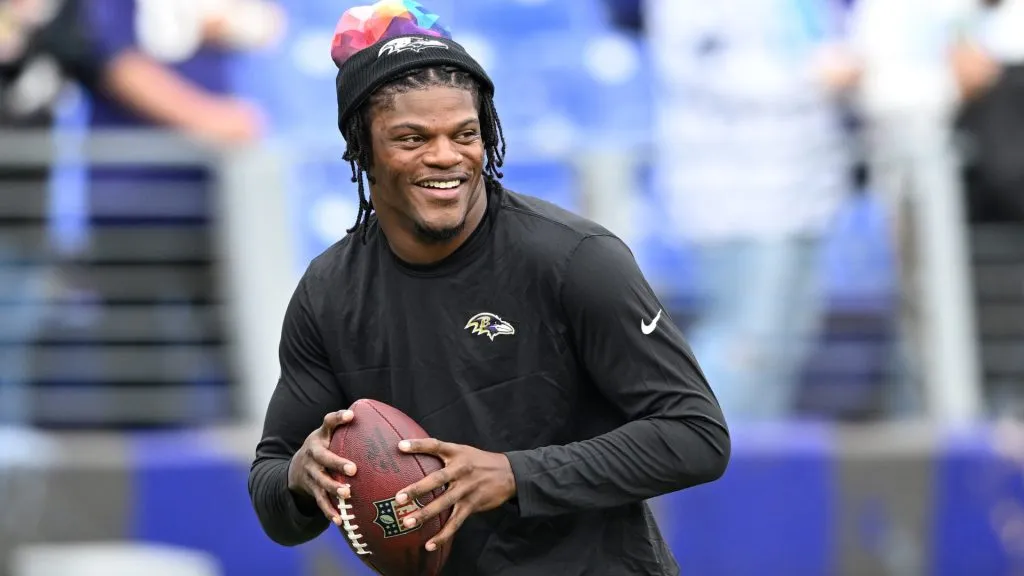
Lamar Jackson #8 of the Baltimore Ravens warms up prior to a game against the Detroit Lions at M&T Bank Stadium on October 22, 2023. (Source: Greg Fiume/Getty Images)
Lamar Jackson has redefined what it means to be an NFL quarterback with his rare combination of speed, agility, and arm talent. Drafted in 2018, Jackson quickly rose to superstardom, winning the league MVP in 2019 after an electrifying season where he passed for over 3,100 yards and ran for more than 1,200 yards — an unprecedented dual-threat performance.
His dynamic style of play has transformed the Ravens’ offense into one of the most explosive in the NFL. His ability to escape pressure and create plays on the run challenges traditional defenses and has forced the league to rethink how to defend mobile quarterbacks. His impact goes beyond stats; he’s a cultural icon representing a new generation of athletic, versatile signal-callers.
Buffalo Bills – Jim Kelly
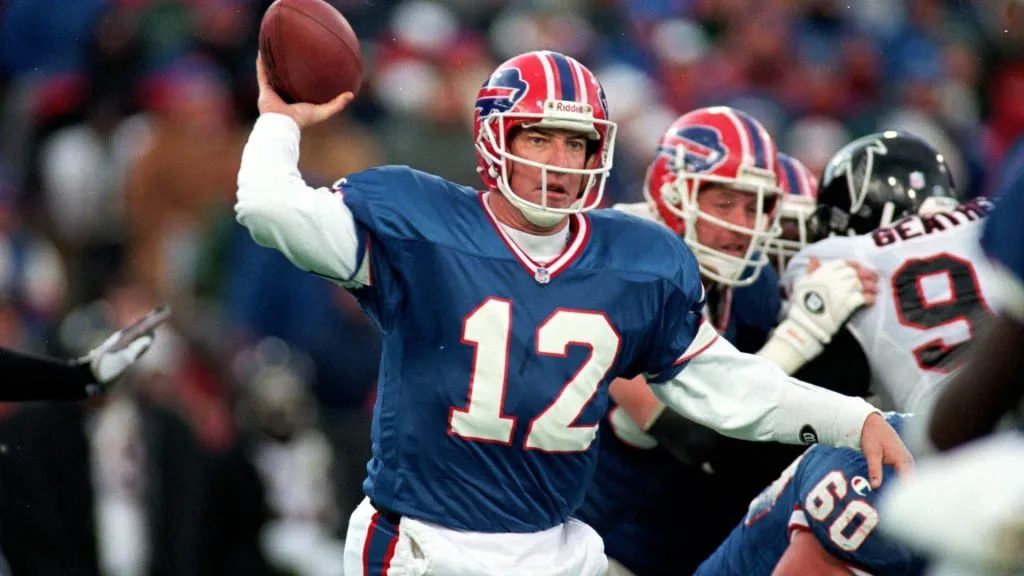
Jim Kelly #12 of the Buffalo Bills gets ready to pass the ball during the game against the Atlanta Falcons at the Rich Stadium in 1995. (Source: Getty Images)
Jim Kelly stands as the most iconic quarterback in Buffalo Bills history, known for his fierce competitiveness and leadership during the franchise’s golden era in the early 1990s. Drafted in 1983, his trademark “K-Gun” offense — a fast-paced, no-huddle attack — led Buffalo to an unprecedented four consecutive Super Bowl appearances, an NFL record unmatched to this day.
While the Bills fell short in all four title games, his legacy is defined by resilience and excellence. Throwing for over 35,000 yards and 237 touchdowns in his career, he set a standard of toughness and determination that lifted a small-market team into the national spotlight, forever etching his name among football’s greats.
Carolina Panthers – Cam Newton
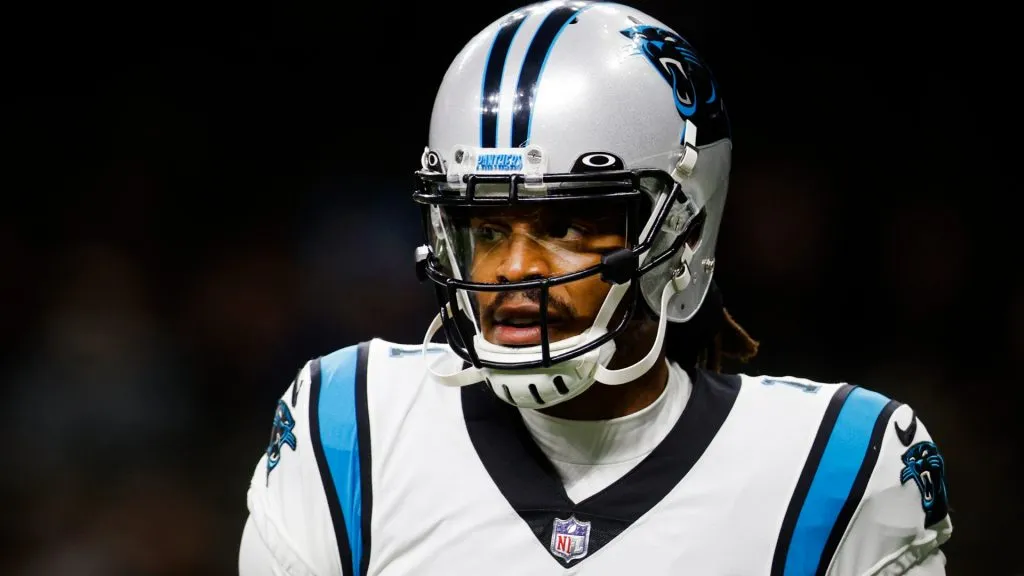
Cam Newton #1 of the Carolina Panthers warms up before the game against the New Orleans Saints at Caesars Superdome on January 02, 2022. (Source: Chris Graythen/Getty Images)
Cam Newton burst onto the NFL scene in 2011 as a physical marvel who blended quarterback arm strength with rare athleticism. His style of play, marked by powerful running and an imposing presence, made him a dual-threat quarterback capable of dominating games both through the air and on the ground.
His 2015 MVP season was a watershed moment for the Panthers, leading them to a franchise-first Super Bowl appearance with a 15-1 record. He set a single-season record for rushing touchdowns by a quarterback and brought a new energy to Carolina, inspiring a new wave of mobile quarterbacks across the league.
Chicago Bears – Sid Luckman
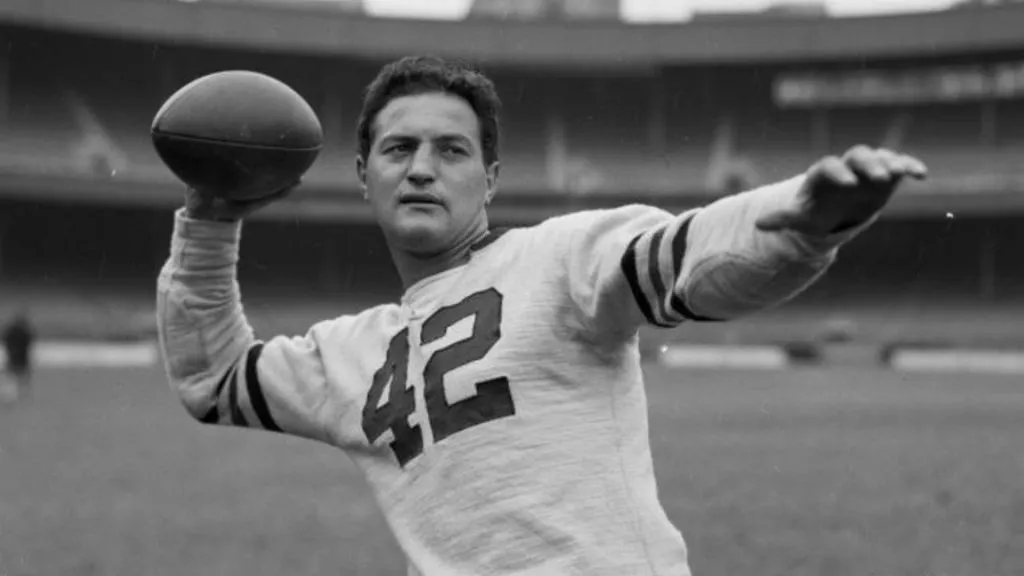
Sid Luckman (Source: @BearsLocal)
Sid Luckman was a pioneer who helped revolutionize the quarterback position during the 1940s. Playing for the Bears from 1939 to 1950, he was one of the first quarterbacks to fully utilize the T-formation, transforming the NFL’s offensive approach and leading Chicago to four NFL championships in a dominant era.
His precision passing and leadership under pressure set the blueprint for modern quarterbacks. He amassed over 14,000 passing yards and 137 touchdowns at a time when the forward pass was still considered a risky play, earning him a place among the game’s earliest legends.
Cincinnati Bengals – Ken Anderson
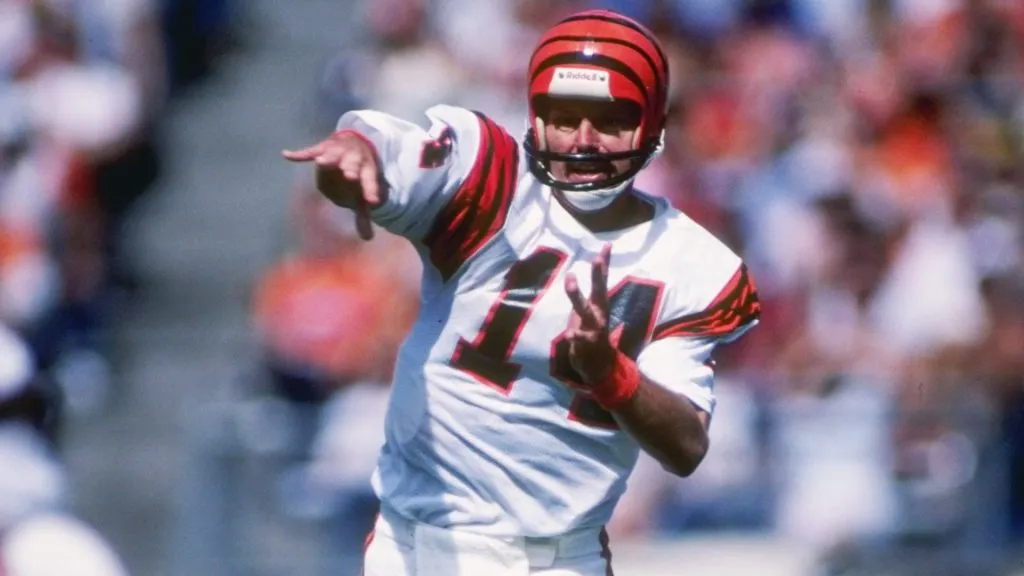
Cincinnati Bengals quarterback Ken Anderson throws a pass during game against the Denver Bronos at Mile High Stadium in 1984. (Source: Allsport – Getty Images)
Ken Anderson quietly established himself as one of the most efficient and intelligent quarterbacks of the 1970s and ’80s. Playing his entire career with Cincinnati, he earned the NFL MVP in 1981, the same year he led the Bengals to their first Super Bowl appearance.
Known for his accuracy and game management, he threw for over 32,000 yards and 197 touchdowns in a career marked by consistency. His cerebral style and calm leadership helped put Cincinnati on the NFL map during a period of franchise growth and set a standard for future Bengals quarterbacks.
Cleveland Browns – Otto Graham
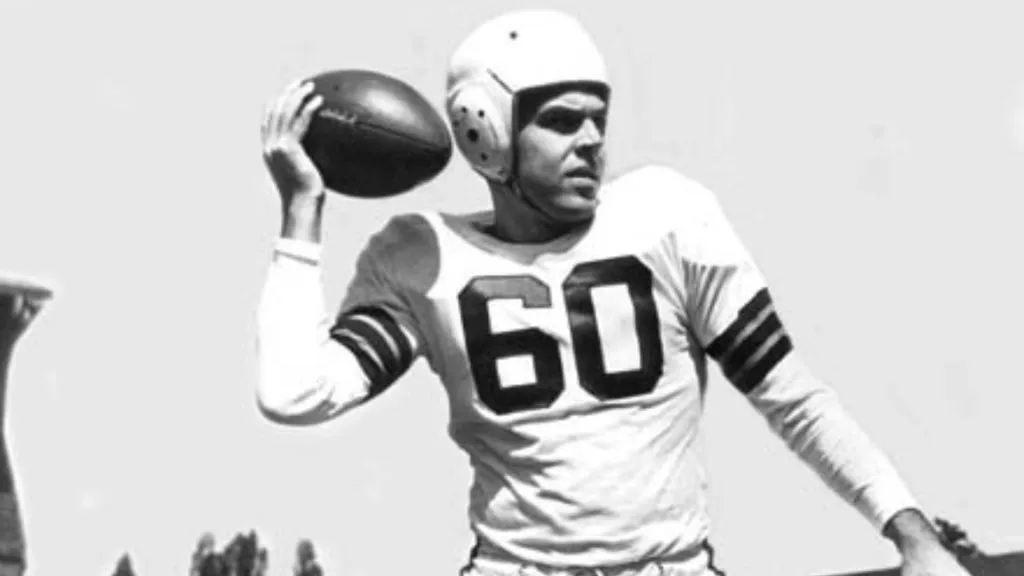
Otto Graham (Source: @boninsportscard)
Otto Graham dominated professional football in the 1940s and 50s, guiding the Browns to seven league championships across the AAFC and NFL. His blend of powerful arm and pinpoint accuracy made him the cornerstone of a Browns dynasty, known for delivering in clutch moments when championships were on the line.
His leadership extended beyond stats — he elevated the quarterback role with his ability to read defenses and execute under pressure, setting a standard that future generations would aspire to. His impact resonates in Cleveland’s rich football history as arguably the franchise’s greatest ever.
Denver Broncos – John Elway
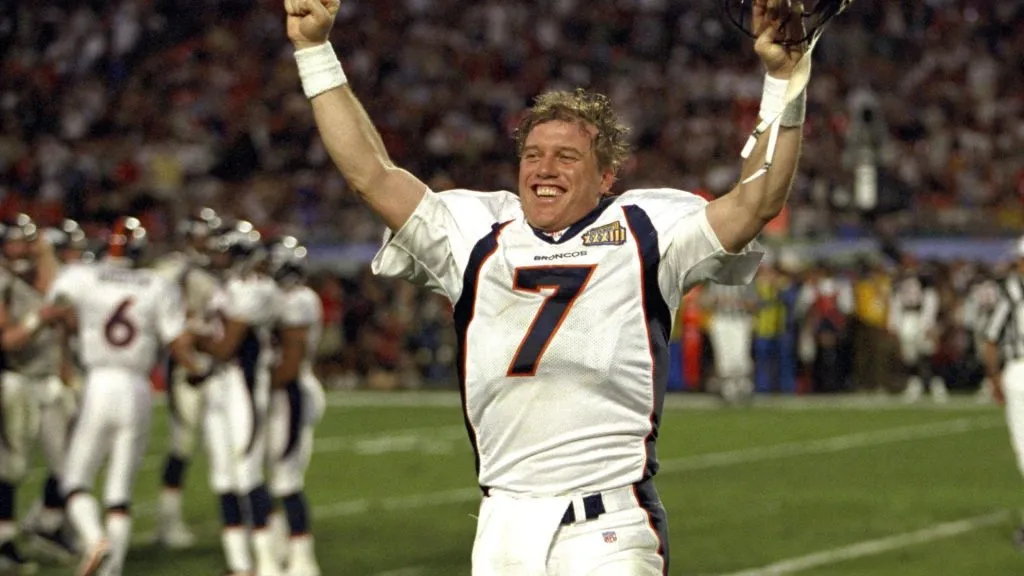
John Elway (Source: @25YearsAgoLive)
John Elway’s legendary career with the Broncos is synonymous with resilience and greatness. Despite early Super Bowl losses, his unmatched poise and cannon arm led Denver to back-to-back championships in 1997 and 1998, solidifying his status as one of the NFL’s all-time greats.
He was known for his late-game heroics and ability to inspire teammates, famously engineering countless comebacks. His career totals — over 51,000 passing yards and 300 touchdowns — only tell part of the story of his leadership, determination, and love for the game.
Houston Texans – Matt Schaub
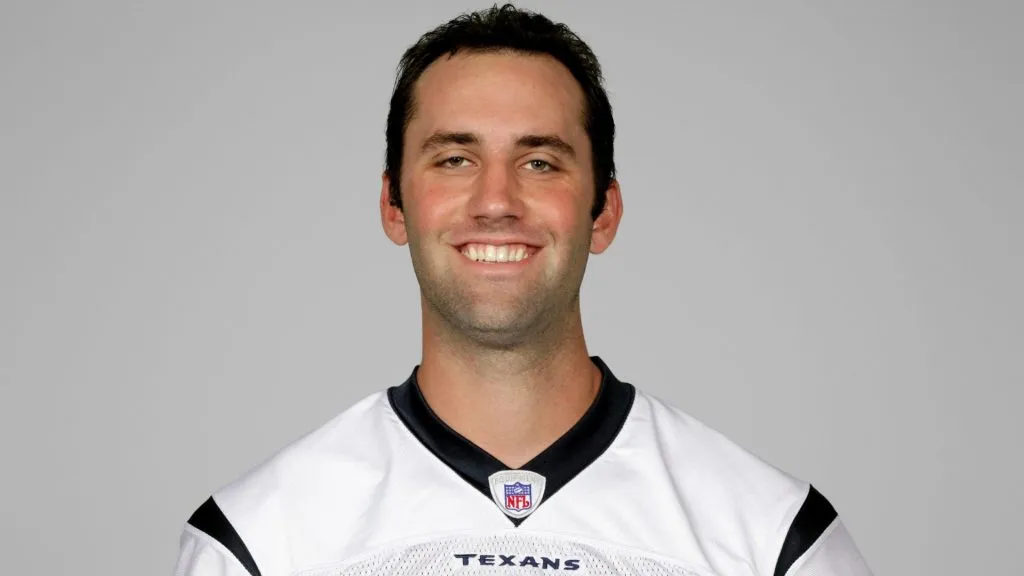
Matt Schaub of the Houston Texans poses for his 2007 NFL headshot at photo day in Houston. (Source: Getty Images)
Matt Schaub was the first true franchise quarterback for the Houston Texans, providing stability and leadership in the team’s early years. Between 2007 and 2013, he threw for more than 24,000 yards and led Houston to four playoff appearances, establishing a competitive culture in a young franchise.
Known for his calm demeanor and efficient style, he set franchise records and paved the way for future Texans quarterbacks. His time in Houston is remembered as the foundation on which the team built its early successes.
Indianapolis Colts – Peyton Manning
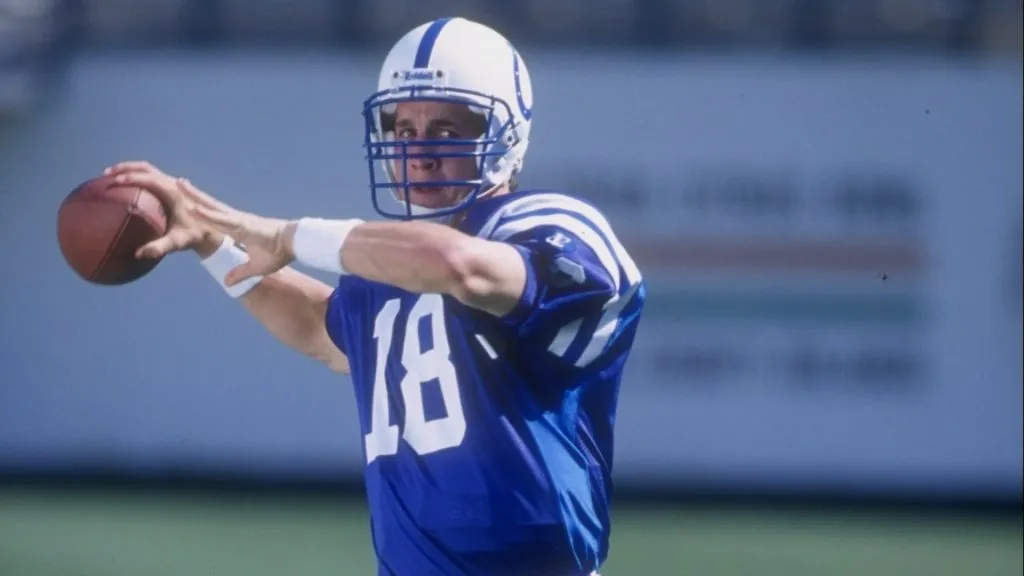
Peyton Manning #18 of the Indianapolis Colts in action during the Pinnacle NFL Rookie Shoot at the Citrus Bowl in 1998. (Source: Andy Lyons /Allsport)
Peyton Manning is widely regarded as one of the greatest quarterbacks in NFL history, and his transformative impact on the Colts franchise is undeniable. Drafted in 1998, his cerebral approach to the game combined with unmatched precision helped Indianapolis win two Super Bowls and earn five MVP awards.
He revolutionized quarterback play with his pre-snap adjustments and surgical passing. Over his career, he threw for over 71,000 yards and 539 touchdowns, setting numerous records while redefining leadership on and off the field. His legacy in Indianapolis remains a benchmark for excellence.
Jacksonville Jaguars – Mark Brunell
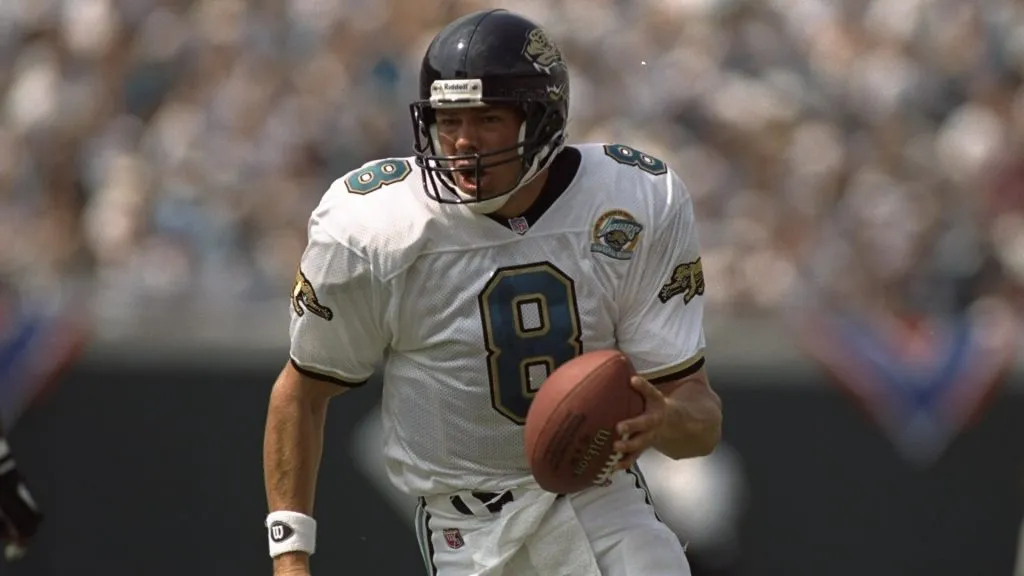
Quarterback Mark Brunell #8 of the Jacksonville Jaguars scrambles behind his line at Giants Stadium in 1995. (Source: Simon Bruty/Allsport)
Mark Brunell was the first star quarterback in Jaguars history, bringing poise and athleticism to a franchise in its infancy. Between 1995 and 2003, his ability to extend plays and lead a dynamic offense helped Jacksonville make four playoff appearances and reach the 1999 AFC Championship game.
His tenure set the tone for competitiveness in Jacksonville, combining mobility with a strong arm to keep defenses off balance. His leadership during those formative years remains a defining chapter in Jaguars lore.
Kansas City Chiefs – Patrick Mahomes
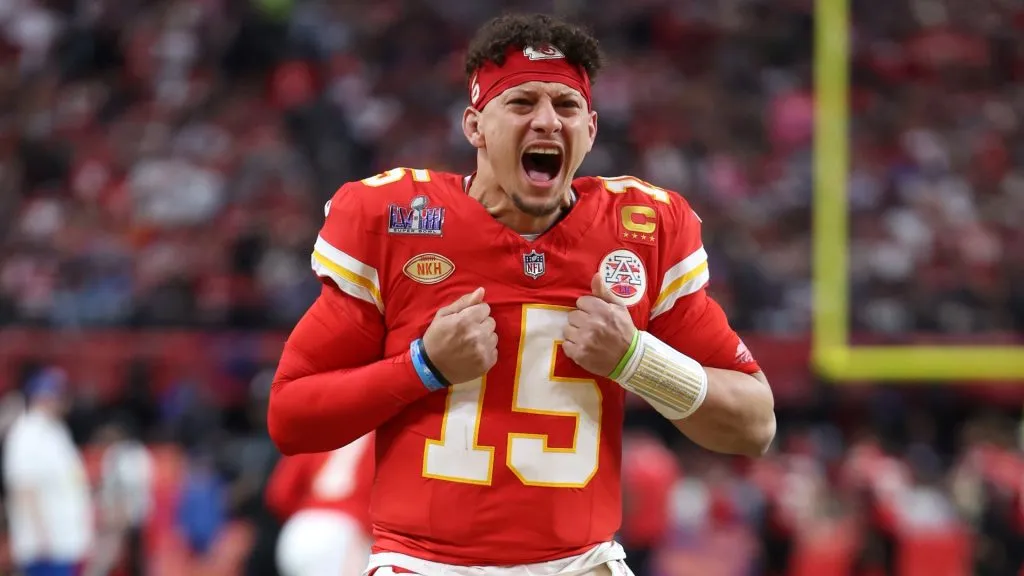
Patrick Mahomes #15 of the Kansas City Chiefs reacts prior to Super Bowl LVIII against the San Francisco 49ers at Allegiant Stadium on February 11, 2024. (Source: Jamie Squire/Getty Images)
Patrick Mahomes has rapidly become one of the NFL’s most electrifying talents since being drafted in 2017. Combining an incredible arm with improvisational skill, he led the Chiefs to their first Super Bowl victory in 50 years in the 2019 season and added another championship in 2022.
His dual MVP honors reflect his dominant presence on the field, where no defense seems safe from his unconventional throws and fearless playmaking. He is widely credited with ushering in a new era of quarterback play, redefining what’s possible at the position.
Las Vegas Raiders – Ken Stabler
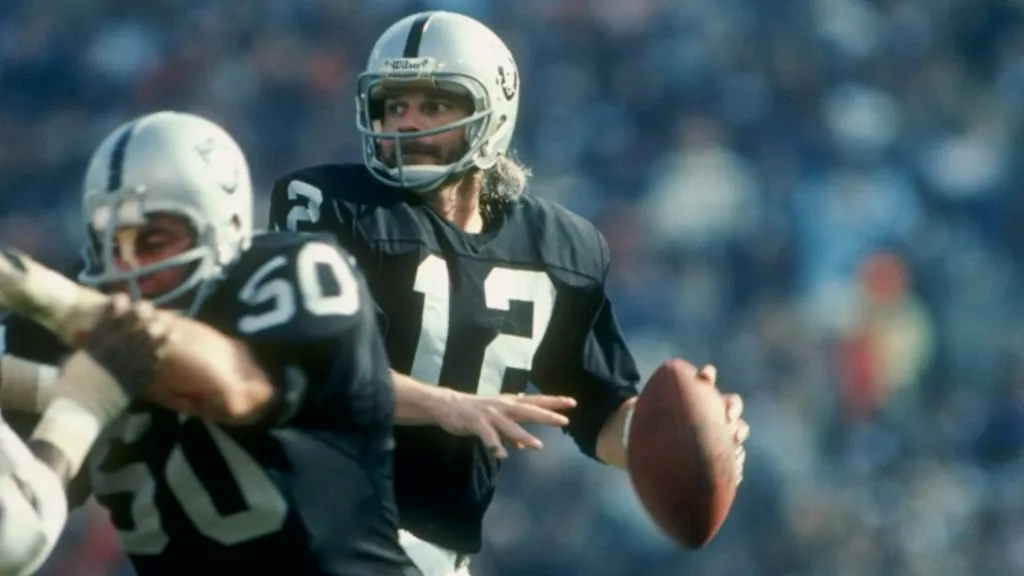
Quarterback Ken Stabler of the Oakland Raiders prepares to pass the ball during a game against the Cleveland Browns in 1979. (Source: Allsport / Getty Images)
Ken “The Snake” Stabler perfectly embodied the Raiders’ renegade spirit in the 1970s. His calm under pressure and fearless decision-making led Oakland to their first Super Bowl victory in the 1976 season. His improvisational skills and ability to deliver in clutch moments made him a beloved figure in Silver and Black lore.
Known for his gritty style and leadership, he threw for over 27,000 yards and 194 touchdowns during his career. He wasn’t just a talented quarterback but a symbol of the Raiders’ rebellious identity, a franchise that prized toughness and swagger above all else.
Los Angeles Chargers – Philip Rivers
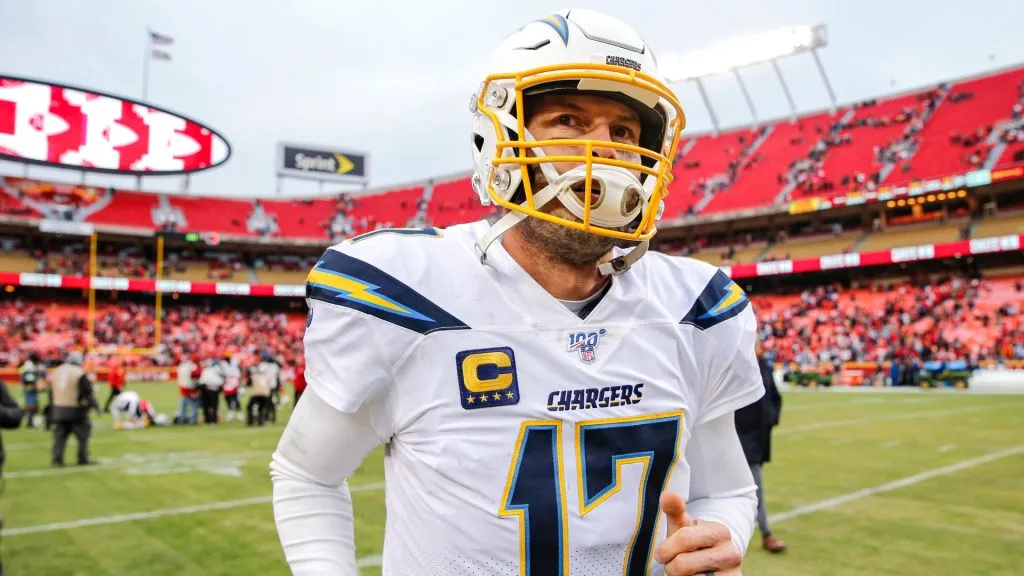
Philip Rivers #17 of the Los Angeles Chargers ran off the field following the 31-21 loss to the Kansas City Chiefs at Arrowhead Stadium on December 29, 2019. (Source: David Eulitt/Getty Images)
Philip Rivers was the heart and soul of the Chargers for over a decade, known for his fiery competitiveness and relentless work ethic. Despite never reaching the Super Bowl, he consistently produced top-tier performances, throwing over 63,000 yards and 400 touchdowns, making him one of the most prolific passers in NFL history.
His intensity on and off the field inspired teammates and fans alike, with his distinctive sideline presence and grit defining an era for the Chargers. His durability and leadership helped stabilize a franchise searching for identity and success in a challenging division.
Dallas Cowboys – Roger Staubach
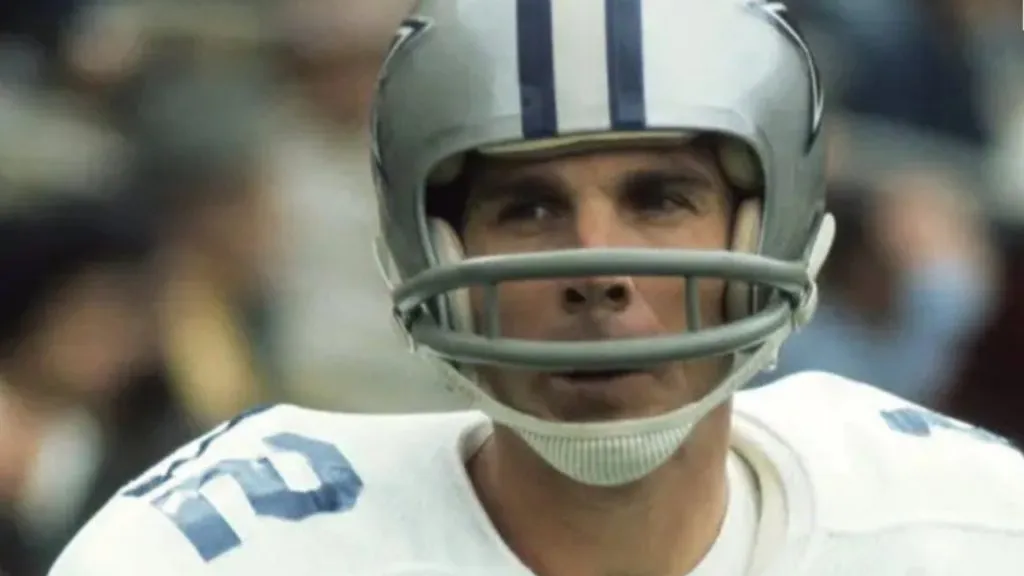
Roger Staubach (Source: @DailyBreadClips)
Roger “Captain America” Staubach led the Dallas Cowboys to their first two Super Bowl titles in the 1970s, becoming the franchise’s first true superstar quarterback. His clutch improvisation and magnetic leadership helped build Dallas into “America’s Team”, a nickname that would stick for decades.
His blend of intelligence, athleticism, and heart made him a hero in Texas and beyond. Over his career, he threw for nearly 23,000 yards and 153 touchdowns, but it was his ability to perform in the biggest moments that truly defined his legacy.
Detroit Lions – Matthew Stafford
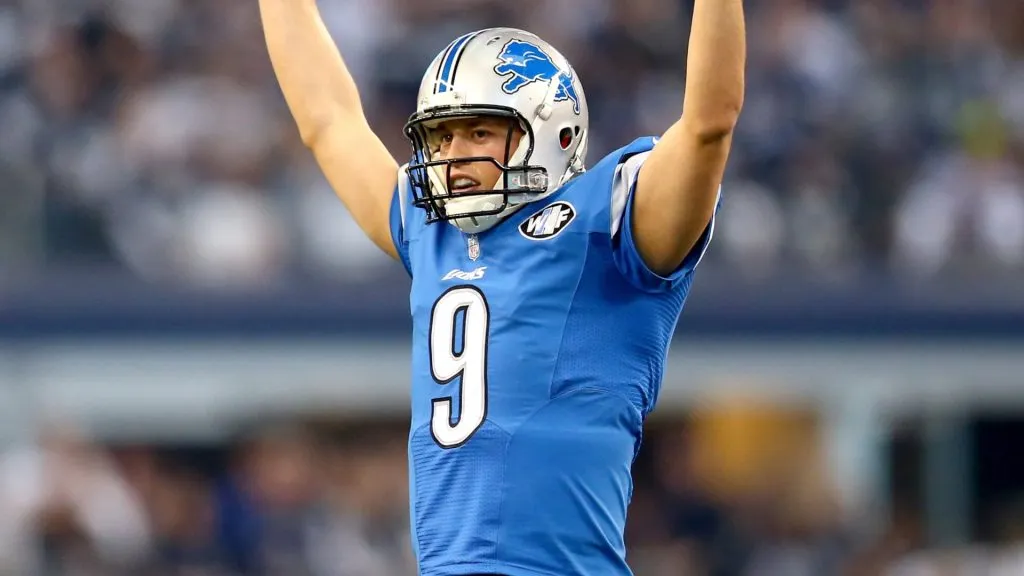
Matthew Stafford celebrates the 18-yard rushing touchdown by running back Reggie Bush in the first quarter against the Cowboys during the NFC Wildcard Playoff Game in 2015. (Source: Ronald Martinez/Getty Images)
Matthew Stafford brought hope and resurgence to the Detroit Lions with his powerful arm and fearless approach to the game. Entering the league in 2009, he became known for his ability to throw deep and perform under pressure, setting multiple franchise passing records during his tenure.
Despite facing many team struggles, his resilience shined through, culminating in leading the Lions to their first playoff victory in over two decades. His combination of arm strength, toughness, and leadership revitalized the Lions’ offense and reenergized a passionate fanbase.
Green Bay Packers – Aaron Rodgers
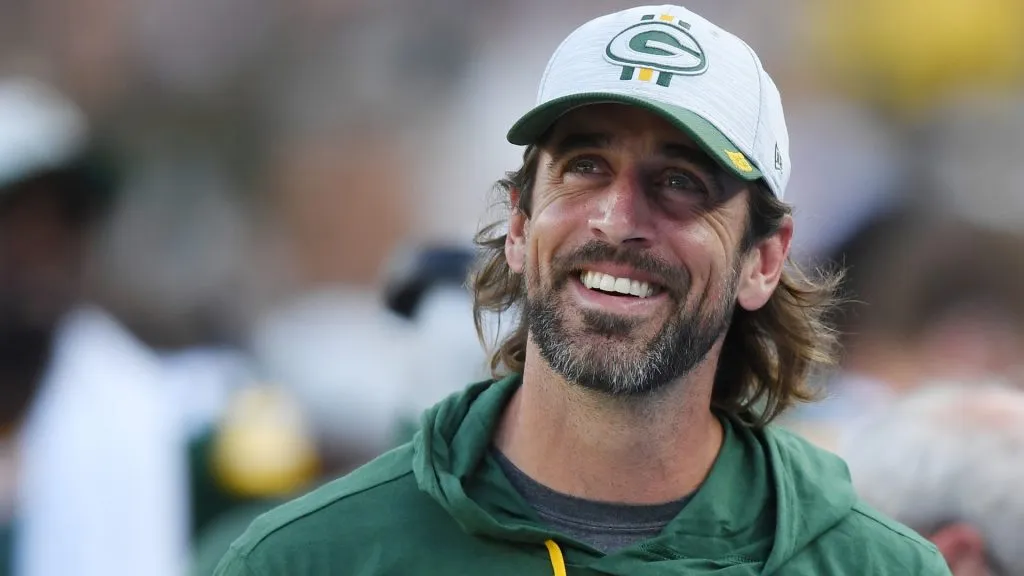
Aaron Rodgers #12 of the Green Bay Packers looks on in the second half against the New York Jets during a preseason game at Lambeau Field on August 21, 2021. (Source: Quinn Harris/Getty Images)
Aaron Rodgers is the embodiment of precision and coolness under fire. Since becoming the Packers’ starter in 2008, he has consistently displayed an uncanny ability to read defenses and deliver pinpoint throws, earning multiple MVP awards and a Super Bowl championship in 2010.
His blend of athleticism, intelligence, and swagger revolutionized the quarterback role. His long tenure has made him the face of Green Bay football and one of the NFL’s most prolific and efficient passers, with over 55,000 yards and 450 touchdowns.
Philadelphia Eagles – Donovan McNabb
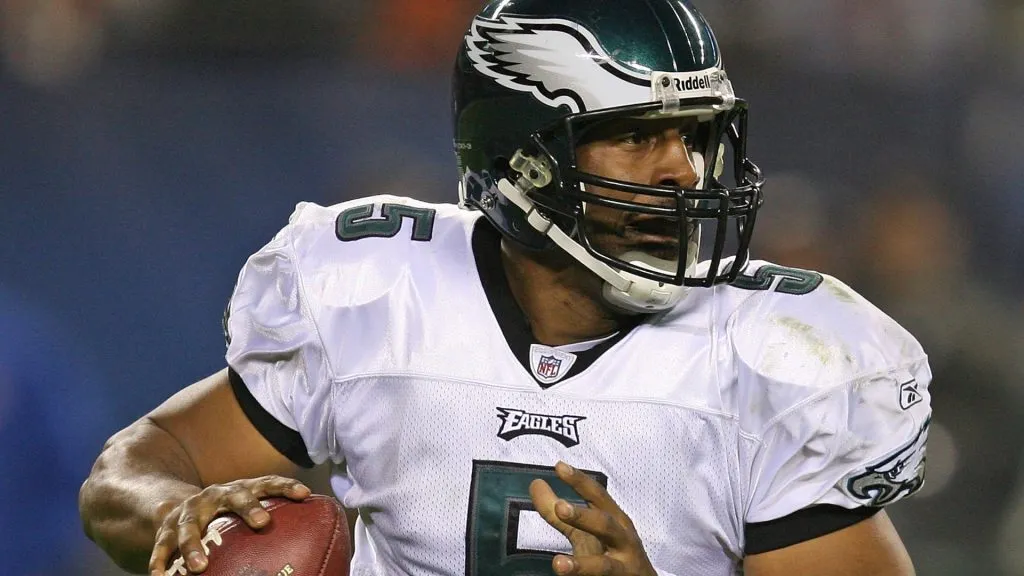
Donovan McNabb #5 of the Philadelphia Eagles rolls out to pass against the Chicago Bears at Soldier Field on November 22, 2009. (Source: Jonathan Daniel/Getty Images)
Donovan McNabb was the cornerstone of the Eagles’ resurgence in the early 2000s, bringing a potent mix of athleticism and leadership to Philadelphia. From 1999 to 2009, he led the team to six NFC Championship games and one Super Bowl appearance, rekindling the franchise’s playoff relevance after years of mediocrity.
Known for his strong arm and mobility, his playstyle allowed the Eagles to run a dynamic offense that kept defenses off balance. His ability to perform in big games and rally teammates cemented him as one of the franchise’s most influential quarterbacks in its storied history.
New England Patriots – Tom Brady
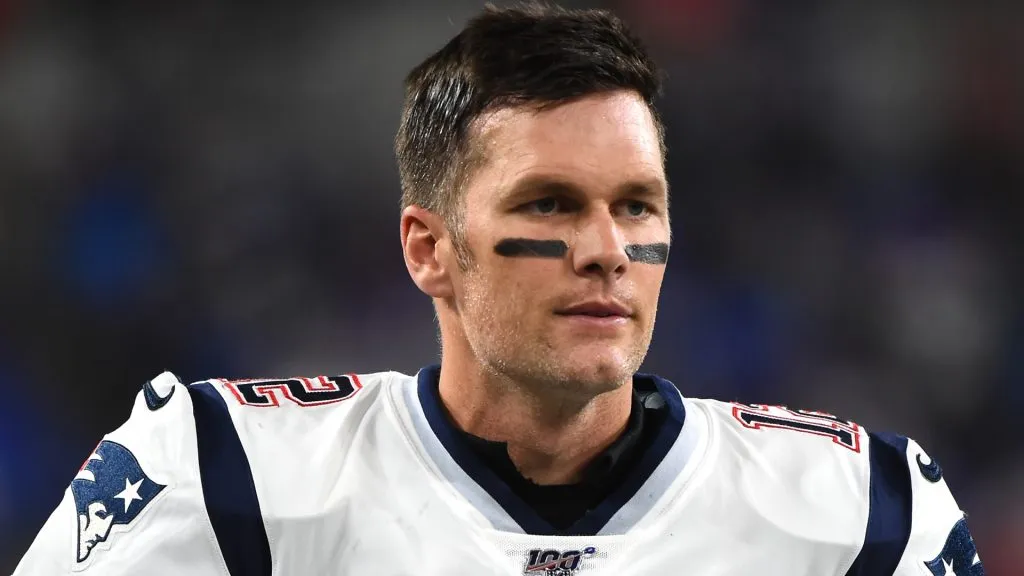
Quarterback Tom Brady #12 of the New England Patriots looks on before playing against the Baltimore Ravens at M&T Bank Stadium on November 3, 2019. (Source: Will Newton/Getty Images)
Tom Brady’s legendary career is defined by unparalleled success and clutch performances. Drafted in the sixth round in 2000, he transformed the Patriots into a dynasty, winning six Super Bowls with New England and rewriting the record books for longevity, leadership, and postseason dominance.
His competitive spirit and football intelligence made him the face of a new NFL era. Beyond his seven Super Bowl rings (including one with the Buccaneers), his precision passing and ability to elevate teammates set an unmatched standard for greatness at quarterback.
New Orleans Saints – Drew Brees
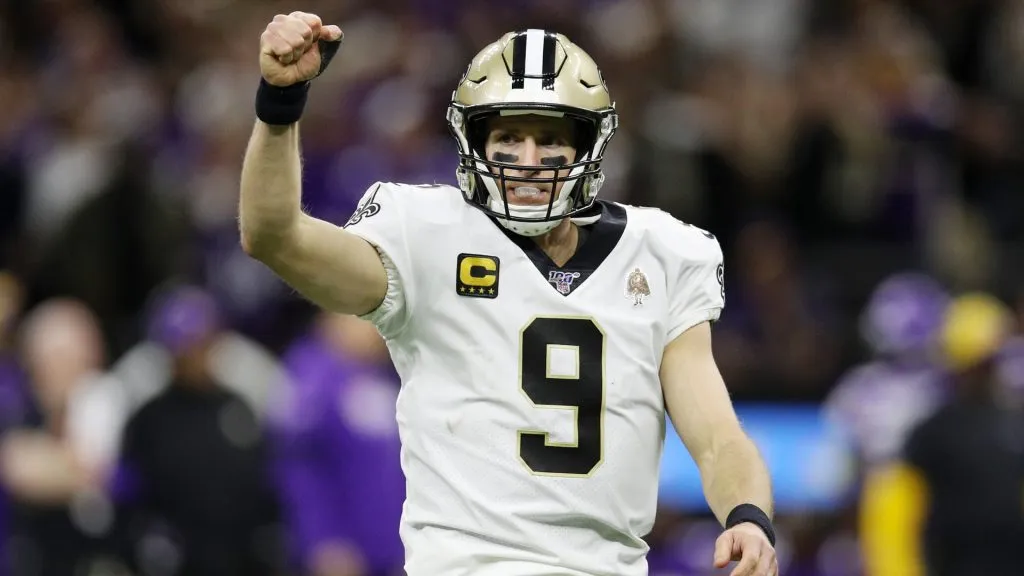
Drew Brees celebrates after throwing a touchdown pass to Taysom Hill #7 during the fourth quarter against the Minnesota Vikings in the NFC Wild Card Playoff game in 2020. (Source: Chris Graythen/Getty Images)
Drew Brees resurrected the New Orleans Saints following Hurricane Katrina, becoming both the franchise’s and city’s inspirational figure. From 2006 to 2020, he rewrote the Saints’ record books, becoming one of the most accurate and prolific passers in NFL history.
His leadership culminated in the Saints’ first Super Bowl victory in 2009, a triumph that united a recovering city. His community involvement and consistency on the field helped redefine the franchise’s identity and left a lasting legacy of excellence and hope.
New York Giants – Eli Manning
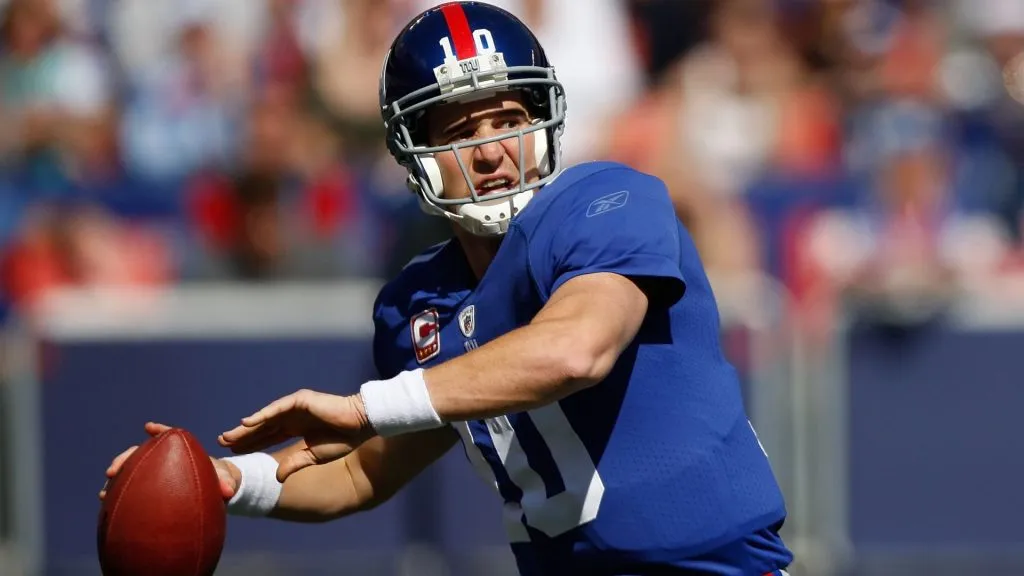
Eli Manning #10 of the New York Giants drops back to pass against the Oakland Raiders during the game on October 11, 2009. (Source: Jared Wickerham/Getty Images)
Eli Manning carved his place in Giants history with poise and clutch play, leading the team to two dramatic Super Bowl victories over the Patriots in 2007 and 2011. Known for his durability and calm demeanor, he threw over 57,000 yards and 366 touchdowns over his career.
His legacy is defined by his postseason heroics, including multiple game-winning drives and comebacks that cemented his status as a Giants legend. His leadership and resilience were key to New York’s success in a fiercely competitive era.
New York Jets – Joe Namath
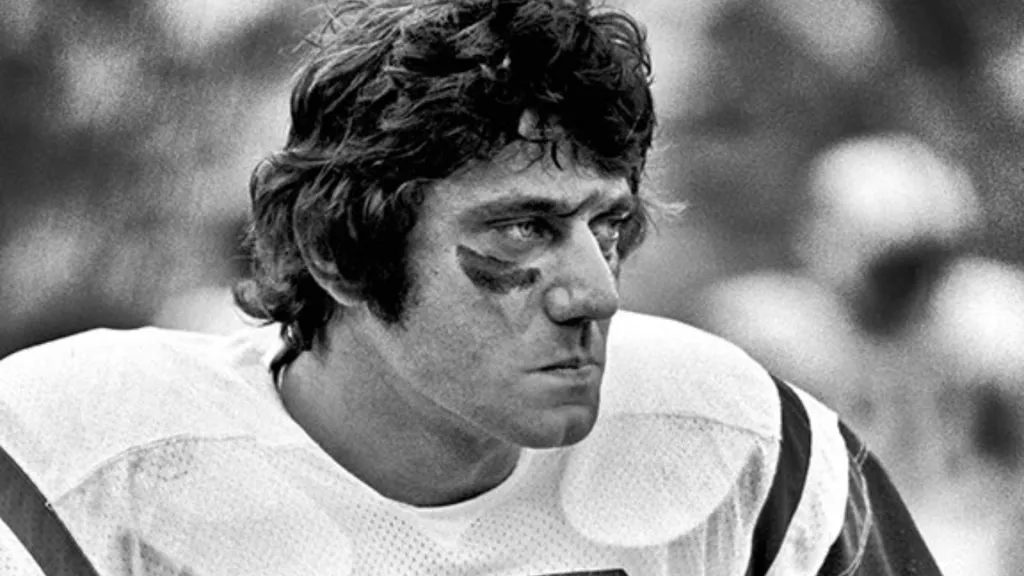
Joe Namath (Source: @50YearsAgoLive)
Joe Namath, or “Broadway Joe”, was an iconic figure who brought swagger and flair to the quarterback position in the 1960s and 70s. His bold guarantee of victory before Super Bowl III became legendary when he led the Jets to a stunning upset over the heavily favored Baltimore Colts.
His charismatic personality and fearless style transformed the Jets’ franchise, delivering their only Super Bowl championship to date. Beyond the stats, his cultural impact and leadership on the field made him a trailblazer in NFL history.
Los Angeles Rams – Kurt Warner
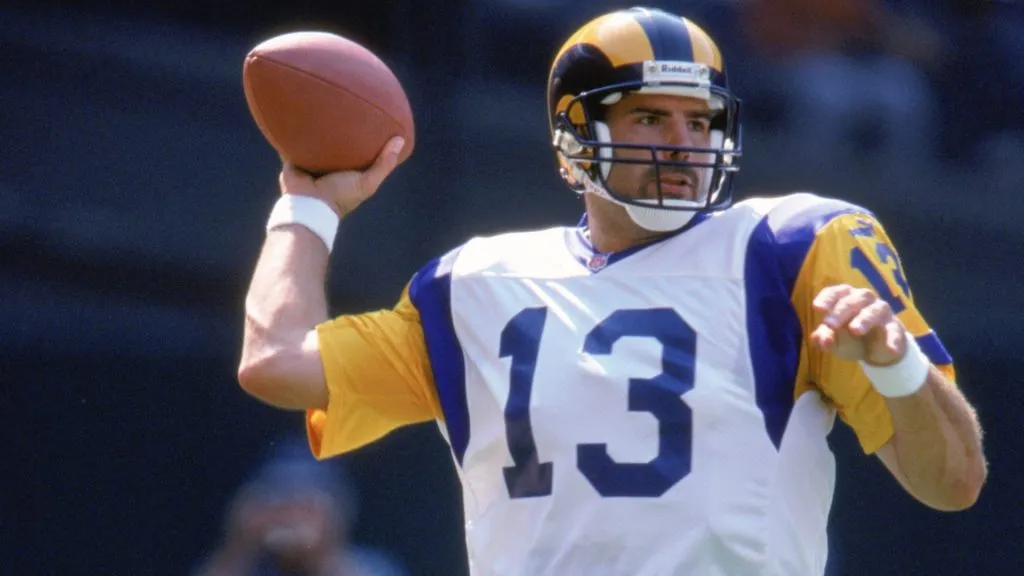
Quarterback Kurt Warner #13 of the St. Louis Rams passes the ball against the Cincinnati Bengals in 1999. (Source: Andy Lyons /Allsport)
Kurt Warner’s rise from undrafted free agent to Super Bowl MVP is one of the most remarkable stories in NFL history. After years in the Arena Football League and NFL Europe, he seized his opportunity with the Rams in 1999, leading the “Greatest Show on Turf” offense with a quick release and pinpoint accuracy.
His 1999 season culminated in a Super Bowl victory, where he was named MVP, reshaping the Rams franchise and revitalizing their legacy. His story of perseverance, talent, and poise under pressure remains an inspiring chapter in football lore.
San Francisco 49ers – Joe Montana
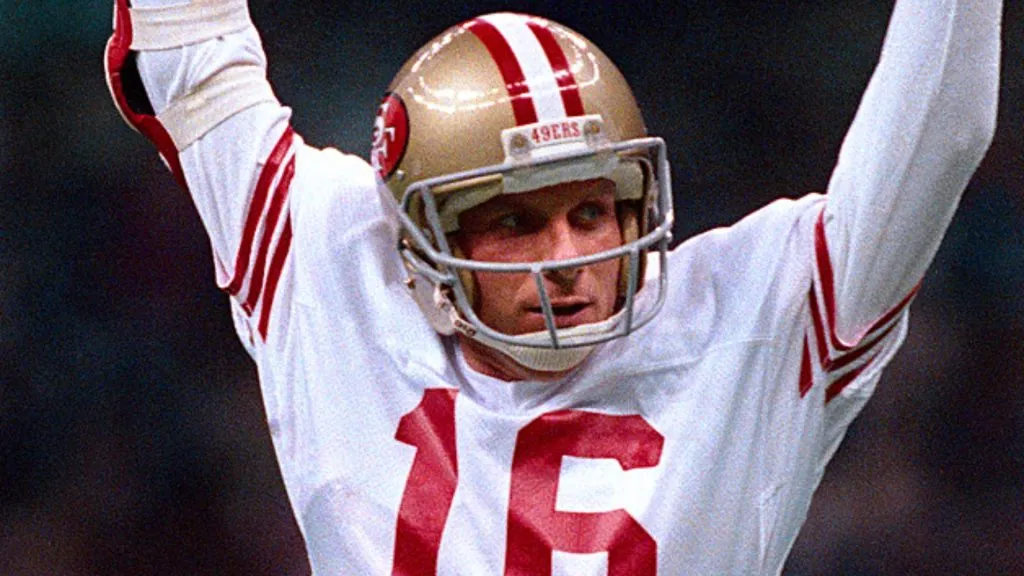
Joe Montana (Source: @JamesALight)
Joe Montana’s cool and calculated style earned him the nickname “Joe Cool”, leading the 49ers to four Super Bowl titles in the 1980s. His masterful command of the offense and clutch performances in critical moments helped establish San Francisco’s dynasty.
His ability to perform under pressure, including numerous game-winning drives, set a new standard for quarterback excellence. His legacy endures as one of the greatest to ever play the position and the defining face of 49ers football.
Seattle Seahawks – Russell Wilson
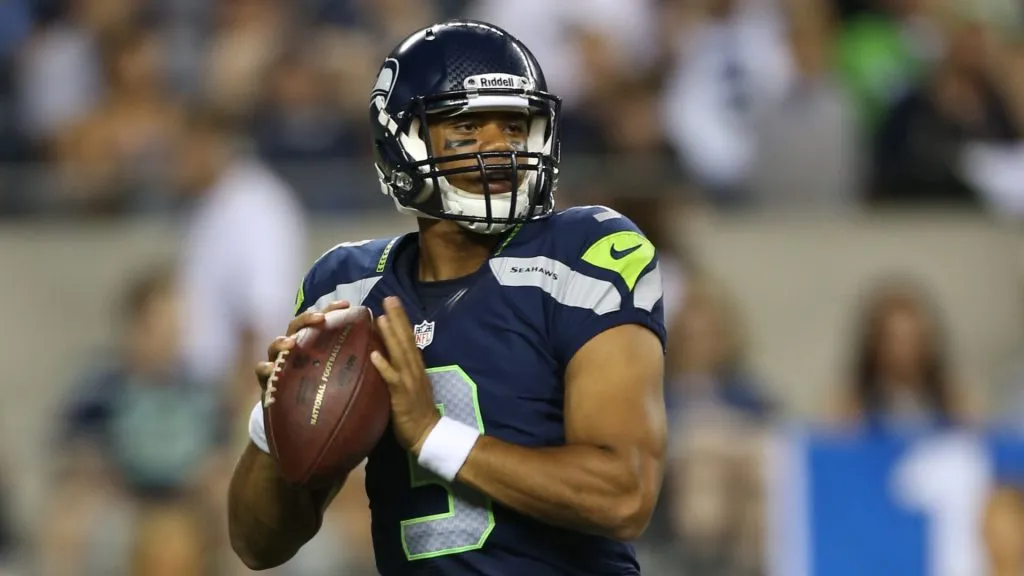
Quarterback Russell Wilson #3 of the Seattle Seahawks looks to pass against the Tennessee Titans at CenturyLink Field on August 11, 2012. (Source: Otto Greule Jr/Getty Images)
Russell Wilson brought a unique blend of mobility, intelligence, and leadership to Seattle, guiding the Seahawks to their first Super Bowl victory in 2013. Known for extending plays with his legs and delivering in clutch moments, he became the face of a dynamic Seahawks era.
His ability to stay calm under pressure and execute precise throws has made him one of the league’s most consistent quarterbacks. His leadership and competitive spirit helped maintain Seattle’s status as a perennial contender.
Tampa Bay Buccaneers – Brad Johnson
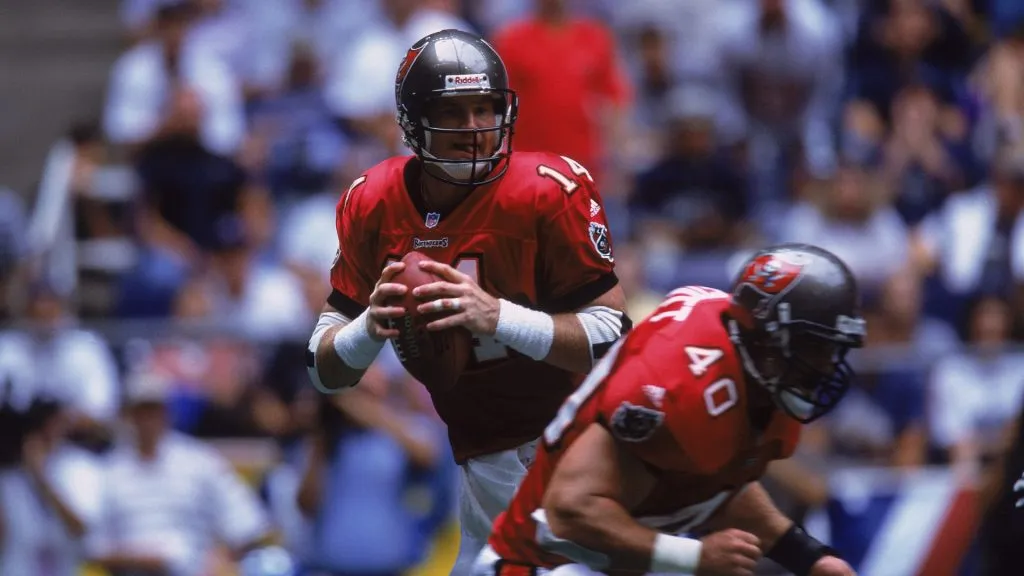
Quarterback Brad Johnson #14 of the Tampa Bay Buccaneers looking for someone down field to throw the ball to with Mike Alstott #40 blocking for him game in 2001. (Source: Ronald Martinez /Allsport)
Brad Johnson’s steady hand was key to the Buccaneers’ breakthrough, guiding Tampa Bay to its first Super Bowl title in 2002. Known for efficient game management rather than flashy play, he brought veteran leadership to a defense-heavy team.
His ability to protect the football and make timely plays complemented one of the NFL’s best defenses, helping the Bucs capture the franchise’s defining moment. His role as a reliable field general is still fondly remembered in Tampa Bay history.
Washington Commanders – Sammy Baugh
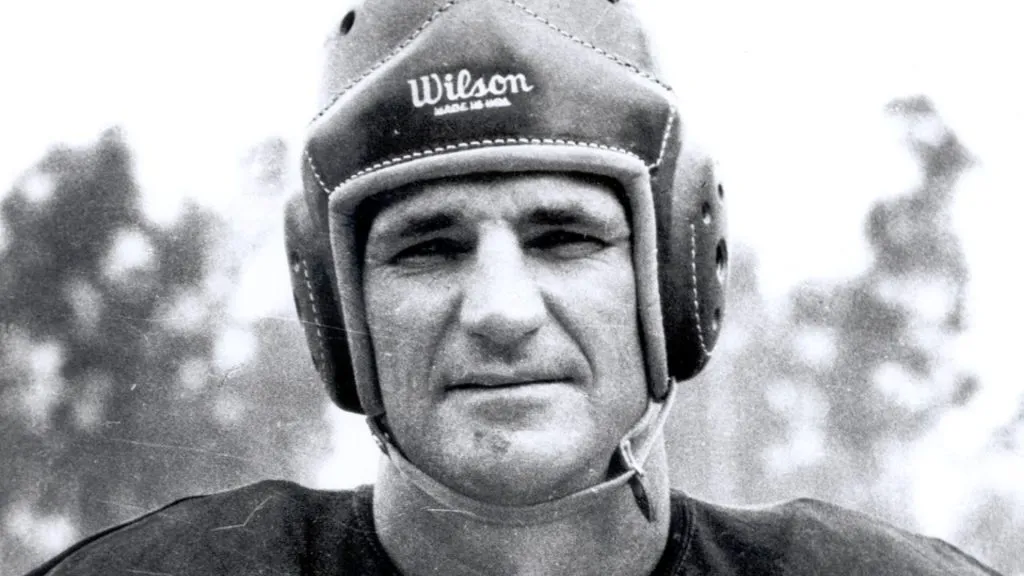
Sammy Baugh (Source: @Commanders)
Sammy Baugh was a football pioneer, instrumental in popularizing the forward pass in the NFL’s early years. Playing from 1937 to 1952, he excelled as a quarterback, defensive back, and punter, showcasing versatility rarely seen in today’s specialized game.
His innovations helped transform the Washington franchise into a powerhouse, and his passing acumen set the foundation for modern quarterback play. His impact on football strategy and history is profound, making him a true legend of the game.
Pittsburgh Steelers – Ben Roethlisberger
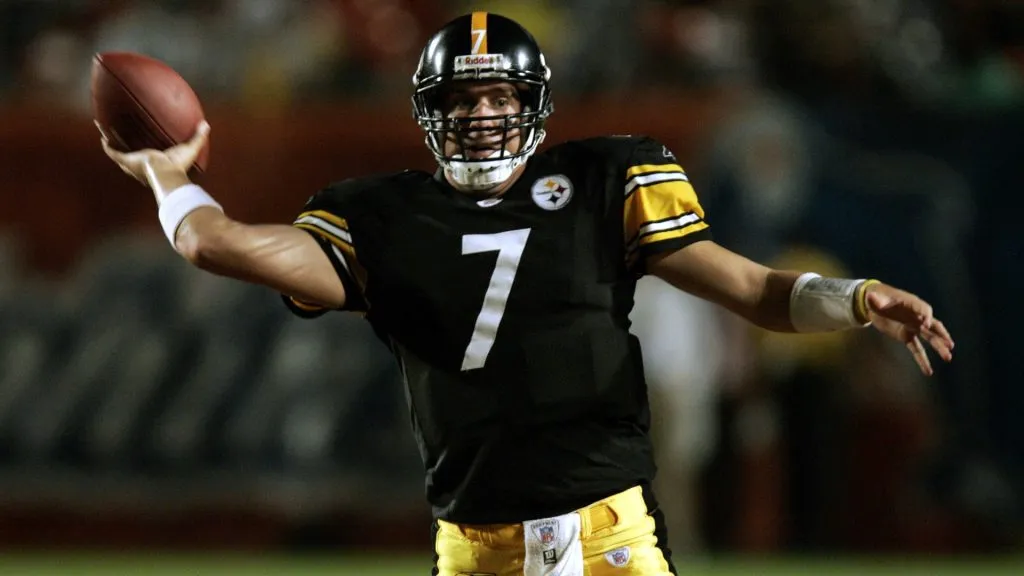
Quarterback Ben Roethlisberger #7 of the Pittsburgh Steelers goes back to pass against the Miami Dolphins at Pro Player Stadium September 26, 2004. (Source: Eliot J. Schechter/Getty Images)
Ben Roethlisberger defined an era of Steelers football with toughness, grit, and clutch performances. From his rookie season in 2004 through 2021, Big Ben led Pittsburgh to two Super Bowl championships and became the franchise’s all-time leader in passing yards and touchdowns.
Known for his ability to extend plays and thrive under pressure, his physical style and fearless attitude made him a fan favorite and a cornerstone of one of the NFL’s most storied franchises. His leadership helped maintain the Steelers’ reputation for hard-nosed, championship-caliber football.
Minnesota Vikings – Fran Tarkenton
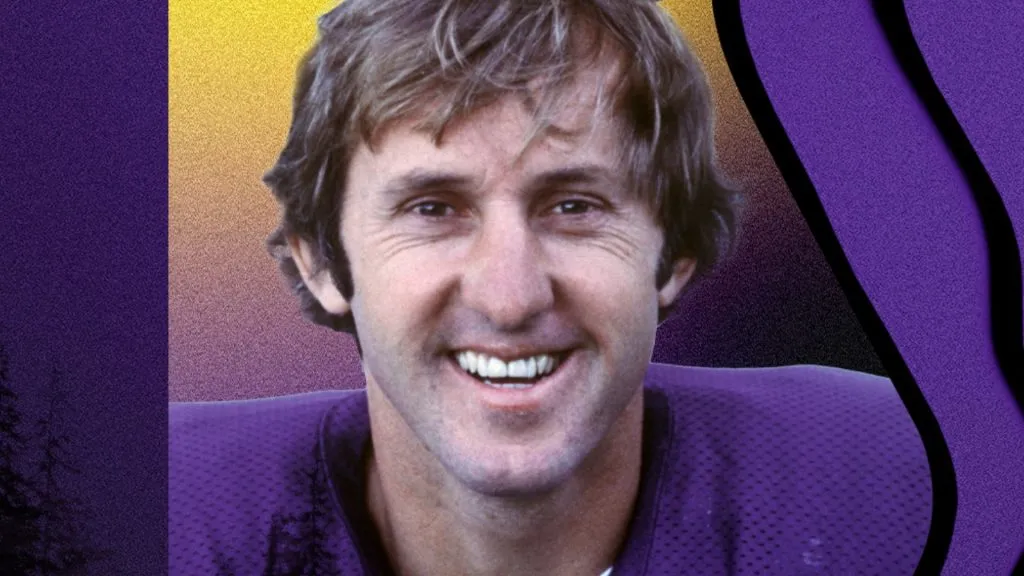
Fran Tarkenton (Source: @Vikings)
Fran Tarkenton revolutionized quarterback play with his improvisational skills and mobility during the 1960s and ’70s. Leading the Vikings to three Super Bowl appearances, he was known for his elusiveness and ability to make plays on the move, challenging traditional pocket passing norms.
His creativity extended the Vikings’ offense and made him one of the era’s most exciting players to watch. He retired with multiple franchise records and was later inducted into the Hall of Fame, solidifying his legacy as Minnesota’s greatest quarterback.