
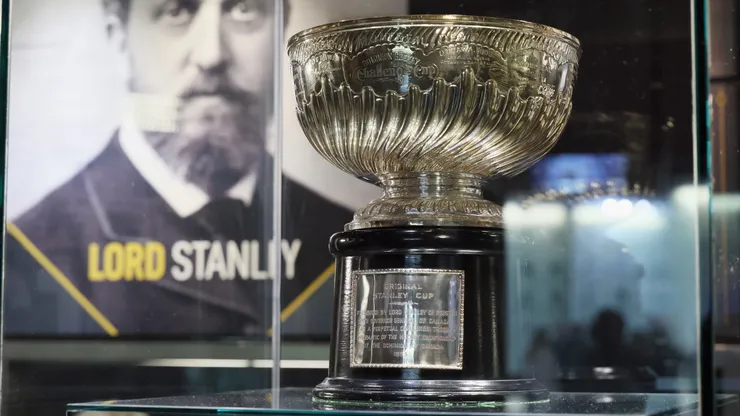
Winning the Stanley Cup isn’t just an achievement—it’s an odyssey. Since 1893, this trophy has been hockey’s holy grail, passed down by legends. Every year, teams battle for a chance to etch their names in history, but only the toughest survive the ultimate test.
Glory isn’t given, it’s earned. The NHL’s brutal season leads to playoffs where the real war begins. Best-of-seven series push players to their limits, testing endurance, skill, and mental strength. One mistake can end a dream, making every game a battle for survival.
Speed, strategy and sacrifice define champions. From impossible saves to overtime magic, legendary moments shape the path to victory. Only those who blend talent with relentless determination make it to the top and lift hockey’s most coveted trophy.
History of the cup
The Stanley Cup was donated in 1892 by Lord Stanley of Preston, originally intended to honor the top amateur team in Canada. Its inception marked the beginning of a legacy that would soon captivate the hearts of millions.
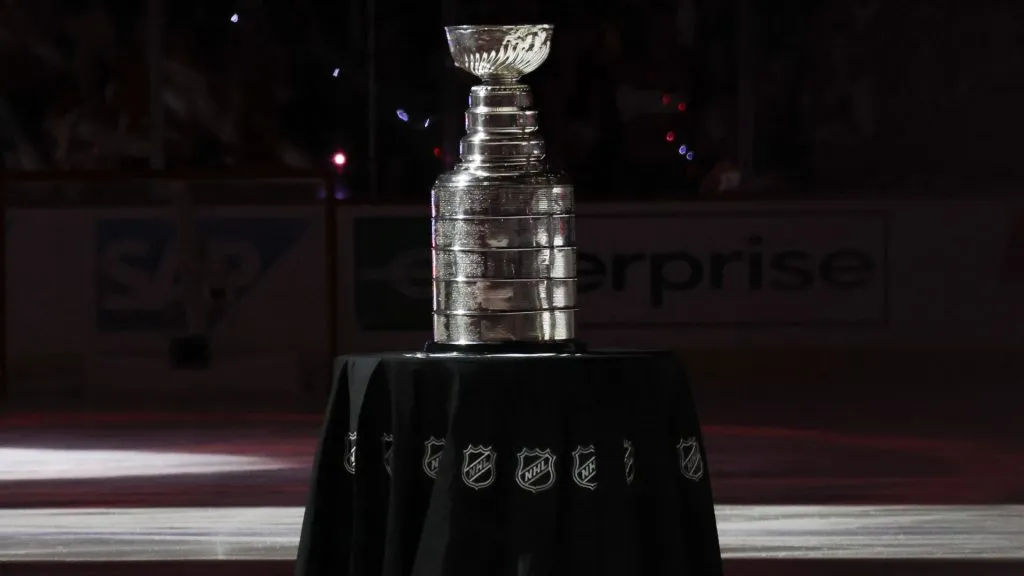
The Stanley Cup sits on the ice prior to Game One of the 2024 Stanley Cup Final between the Florida Panthers and the Edmonton Oilers. (Source: Bruce Bennett/Getty Images)
The first awarding took place in 1893, and over time, it evolved into the ultimate prize in professional hockey. Iconic battles and unforgettable series helped mold its mystique, as the Cup transitioned from amateur roots to the pinnacle of NHL achievement.
Today, the Stanley Cup symbolizes perseverance, excellence and the indomitable spirit of competition. Its storied past continues to inspire both players and fans, cementing its place as the definitive reward for triumph in hockey.
Format
The road to the Stanley Cup is an intense and thrilling journey. Sixteen teams enter the playoffs, engaging in best-of-seven series where every game is a high-stakes battle, setting the stage for epic clashes and dramatic upsets.
This playoff format rewards teams based on their regular-season performance, with higher seeds theoretically enjoying an advantage over lower-ranked opponents. Yet, the unpredictable nature of hockey ensures that each round becomes a fierce contest of will and strategy.
Every series tests the teams’ physical endurance, strategic planning and mental fortitude. The structure of the playoffs turns each game into a do-or-die scenario, making the quest for the Cup a true test of a team’s character and resolve.
Engraving rules
Engraving names on the Stanley Cup is a hallowed tradition, reserved for those who have truly earned their place in hockey history. Specific criteria—such as playing a minimum number of games during the championship season—determine who gets immortalized on its surface.

Matthew Tkachuk #19 of the Florida Panthers lifts the Stanley Cup after Florida’s 2-1 victory against the Edmonton Oilers in Game Seven of the 2024 Stanley Cup Final. (Source: Carmen Mandato/Getty Images)
This meticulous process guarantees that every inscription is a tribute to the individual contributions and collective triumphs of the team. Coaches, players and key staff members all have the chance to have their names etched into this legendary trophy.
The rules for engraving not only preserve the Cup’s legacy but also reinforce the honor and responsibility of being a champion. Each engraved name serves as a permanent reminder of the passion, skill and sacrifices made on the path to glory.
Trophy traditions
The Stanley Cup is steeped in unique traditions that elevate it beyond a mere trophy. Iconic rituals, like sharing a celebratory drink with the Cup and its ceremonial travels across cities, enrich its lore and connect champions across generations.
Every tradition associated tells a story of triumph, camaraderie and the enduring spirit of the sport. The journey of the Cup, from locker rooms to community celebrations, weaves a narrative that resonates with fans and players alike.
These rituals capture the essence of what it means to win in hockey—a blend of passion, resilience, and unity. The traditions surrounding it not only honor its illustrious past but also enhance its role as a living symbol of hockey excellence.