
A handful of NHL single-season scoring runs rewrote expectations. Notable examples include Brett Hull’s 86-goal barrage in 1990–91 and Mario Lemieux’s 85-goal eruption in 1988–89, campaigns that became measuring sticks for goal scoring.
Some runs emerged in eras defined by fast-paced play, wide-open ice and stars capable of sustaining staggering shot totals. In those seasons, goals arrived in clusters, hat-tricks piled up and the league witnessed production far beyond the norm.
These record-setting pushes didn’t happen in isolation; they reflected shifting tactics, explosive forward lines, and players who turned opportunity into history. Each campaign carved a new benchmark, setting the stage for the numbers explored ahead.
Who has scored the most goals in a single NHL season?
When the 1981-82 regular season concluded, no list of NHL “single-season goal scorers” existed that could rival it. Wayne Gretzky, playing for the Edmonton Oilers, had netted 92 goals — a total so far ahead of its time that, more than four decades later, it remains untouched.
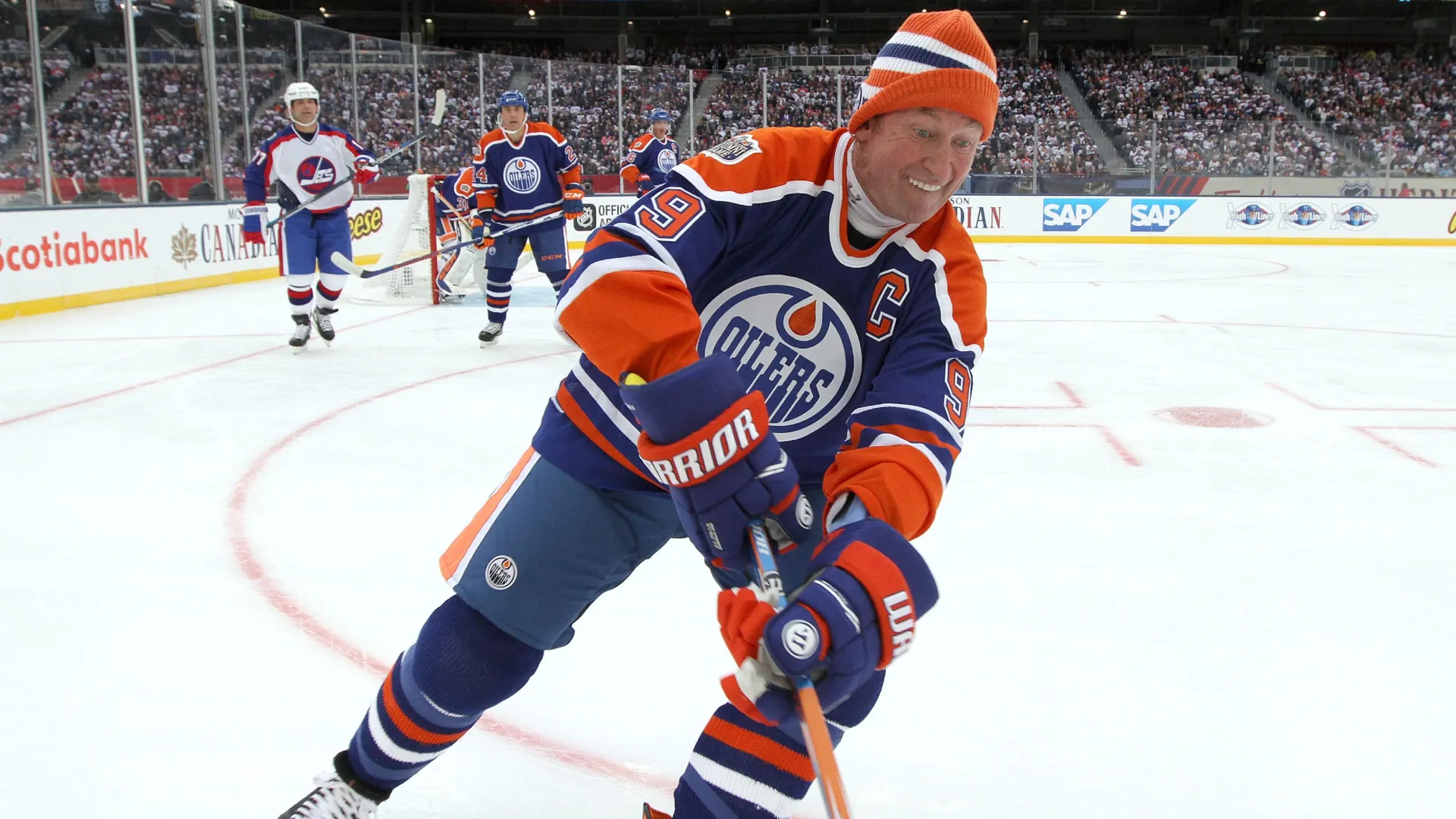
Wayne Gretzky #99 of the Edmonton Oilers in 2016. (Source: Jason Halstead /Getty Images)
Behind the sheer number lies another layer of dominance: He needed approximately 369 shots to reach those 92 goals, translating to a staggering accuracy rate of about 24.9%. Meanwhile, the 1981-82 campaign featured 10 games with three or more goals, combining efficient finishing with consistency game after game.
In a sport where defensive systems, goaltending, and physical wear can derail even the greatest shooters, that season stands as a benchmark — not just for raw output, but for what a near-perfect combination of volume and precision can accomplish.
All the players with the most goals scored in one season
Wayne Gretzky, 92 goals | 1981-82 season
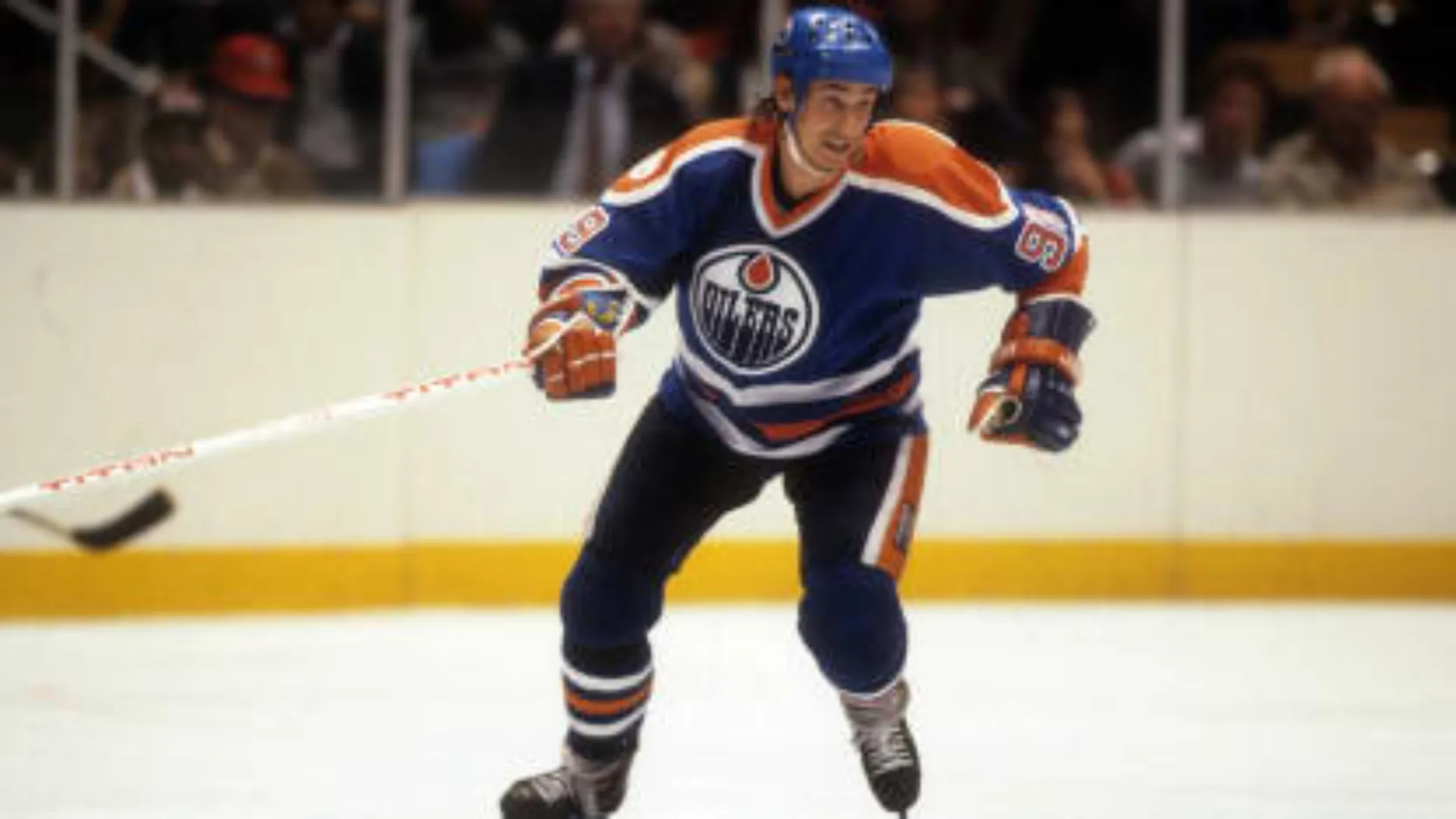
Wayne Gretzky (Source: NHL)
In the 1981-82 season, Wayne Gretzky didn’t just break the goal-scoring record; he obliterated it with an offensive display of dominance never before witnessed. The Edmonton Oilers‘ Number 99 didn’t just set a new milestone; he redefined it completely.
Finishing the campaign with an astounding 92 goals, he set a benchmark that, more than four decades later, is widely considered one of the most unbreakable records in all of professional sports.
He achieved this feat in just 80 games, showcasing a scoring pace so relentless that he eclipsed the previous mark of 76 goals by mid-February, with a significant portion of the season still to play.
This season not only confirmed his rise as the best player on the planet but also solidified the high-octane, freewheeling style that would define the great Edmonton teams.
Wayne Gretzky, 87 goals | 1983-84 season
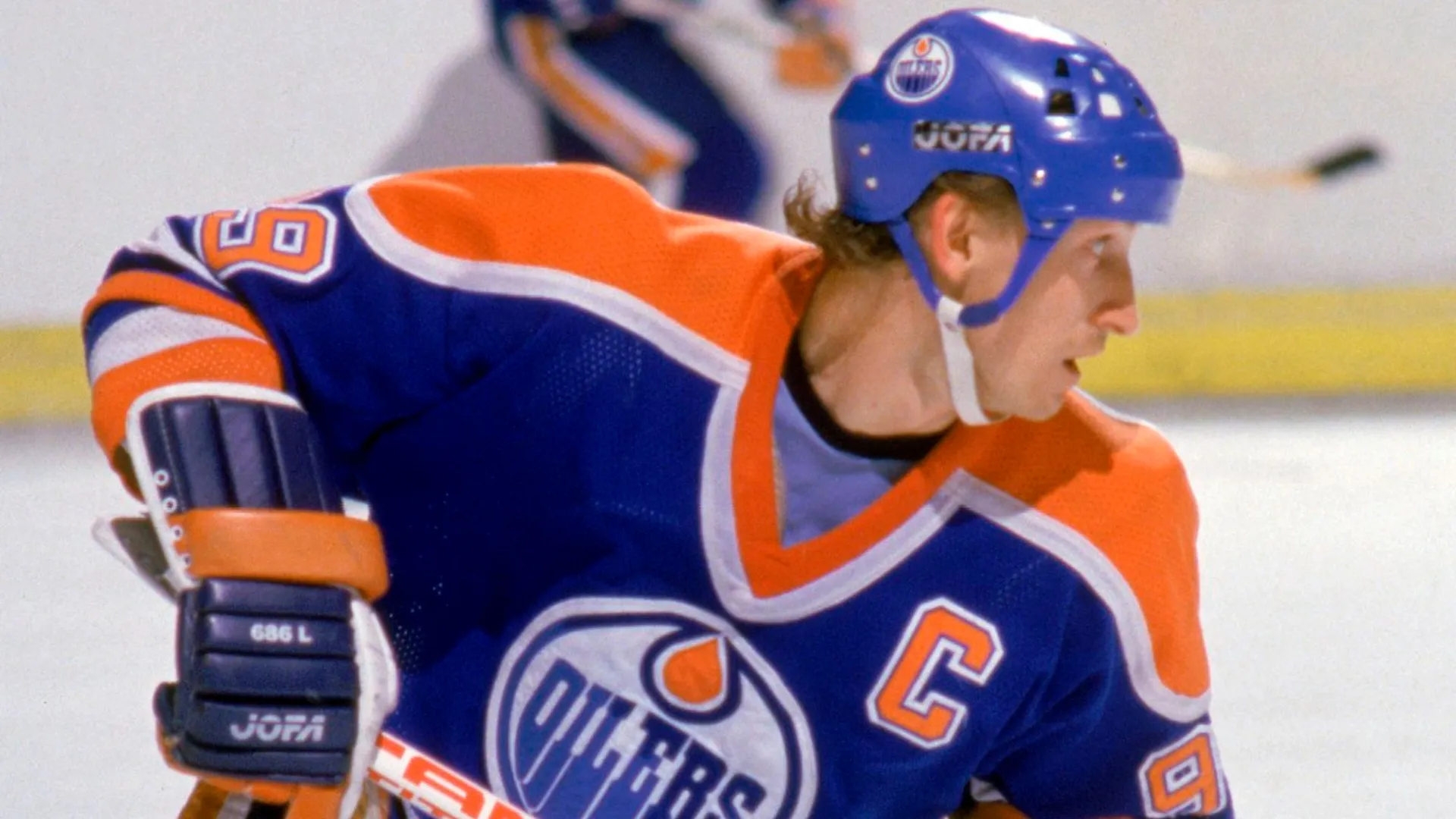
Wayne Gretzky (Source: Edmonton Oilers)
By the 1983-84 season, the question was no longer if Wayne Gretzky would dominate the league, but by how much. Two years after his stratospheric 92-goal record, ‘The Great One’ once again flirted with the century mark, finishing the campaign with an astonishing 87 goals in just 74 games.
What makes this run especially memorable is that it was part of one of the most spectacular individual seasons in hockey history: he notched a record 51-game consecutive point streak (featuring 61 goals and 92 assists) and, in the process, led his Oilers to their very first Stanley Cup.
This season reaffirmed that his predatory instinct in front of the net was not a flash in the pan but a constant, culminating in the perfect fusion of record-setting individual performance and collective glory. Moreover, his goals-per-game average of 1.18 this season remains the highest for any player with 50 or more goals in a single campaign.
Brett Hull, 86 goals | 1990-91 season
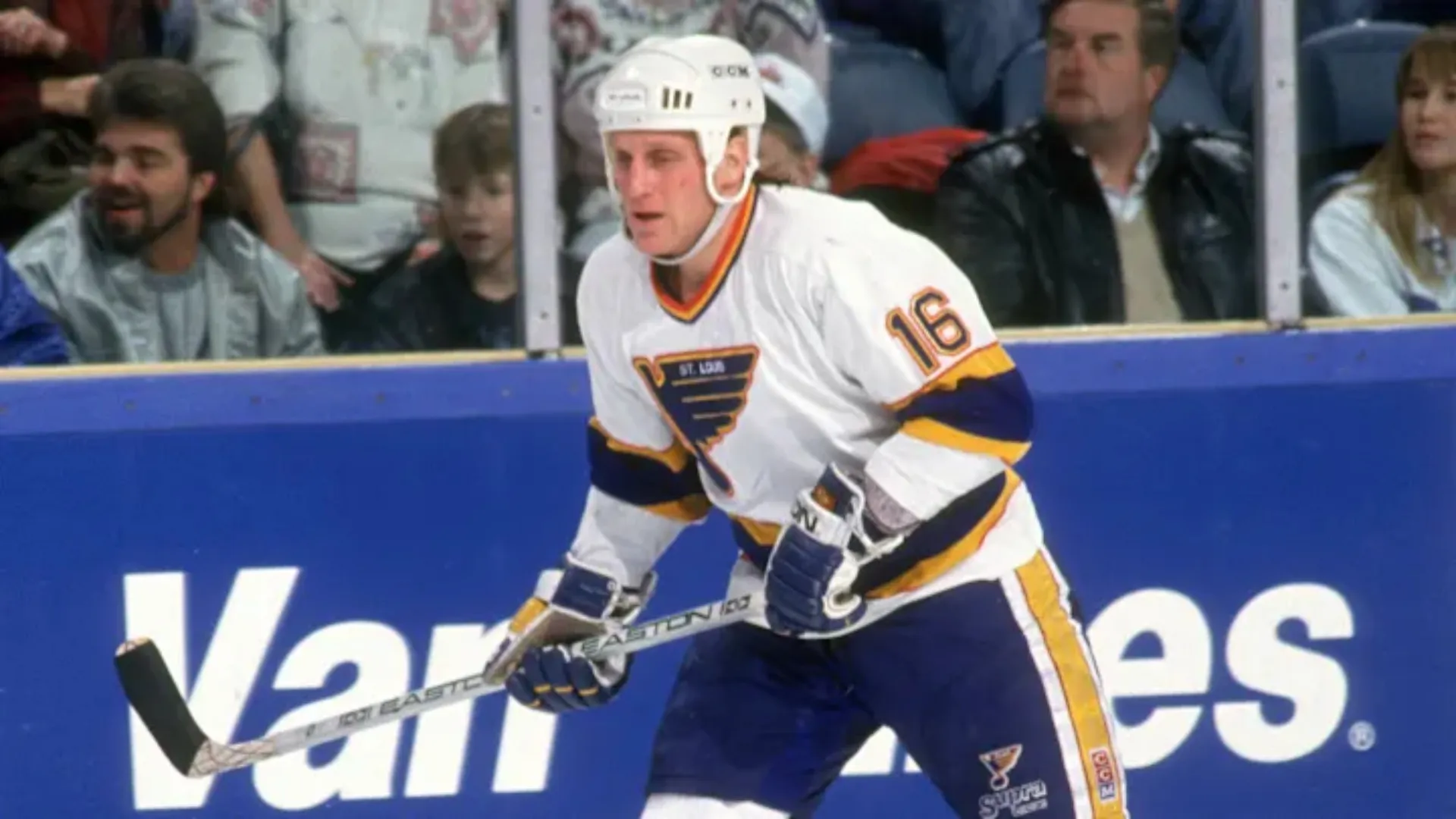
Brett Hull (Source: Bleedin’ Blue)
In an era dominated by the giants of Edmonton and Pittsburgh, Brett Hull of the St. Louis Blues rose to prominence in the 1990-91 season with a devastating offensive arsenal, reaching a magnificent total of 86 goals.
What is especially notable about ‘Golden Brett’s’ achievement is that he accomplished it without being surrounded by the same generational talent that benefited others on this list. His uncanny ability to find impossible angles and his sledgehammer shot established him as the league’s most lethal pure scorer.
He went on to win both the Hart Trophy and the Lady Byng Trophy, proving that deadly efficiency was not at odds with sportsmanship. His scoring tear was so impressive that he finished 35 goals ahead of the league’s second-highest scorer, the widest margin in NHL history. A pure power feat that still resonates in St. Louis as an almost unattainable franchise highlight.
Mario Lemieux, 85 goals | 1988-89 season
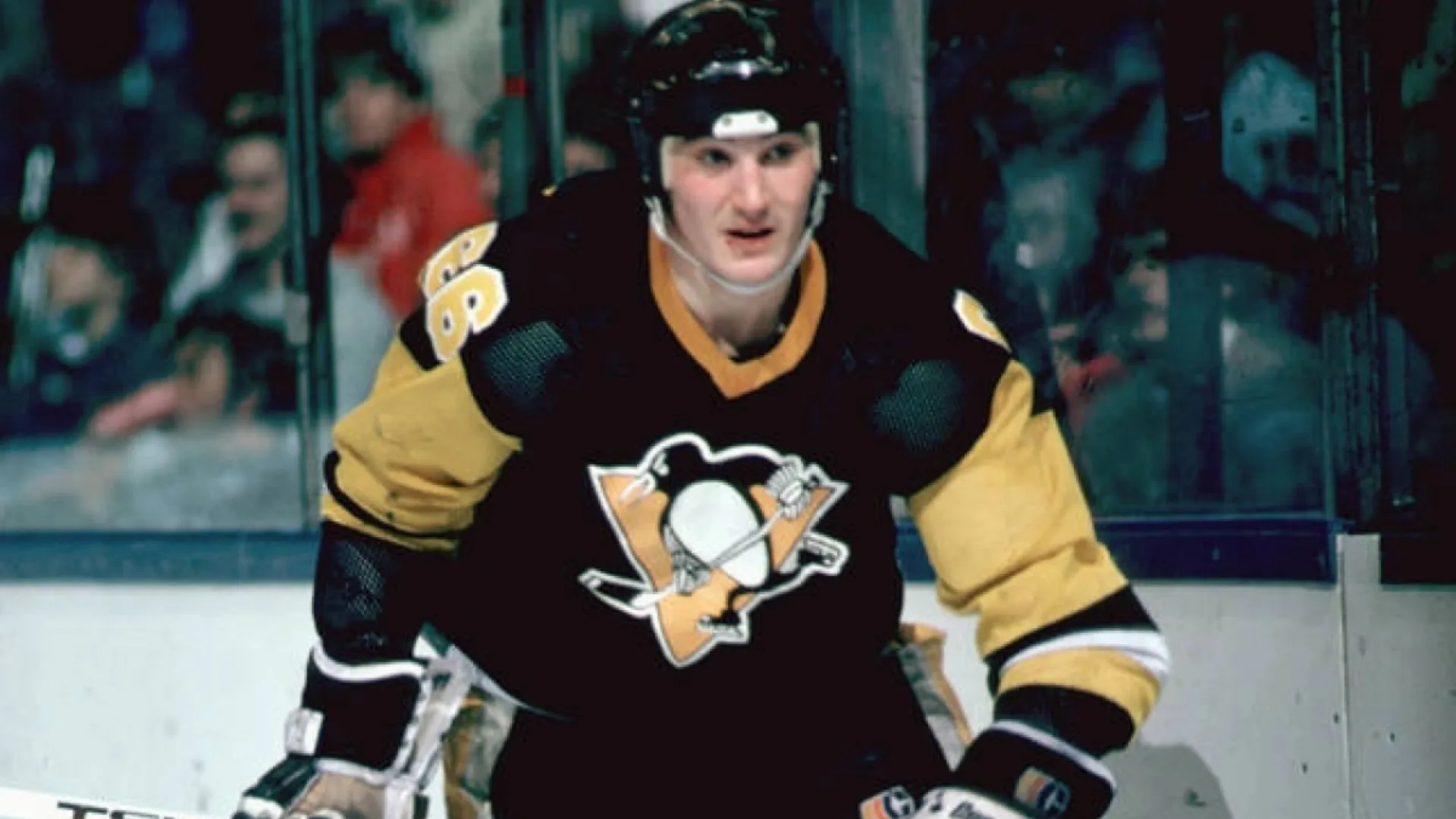
Mario Lemieux (Source: Not in Hall of Fame)
Mario Lemieux‘s 1988-89 campaign with the Pittsburgh Penguins stands as a testament to the sheer mastery and massive talent of ‘Le Magnifique’. With 85 goals and 114 assists, he tallied 199 points, coming just one point shy of joining Gretzky in the exclusive 200-point club.
Beyond the goal total, what immortalized this season was one of the most astonishing individual performances in sports history: on New Year’s Eve 1988, against the New Jersey Devils, he became the only player in NHL history to score five goals five different ways in a single game.
It was a season where he proved he could carry the team on his back with an unmatched combination of size, speed, and vision, significantly challenging Gretzky’s reign as the game’s most dominant offensive force.
Alexander Mogilny, 76 goals | 1992-93 season
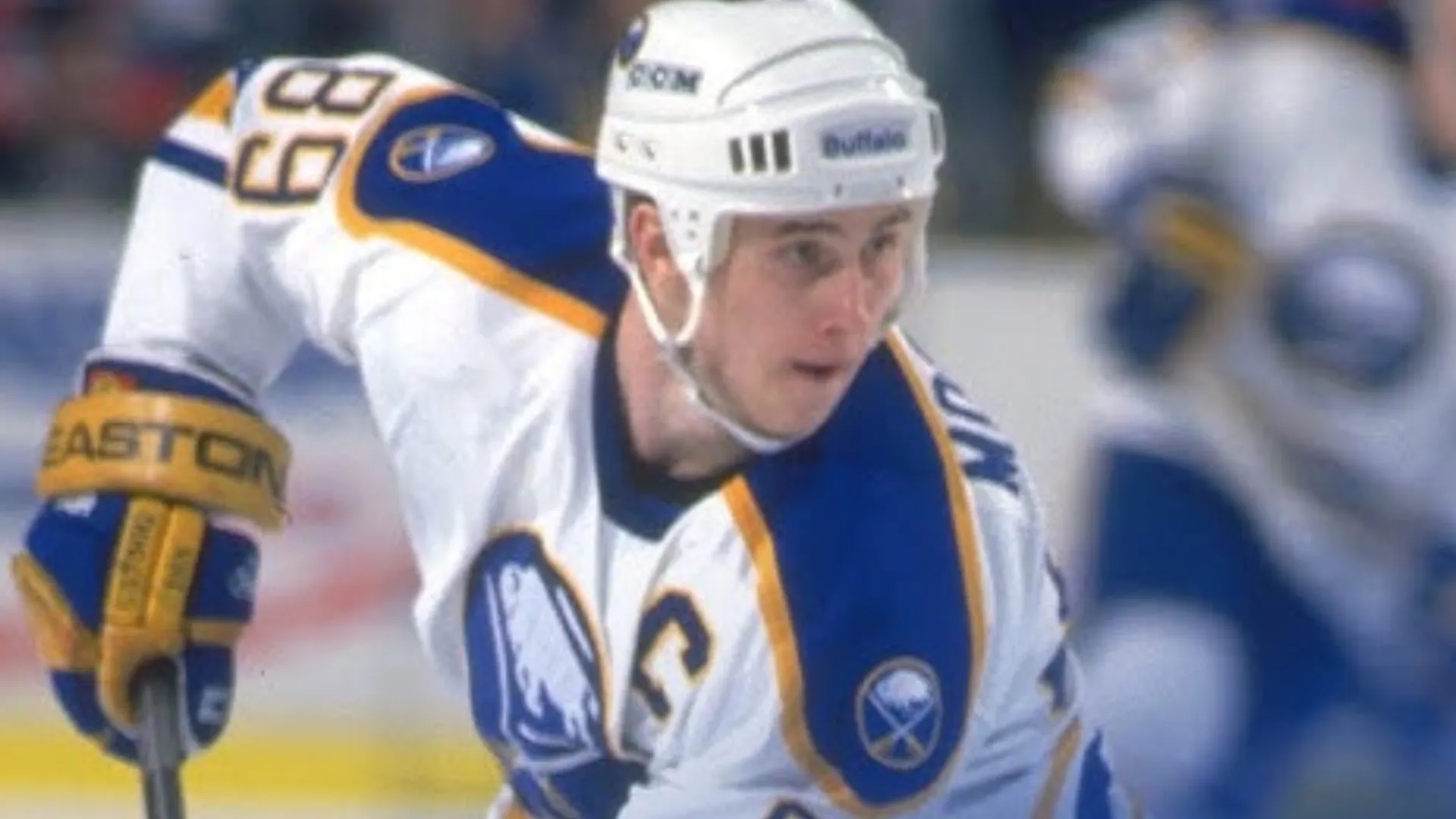
Alexander Mogilny (Source: Buffalo Sabres)
Alexander Mogilny‘s story is a unique one, marked by his daring defection from the Soviet Union. In the 1992-93 season, this lightning-quick Russian winger, playing for the Buffalo Sabres, unleashed his full sniping potential, scoring 76 goals to share the league lead with rookie Teemu Selanne.
This total not only set a franchise record for the Sabres but also became the single-season best goal mark for a player of Soviet/Russian origin. His success was largely fueled by the explosive chemistry he developed with linemate Pat LaFontaine.
He cemented his place as the face of a new era of international talent in the NHL, proving that his decision to seek athletic freedom was worth every effort. His season was, at the time, the fifth-highest goal-scoring season in league history.
Phil Esposito, 76 goals | 1970-71 season
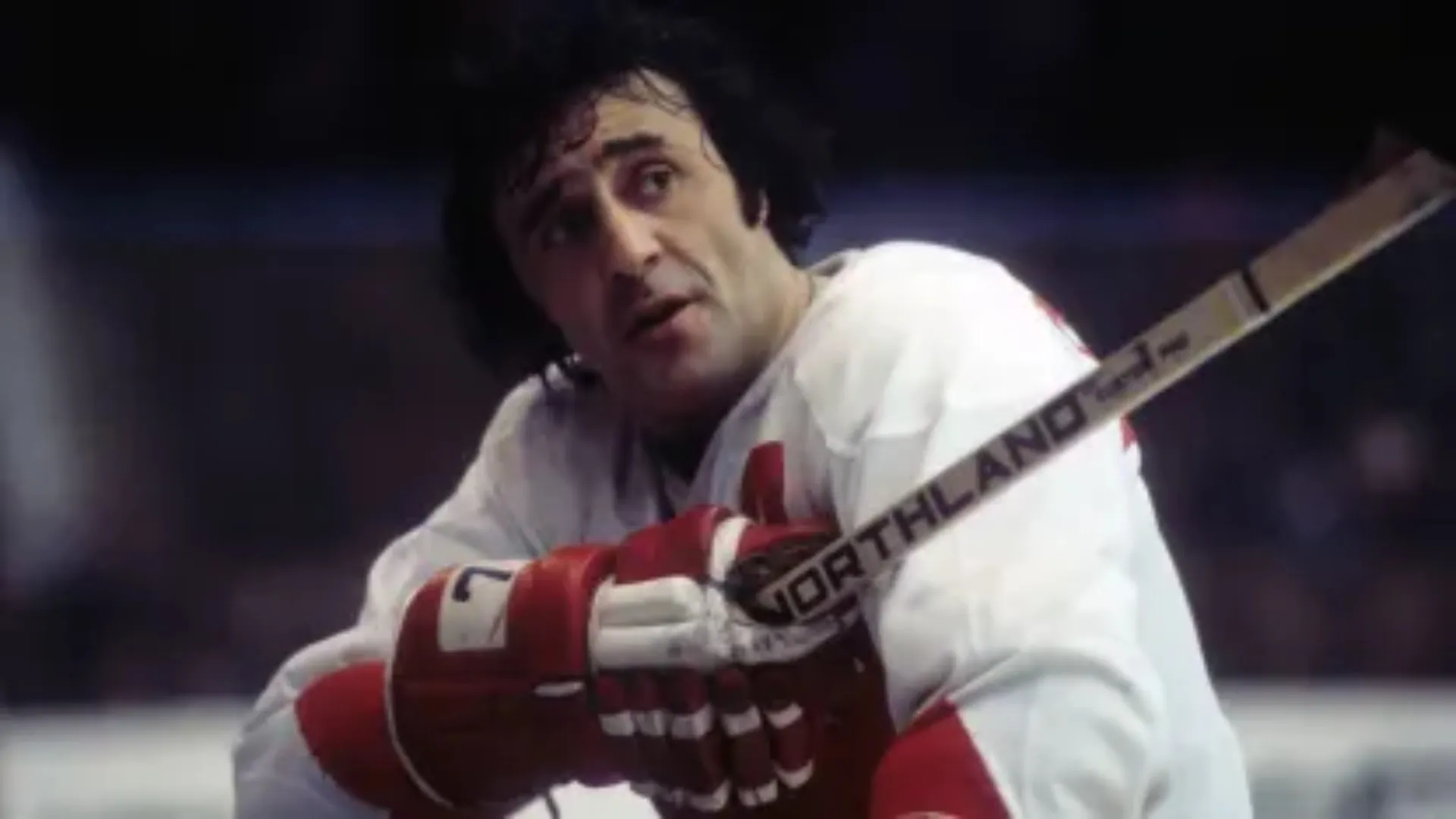
Phil Esposito (Source: NHL)
Before the arrival of “The Great One”, there was Phil Esposito. ‘Espo’s’ 1970-71 season with the Boston Bruins was not merely a scoring streak; it was a seismic shift in NHL statistics.
With 76 goals, he shattered Bobby Hull’s previous record (58) by an unprecedented margin. This big, tenacious center specialized in ruthlessly working the area in front of the net, a zone he affectionately dubbed “my office”.
His magical season is remembered not just for the goals but also for the volume of his attack: his 550 shots on goal that season is still the NHL record, a figure that illustrates his shoot-at-will mentality.
Teemu Selanne, 76 goals | 1992-93 season
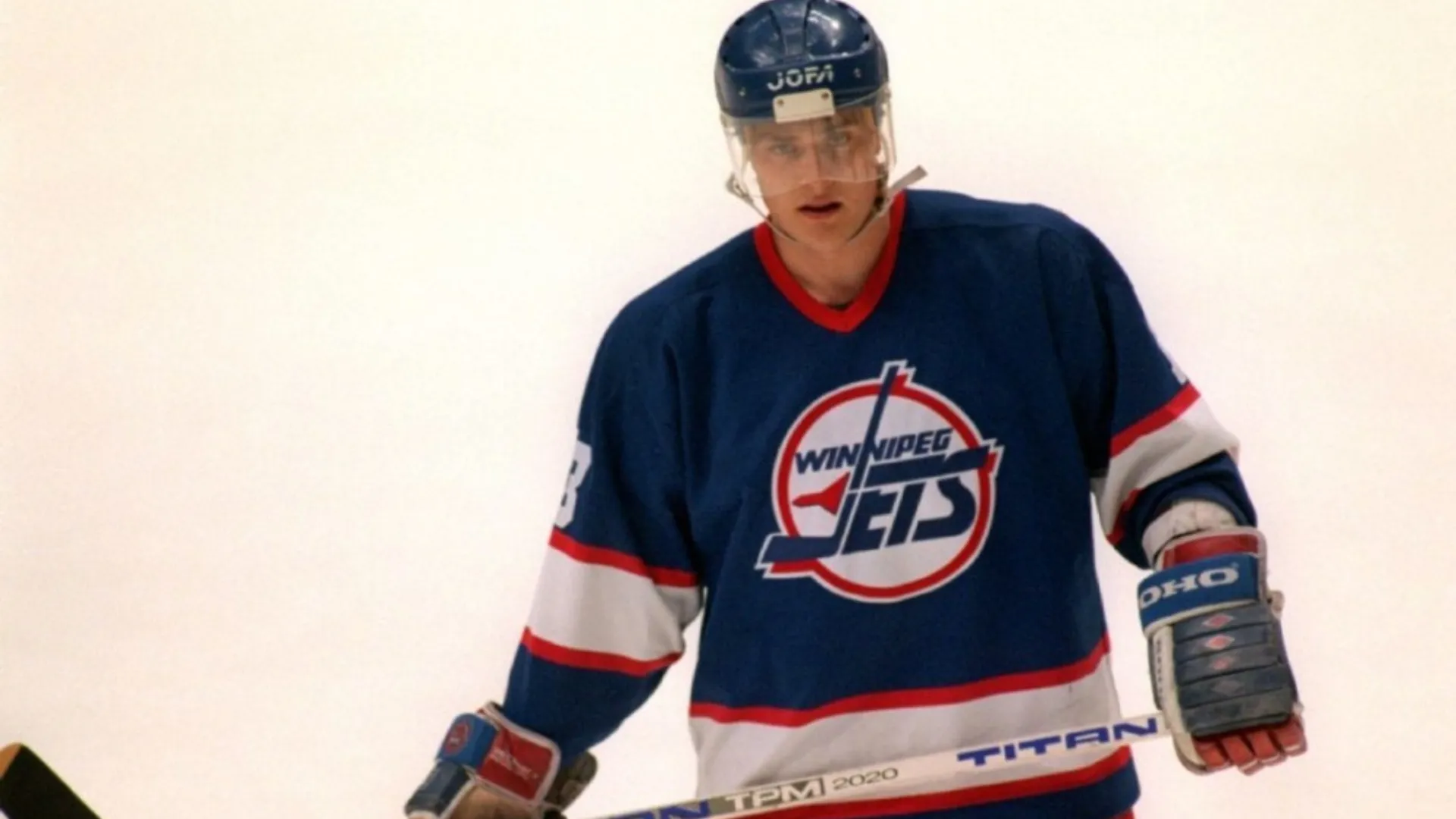
Teemu Selanne (Source: The Hockey Writers)
Imagine entering the league and not just breaking a rookie record but tying for the entire NHL goal-scoring lead. That’s exactly what Teemu Selanne did for the Winnipeg Jets in his debut 1992-93 season.
The Finnish winger, nicknamed the ‘Finnish Flash’ for his electrifying speed, netted an unbelievable 76 goals, blowing past Mike Bossy’s rookie record (53) by 23 goals—an astonishing margin that many believe will never be equaled.
His season was highlighted by an iconic moment: upon breaking Bossy’s mark, Selanne tossed his glove into the air and simulated shooting it with his stick, a gesture of pure joy and release. Sharing the 76-goal achievement with Alexander Mogilny that season, he proved that speed and instinct could dominate the game right from day one.