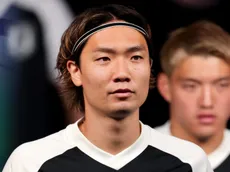
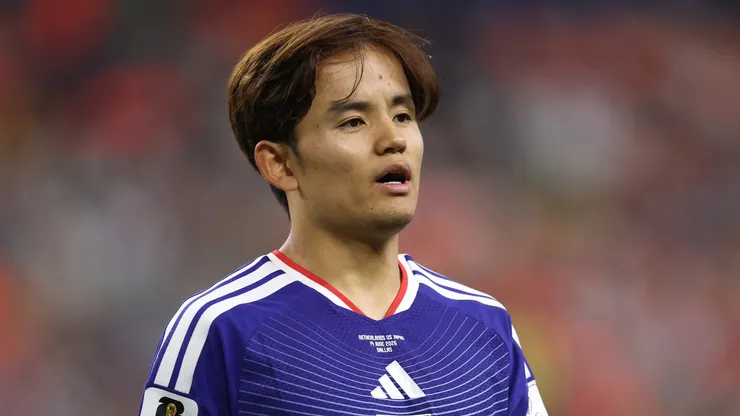
After earning 5 points in 3 matches, Japan finished second in the Group F standings and will now face none other than Brazil. The Blue Samurai will begin this match with several changes, most notably Takefusa Kubo starting on the bench. Brazil will have absences of their own though, with Raphinha missing the game whereas Neymar starts on the bench.
Kubo suffered a meniscus tear in his left knee during his national team’s 2026 World Cup debut against the Netherlands. Hajime Moriyasu told the press that, although he is recovering well, the winger will not be available from the beginning for Japan vs. Brazil at Houston Stadium.
“He’s still only doing individual running [and] training, so he’s not going to play in the match against Brazil,” the manager said via ESPN.com. “We really wish for him to recover swiftly, and he wishes it too.”
Japan, the underdogs
Japan’s current FIFA ranking places them well below their opponent. Is that enough to rule out their chances? Definitely not. In fact, the Blue Samurai are aiming to shock Brazil and pull off an upset in this tournament.
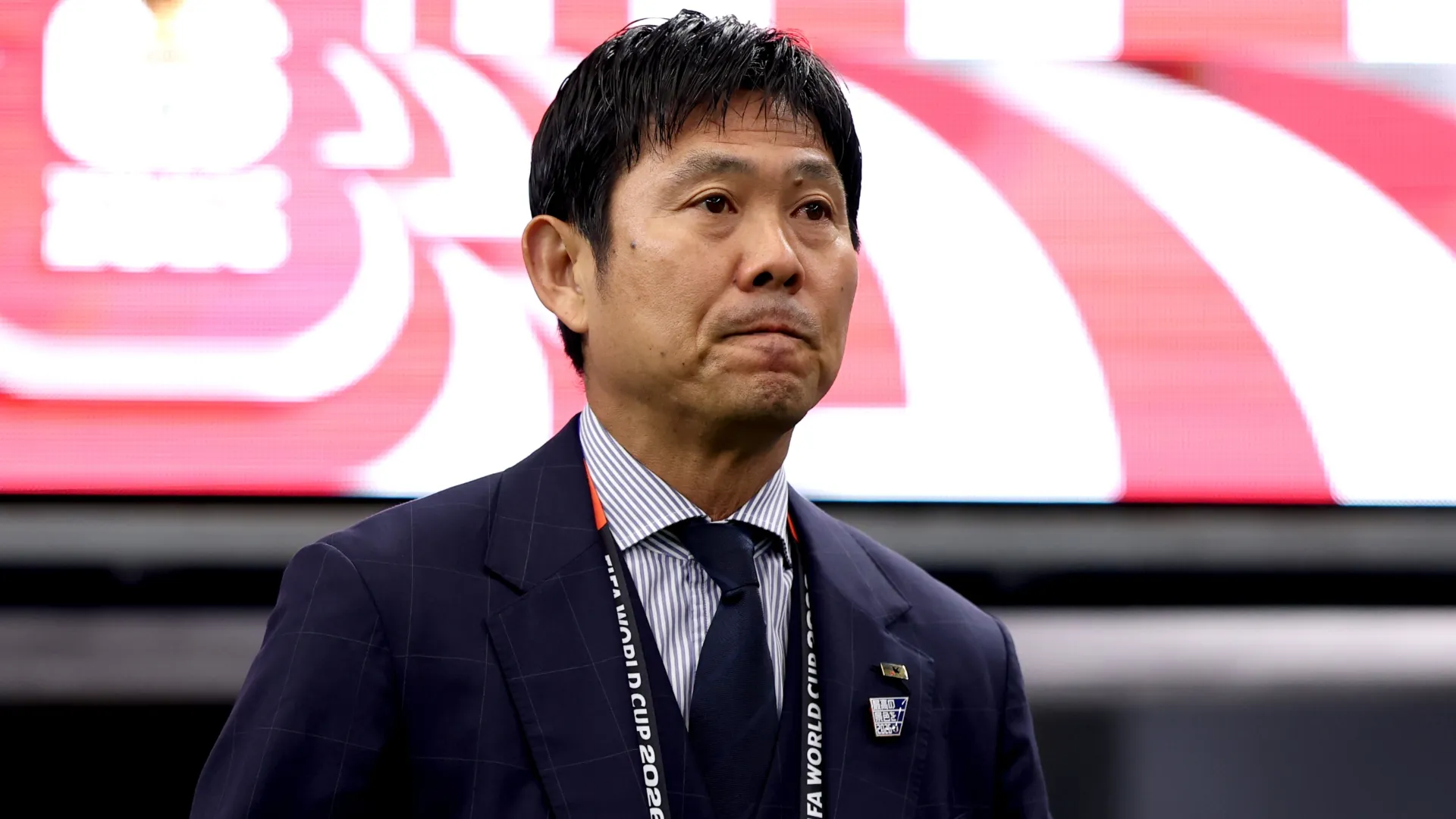
Hajime Moriyasu, Head Coach of Japan, is seen before the FIFA World Cup 2026 Group F match.
“In the world, Brazil are ranked at the top while Japan are not ranked that high — that is the way it is,” Moriyasu said ahead of the game that will determine whether Brazil or Japan make the Round of 16. “We are aiming to win the World Cup but we haven’t been at that level before. Of course, some people look at us and feel we’ve been doing well.“

He also added: “Brazil are always a leading team. They have a very good chance of winning. Some people will say Japan are underdogs. We will play with that in mind. We will respect the opponents but like last year [in the friendly win] we weren’t given a chance to win. This possibility to win — we can change history.“
Japan’s offensive line
For the upcoming match against Brazil, and with Zion Suzuki as their goalkeeper, Japan will deploy a potent offensive lineup spearheaded by Ayase Ueda as the lone reference striker up front. To unlock the Brazilian defense, the Samurai Blue will rely heavily on a dynamic supporting trio: Daichi Kamada pulling the strings in the playmaker role, alongside the blistering pace and clinical movement of Daizen Maeda and Keito Nakamura on the flanks.
Japan’s starting lineup: Zion Suzuki; Shogo Taniguchi, Hiroki Ito, Takehiro Tomiyasu; Ritsu Doan (C), Daizen Maeda, Keito Nakamura, Junya Ito, Daichi Kamada, Kaishu Sano; Ayase Ueda.