The New York Mets are entering a pivotal phase of Spring Training with a spotlight firmly fixed on Bo Bichette, their marquee free-agent addition, as he begins work at third base.
A proven star arriving on a new team is always a storyline, but Bichette’s transition to a position he has never played at the major league level has drawn particular attention inside and outside the organization.
For the Mets, the move is more than a positional tweak. With manager Carlos Mendoza overseeing the adjustment and David Stearns executing a run-prevention-focused vision, Bichette’s adaptation could shape the infield’s identity in 2026.
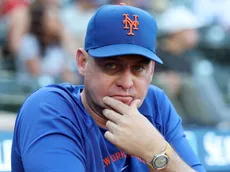
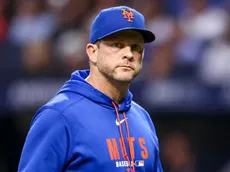
Speaking Monday on the New York Post’s “The Show” podcast, Mendoza offered a strong endorsement of what he has seen so far. “We’re looking at a guy that has played shortstop his whole career — watching him today moving around third, taking grounders, creating angles, and just the throws to first, I was telling him, ‘It looks like you’ve played here before,’” Mendoza said.
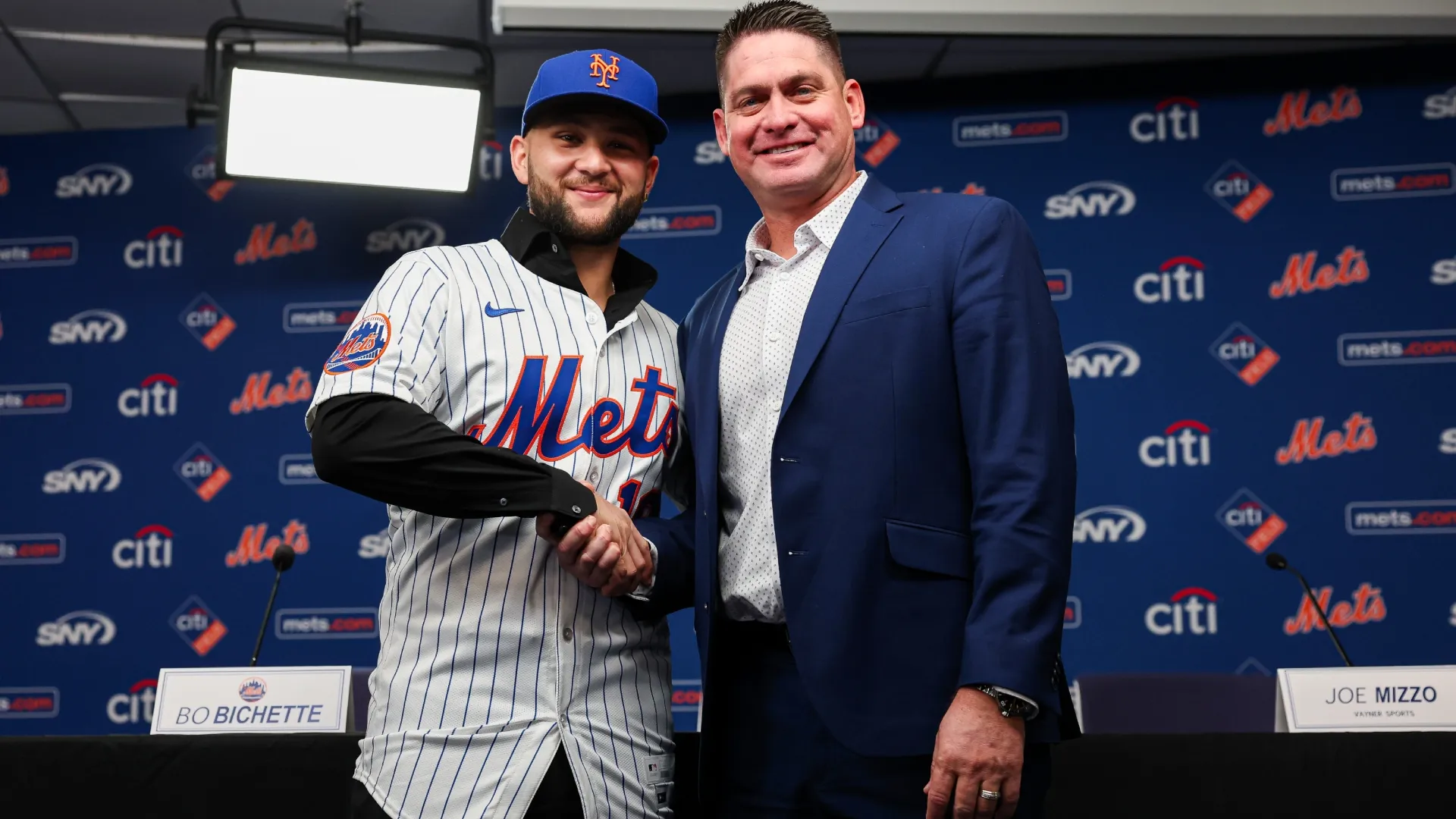
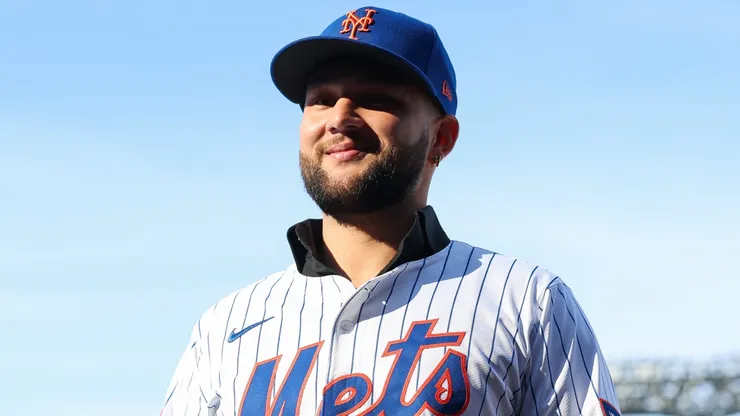
Bo Bichette #19 and Carlos Mendoza of the New York Mets pose for a photo during an introductory press conference. Ishika Samant/Getty Images)
Why Bichette’s defensive transition matters
Bichette’s ability to handle third base is central to the Mets’ broader defensive plan. Stearns has made it clear that improving run prevention was a priority this offseason, and shifting elite athletes with shortstop backgrounds into new infield roles is part of that strategy.

How the Mets are managing the risk
The Mets are fully aware that asking players to learn new positions carries inherent risk. “There’s no question we’re asking two guys to learn some new positions,” Stearns said last week, adding that learning curves and mistakes are expected.
SurveyHow confident are you in Bo Bichette’s move to third base?
How confident are you in Bo Bichette’s move to third base?
ALREADY VOTED 0 PEOPLE